

Яндекс.Метрика

Monday, April 28, 2025

Artificial Intelligence and Astronomy

Dear Astronomy Professor, I would like to propose conducting a special lab session or classroom activity at the end of this semester, based on the given manual, Artificial Intelligence and Astronomy: 
https://docs.google.com/document/d/1zVHaAWcS2MeZIZRj6sk6sRsx43AhkQVa3Faeu0sL1Tk/edit?usp=sharing

The lab combines the astronomy topic with practical work using free, popular public generative AI platforms for data and context analysis, image generation, and video creation. This interdisciplinary lab work would give students hands-on experience with technologies that are becoming essential in the modern world, while encouraging critical thinking and creativity. It fits within the Academic Freedom of Professors to introduce timely and relevant material. If you are interested, I would be happy to assist with its organization.

Friday, April 25, 2025

The WWII Anniversary Pack: Out Now!

A souvenir edition featuring 8 commemorative gifts
 ‌ ‌ ‌ ‌ ‌ ‌ ‌ ‌ ‌ ‌ ‌ ‌ ‌ 
 
History of War  
Friday 25 April 2025
View this email online
 
 
 Guide to the Solar System 
 
Commemorate the end of World War II with this souvenir edition anniversary pack from the makers of History of War.

This includes the special, "Defining Battles of World War II", 2 A2 posters, 4 postcards and an art card.

In this comprehensive look at the major engagements that shaped WWII you will witness the true horror and incredible heroism that defined the greatest clash of arms ever fought.

Or discover more...
 
 
Future Logo

© Future Publishing Limited. Reg No. 2008885 England. Quay House, The Ambury, Bath BA1 1UA.

This email is intended for alitealbum.dtvfvf@blogger.com

You are receiving this email because you opted in to hear about Future's other brands and services. To unsubscribe from Future Marketing emails or update your email preferences, please click here.

Privacy Policy | Cookies Policy | Terms and Conditions


Thursday, April 24, 2025

Get 40% Off Heroes of Space - Use Code: ASTRO40

Meet some of the people who have made space exploration possible
 ‌ ‌ ‌ ‌ ‌ ‌ ‌ ‌ ‌ ‌ ‌ ‌ ‌ 
 
Space  
Thursday 24 April 2025
View this email online


 Guide to the Solar System 
 

In Heroes of Space, you'll meet some of the people who have made space exploration possible. Some of them are easy to define as heroes: they took on exceptional challenges and some of them made the ultimate sacrifice. Others have more complex legacies borne out of World War II, the Cold War, and the Space Race.

Get 40% off this special from the All About Space team with our exclusive code ASTRO40


Or find your perfect read from our categories...


Future Logo

© Future Publishing Limited. Reg No. 2008885 England. Quay House, The Ambury, Bath BA1 1UA.

This email is intended for alitealbum.dtvfvf@blogger.com

You are receiving this email because you opted in to hear about Future's other brands and services. To unsubscribe from Future Marketing emails or update your email preferences, please click here.

Privacy Policy | Cookies Policy | Terms and Conditions


Monday, April 21, 2025

Trying to Get the Chatgpt AI to Generate Educational Quizzes in a Specific Format Designed for Upload to Blackboard

 Znamenskiy, Vasiliy. “Trying to Get the Chatgpt AI to Generate Educational Quizzes in a Specific Format Designed for Upload to Blackboard”. Presented at the 2nd Annual BMCC Assessment Day Colloquium Student Engagement Strategies Leading to Increased Student Learning and Success Friday, May 12, 2023, Borough of Manhattan Community College, The City University of New York, New York, May 12, 2023. https://doi.org/10.5281/zenodo.15255417.

Friday, April 18, 2025

🚀 Potential Biosignatures Detected, Black Hole Jets, Local Bubble, And More...

Universe Today Newsletter Header


Is There Life on an Alien Planet? Fresh Findings Revive the Debate

Astronomers are reporting the discovery of a chemical in the atmosphere of exoplanet K2-18b called dimethyl disulfide. This is potentially exciting because it's generated by marine phytoplankton here on Earth. The discovery was made using James Webb, and the researchers claim the detection is more reliable than previous measurements. The astronomical community is skeptical, however, and suggests there are non-biological ways this chemical could be produced.

Read the full story by Alan Boyle


🦄 If you enjoy what we do at Universe Today, join our Patreon Club! Here are just some of the perks you can get by subscribing:

  • I'll remove all ads on UniverseToday.com for life, even if you unsubscribe in future
  • You'll get ad-free versions of our videos, so you won't even have YouTube ads
  • Early access to interviews, which we now do in improved quality
  • A secret Patreon Email Newsletter
  • Access to Patreon-only AMA session once per month
  • Behind the scenes and other bonus content
  • Help us stay independent and support the team directly

Support Universe Today. Join the Club Now!


Cancelling Roman Telescope // Big Biosignatures Update // Spinning Universe

We've got more details about upcoming NASA cuts, the first evidence of life on an exoplanet? is the entire Universe spinning? how global warming could reduce room for satellites, and in our free Patreon edition of Space Bites+, a new way to search for life as we don't know it.


🎧 Subscribe to our podcasts:

  • Universe Today Podcast. Space news, interviews, Q&As, and exclusive content from Universe Today.
  • Astronomy Cast. Your weekly facts-based journey through the cosmos, which I co-host with astronomer Dr. Pamela Gay.

Upcoming Shows:
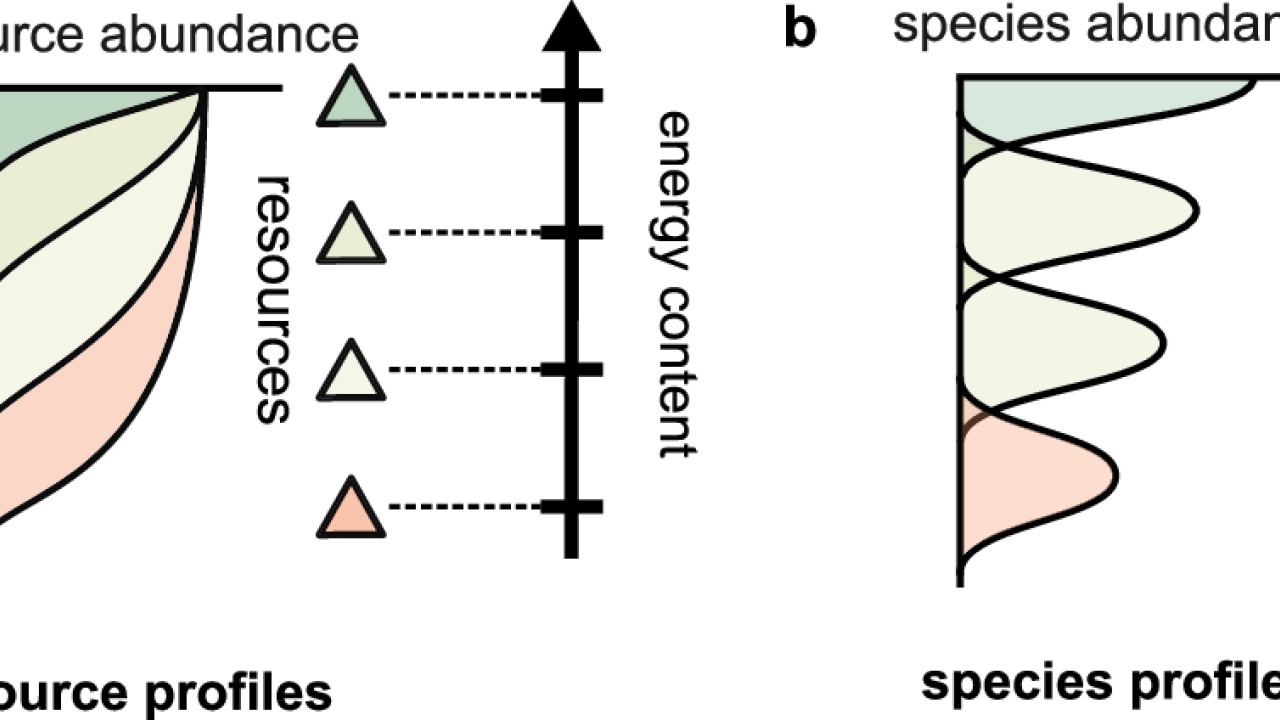

Researchers Propose a New Way to Search for Evidence of Life

Astrobiologists continue to struggle to find a single universal biosignature that could tell us if an exoplanet has life on it or not. Even if we could distinguish the chemicals of life from abiotic sources like volcanism, it still assumes that life will be similar to Earth-like life. A new paper proposes that missions search for "energy-ordered resource stratification," which only happens when both self-replication and ecological competition are present.

Read the full story by Mark Thompson


More Greenhouse Gases Means Less Room for Satellites

You might be surprised to learn that greenhouse gas emissions can have an effect on the satellite carrying capacity of low Earth orbit. As more CO2 and other gases are pumped into the atmosphere, they cause the upper atmosphere to shrink, reducing atmospheric drag on existing satellites. Junk and defunct satellites will stay around longer before re-entering the atmosphere and burning up. Researchers estimate that carrying capacity could be reduced by more than 50%.

Read the full story by Allen Versfeld


A New Technique to Find Hidden Black Holes

Thanks to JWST and other powerful observatories, astronomers are finding supermassive black holes earlier in the universe. The challenge is that actively feeding black holes will throw out a cloud of dust that obscures them from view. Now, researchers have developed a new technique that could reveal those hidden black holes. They've found that X-ray radiation emitted by infalling material heats the surrounding gas unusually high, providing a detectable signal.

Read the full story by Evan Gough


Getting To Mercury With NO Propellant

Solar sails aren't only good for getting to Mars and beyond. In fact, they can be more efficient when going towards the Sun. This new mission concept even suggests going to Mercury using a solar sail, providing the best observations of the planet we have ever had.


How Black Holes Can Emit Powerful Jets

Supermassive black holes can emit powerful jets that stretch out into the cosmos, but the less massive stellar black holes can form jets too, generating beams of ionized gas that shoot outward at nearly the speed of light. Now, astronomers think they understand the underlying mechanism that generates these jets. They occur when the inner radius of the accretion disk suddenly decreases and reaches the closest point that matter can orbit without falling in.

Read the full story by Brian Koberlein
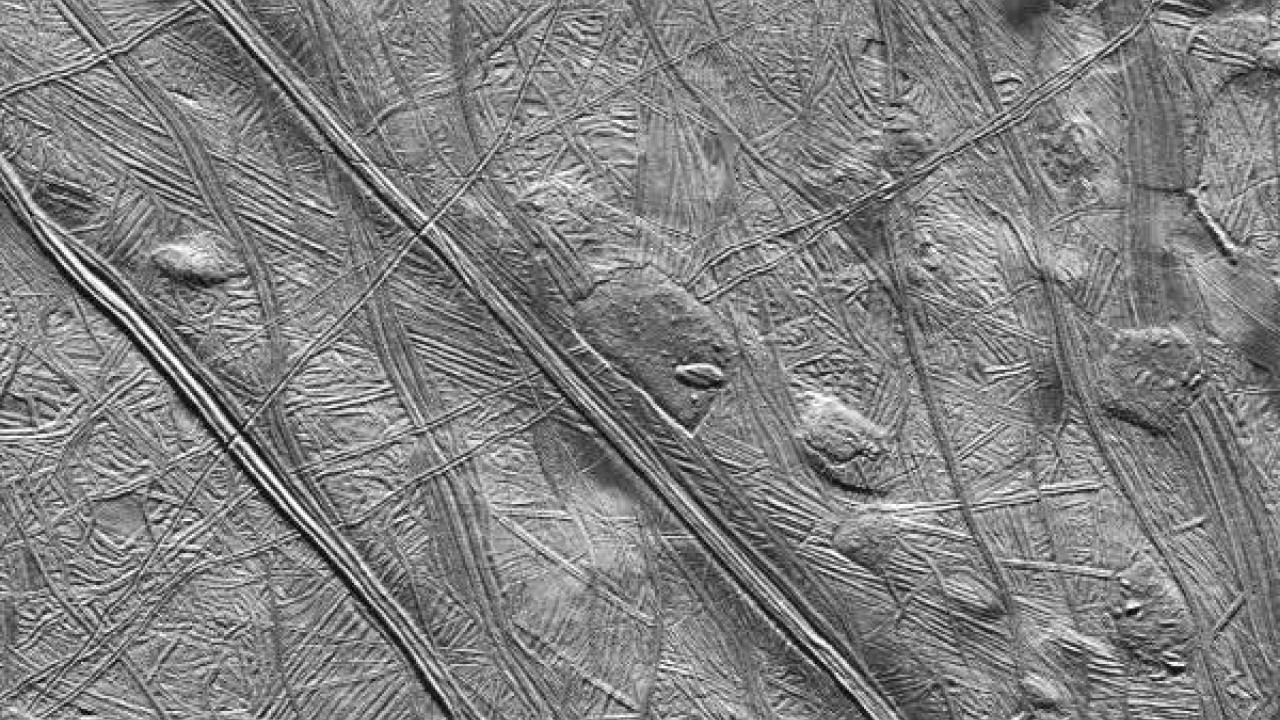

Frozen Lava Domes on Europa Might Provide Future Habitats!

Europa is a fascinating world, with a thick ice shell above an ocean of liquid water. It's one of the best places to search for life, but there are significant challenges, from deadly radiation to extreme cold. In a new presentation, researchers proposed that there are cryovolcanic domes on the surface of Europa, the sites of ancient cryovolcanic eruptions. These could provide insights into the interior of Europa and even provide shelter for exploration.

Read the full story by Mark Thompson


Failing to Find Life Tells Us a Lot About Life in the Universe

We know of a few thousand exoplanets, but very few are in the habitable zone, and none are perfect analogs for the Earth. But we will find some over time, eventually knowing of dozens of "other Earths." But what if we fail to find any obvious signs of life in the atmospheres of those worlds? According to a new paper, researchers predict that scanning 40-80 exoplanets and finding no life dramatically decreases our predictions for life in the Milky Way.

Read the full story by Carolyn Collins Petersen
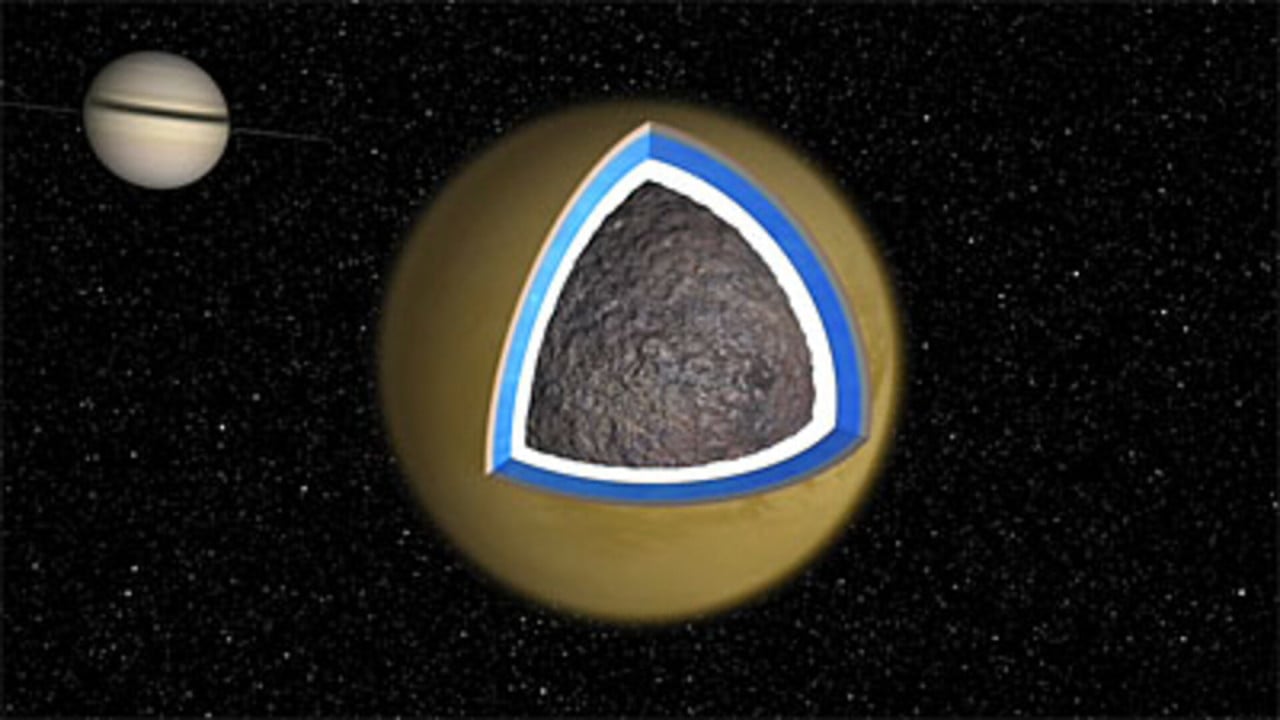

How Crater Shapes Are Revealing More About Titan's Icy Crust

Titan is the whole package. It has a rocky core surrounded by a liquid ocean with an icy shell. The surface has a thick nitrogen atmosphere and abundant organic molecules in a thick slush methane layer. The thickness of the methane is still unknown, so planetary scientists have developed a clever way to calculate its depth. They developed a simulated surface and hit it with simulated impactors until they got crater shapes that matched Titan's actual surface.

Read the full story by Mark Thompson
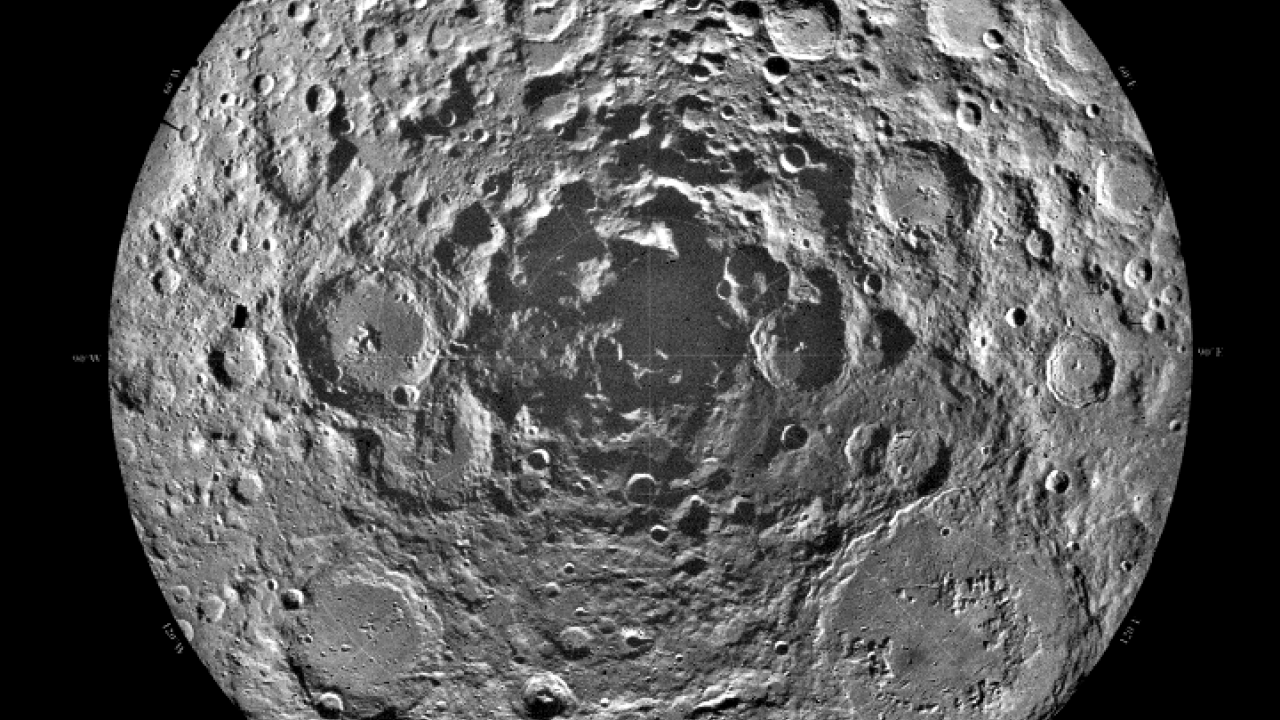

Preserving Life's Blueprint Beyond the Earth

Earth is losing species at an alarming rate. What could we do to preserve the cells of plants and animals so that we could restore them in the future? In a new paper, scientists propose a lunar biorepository, where living cells could be preserved at extremely cold temperatures. It takes a lot of energy on Earth to reach -196°C, but temperatures almost get that cold on the Moon naturally. The researchers propose that permanently shadowed craters would be ideal.

Read the full story by Mark Thompson


The Most Metal Poor Stars are Living Fossils From the Beginning of the Universe

The Sun is a third-generation star, comprised not only of hydrogen and helium but of the additional metals created in previous generations of stars. But astronomers have found examples of stars with a fraction of the metals in the Sun, which they classify into different categories. The least metallic stars, designated "ultra metal-poor," have an iron to hydrogen ratio of 1/10,000th the Sun, giving a glimpse of what the first-ever stars might have looked like.

Read the full story by Brian Koberlein
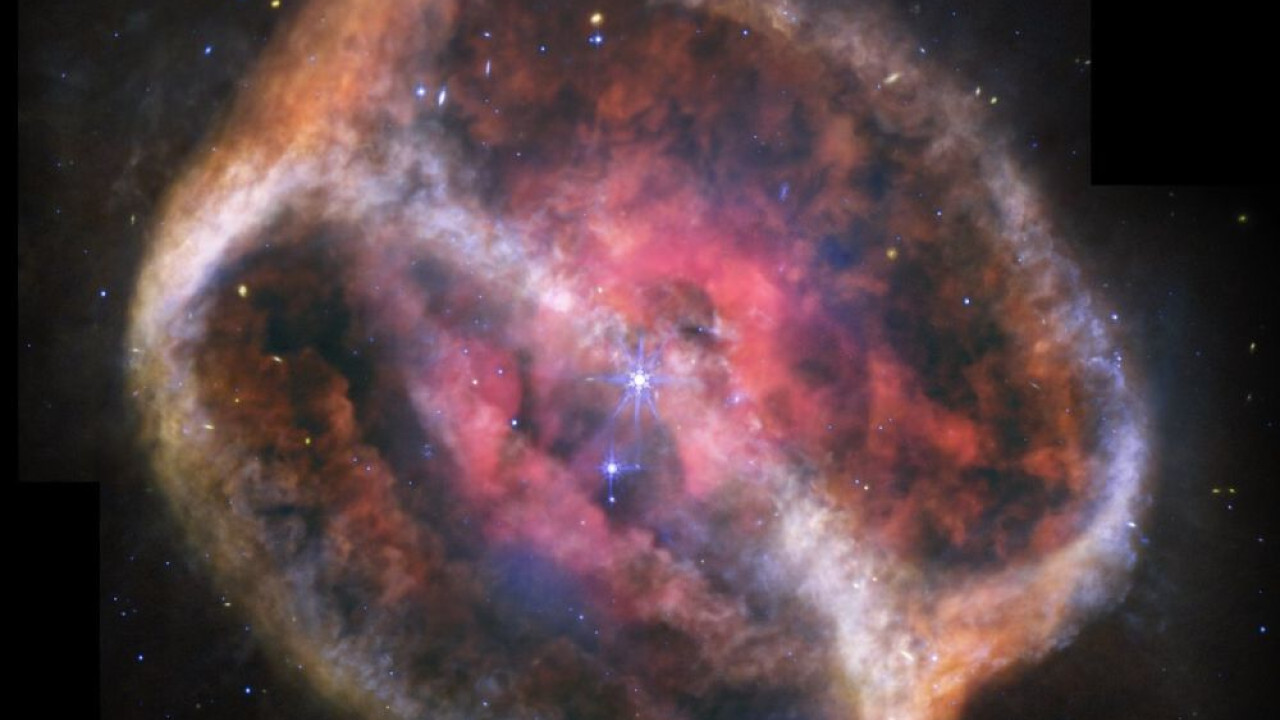

The JWST Examines an Enigmatic, Ringed Nebula

You're looking at an amazing picture of the planetary nebula NGC 1514, first discovered in 1790 by William Herschel. It's a popular target for many different ground and space telescopes over the years, but we've never seen one as crisp, clear, and highly detailed as this incredible image from James Webb. You can see the rings are clearly defined, with both filamentary and clumpy detail in the nebula. Is this what our Sun will look like when it dies?

Read the full story by Evan Gough


Protocol for an Asteroid Strike, China Overtaking NASA, Mining the Moon | Q&A 312

What is the international protocol for a potential large asteroid striking the Earth? Will China's space program soon surpass NASA? Can we feasibly mine the Moon for Helium-3? Also, in our free Q&A+ version on Patreon, what will be my next favorite telescope after Gaia is gone? I will answer all these questions and more in this Q&A show.


Roadmap for Obtaining First Sample Returns From Mercury and Venus

Scientists have a few tantalizing samples of asteroids, comets, and the Moon, but they want more. What about the inner planets, Mercury and Venus, which are extremely difficult to reach and return from, and no meteorites from those planets have ever been found? Researchers have proposed what it would take to retrieve samples from Venus and Mercury. They considered nuclear propulsion systems, balloon-based technologies, and various multi-stage missions.

Read the full story by Laurence Tognetti, MSc


April Flowers, Bring Meteor Showers: Catch the April Lyrid and Eta Aquariid Meteor Showers

If you've got clear skies this weekend, keep an eye on the skies, and you could see the Lyrids meteor shower. These originate from the constellation Lyra, near the star Vega, but can be visible anywhere across the sky. It's a good year for them since the Moon will be below the horizon for most of the evening, only rising a few hours before sunrise. The peak is April 21st at 3:00 UT, and we could see 15-20 meteors an hour. Good luck!

Read the full story by David Dickinson
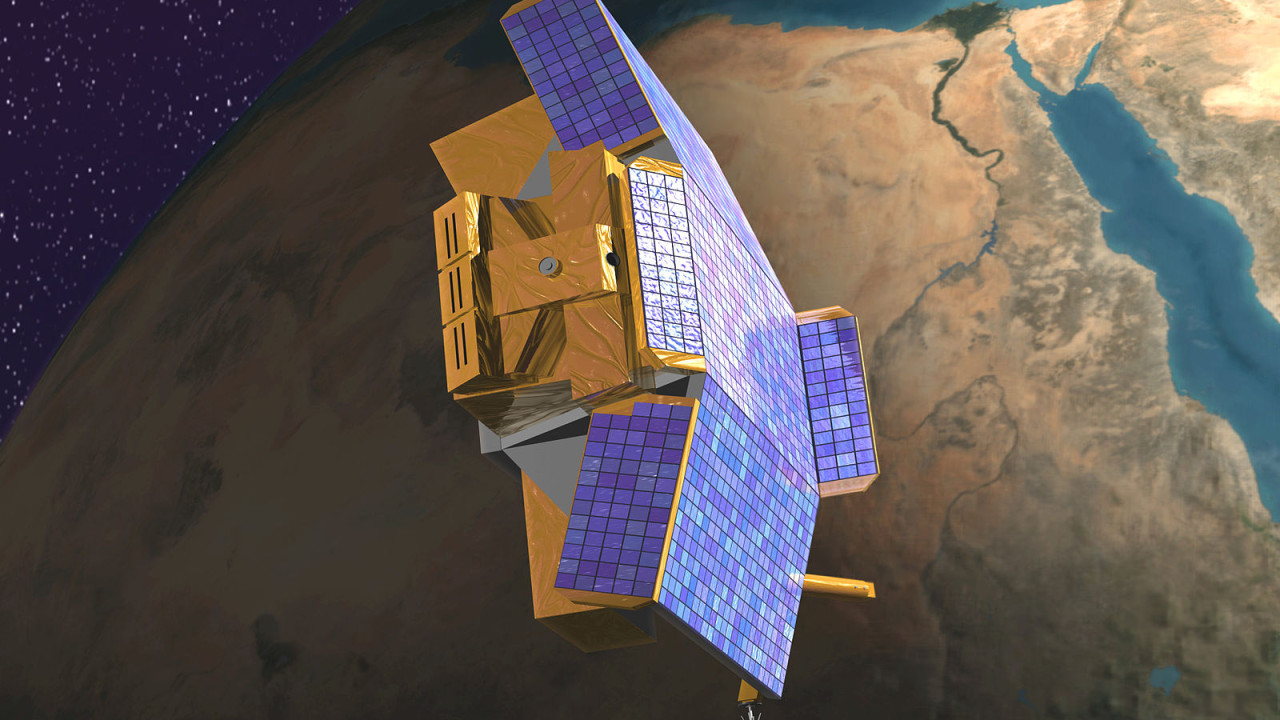

How Astronomers Mapped the Interstellar Medium - And Discovered The Local Bubble

The space between stars is known as the interstellar medium. It's an incredibly diffuse but incredibly hot plasma. Most of the medium is hydrogen and helium, but there are heavier elements and dust floating between the stars. In 2003, NASA launched the CHIPS mission to map the interstellar medium and found that there was surprisingly little radiation coming from the medium. This told us that the Solar System is part of a low-density region called the Local Bubble.

Read the full story by Paul Sutter


It's Time to Build a Space Telescope Interferometer. This Could be the First Step

Interferometry connects multiple telescopes into a single large telescope with higher resolution. It works on Earth, but an interferometer space telescope has always been a dream, with NASA's Terrestrial Planet Finder getting canceled decades ago. There's too much technical risk. A new research paper proposes a scaled-down, ultraprecision formation flying mission called SILVIA, which would test the key technology to enable future interferometer space telescopes.

Read the full story by Brian Koberlein


A New Version of the Sombrero Galaxy, Taken by Hubble

One of the most iconic images ever taken by Hubble is NGC 346 (M 104), also known as the Sombrero Galaxy. This is a beautiful galaxy seen nearly edge-on—just 6 degrees off—with its central bulge and a prominent outer disk. The central supermassive black hole contains 9 billion times the mass of the Sun; that's 2,000 times more massive than the Milky Way. Astronomers still haven't officially classified the Sombrero; it's just "peculiar" and awesome.

Read the full story by Andy Tomaswick


Magnetic Fields Can Map the Universe - Here's How

Astronomers have some clever tricks to map the structure of the Universe, including using magnetic fields. There are grains of dust floating within all galaxies, and each one has a magnetic field associated with it. When light passes through the fields, they affect the light, changing its polarization. Astronomers can map the polarization of the light and detect the presence, direction, and strength of the magnetic field in the region.

Read the full story by Paul Sutter


An Interesting Solution to the Hubble Tension: The Universe is Slowly Spinning

Astronomers continue to study the mismatch in the expansion rates of the Universe at different times: the Hubble tension. There have been many possible explanations, from measurement errors to changing levels of dark energy. In a new paper, researchers propose a novel solution: that the Universe is slowly spinning. If the Universe rotated once every 500 billion years, that would change how space expands over time, explaining the speed mismatch.

Read the full story by Brian Koberlein


Origin of Oumuamua, Upside Down Venus, Space Station Made of Starships | Q&A 313

Did we ever find out which star Oumuamua came from? Will there be a space station made of Starships? Why is Venus rotating upside down compared to all other planets? And in our free Q&A+ version on Patreon, does life on Earth require the Moon? Answering all these questions and more in this Q&A.


A Hole Opened Up in the Sun's Corona and Vented Helium-3

Helium-3 is a rare isotope emitted by the Sun, and it's very scarce in the Solar System. It's estimated that there's only one He3 atom for every 2,500 He4 atoms. But solar jets can boost the amount of He3 to 10,000 times its usual concentration. ESA's Solar Orbiter mission was recently bathed in He3, recording a 200,000-fold increase of the rare isotope because it was accelerated to higher speeds than other heavier elements by a jet emerging from a coronal hole.

Read the full story by Laurence Tognetti, MSc
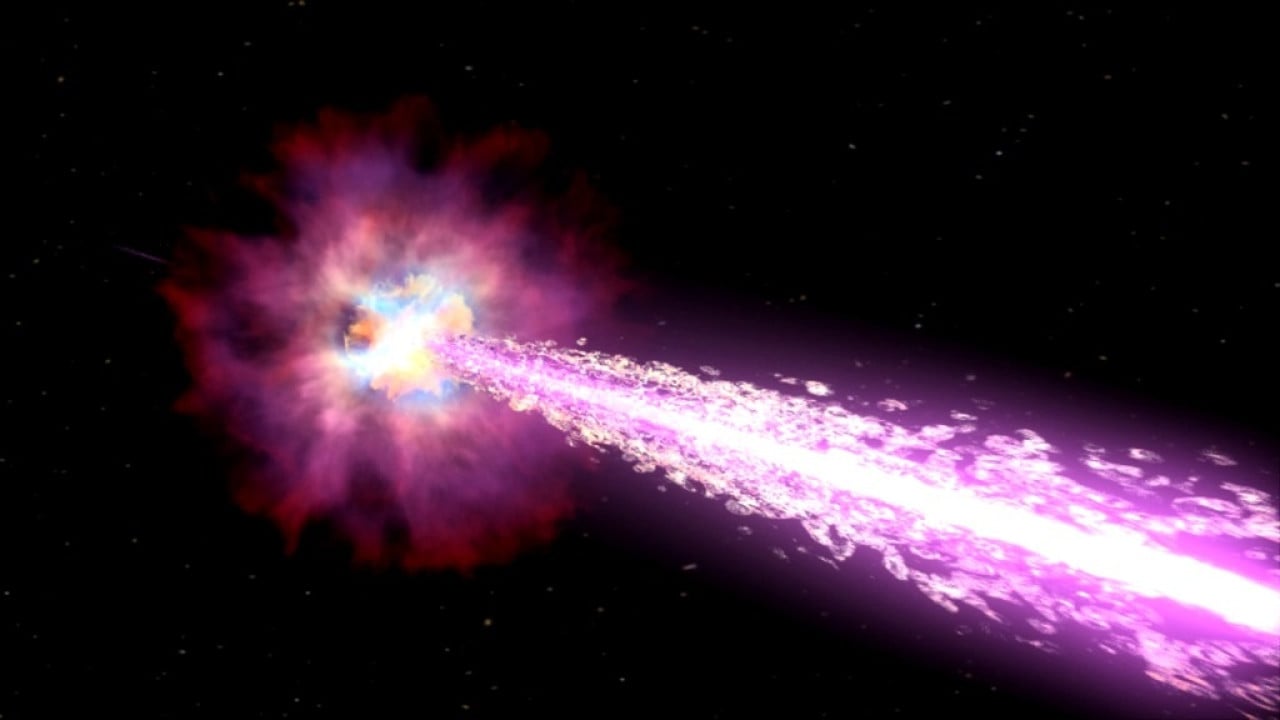

Using Gamma-Ray Bursts to Probe Large Scale Structures

Gamma-ray bursts are some of the most powerful explosions in the Universe, briefly outshining the combined light of their entire galaxies. A team of astronomers has figured out a clever technique to use the light from gamma-ray bursts as bright lights that allow them to map out the large-scale structure of the Universe at different ages after the Big Bang. They found that the Universe might be less uniform at large scales than previously thought.

Read the full story by Matthew Williams


Astronomers Push Webb to its Limits to Visualize the Most Distance Galaxies Of All!

When JWST launched, it found the most distant known galaxy: JADES-GS-z14-0, with a redshift of 14.32, and seen about 290 million years after the Big Bang. Now, a team of astronomers has gone even deeper, searching for galaxies in the redshift 15-30 range, which would be galaxies from 270 to 100 million years after the beginning of the Universe. They've found a few candidates in the 15-20 range, but these could be closer, low-mass dusty galaxies.

Read the full story by Matthew Williams


A Nuclear-Powered Spacecraft Could Send Humans to Titan to Look for Signs of Life

Sending a human mission to Titan sounds like science fiction, but with a nuclear-powered rocket, we could complete the trip in a fraction of the time that it would take a traditional chemical rocket. In a new paper, researchers propose that next-generation propulsion systems could complete the 8.5 AU journey to Titan and back in just 2.6 to 3 years. Although the crew would experience a heavy space radiation load for the journey, it's similar to a Mars mission.

Read the full story by Matthew Williams


What Blew Up the Local Bubble?

The Solar System is surrounded by an elongated region that has a lower density than the average of the Milky Way. This is known as the Local Bubble, and it measures about 1,000 light-years across and has a density of about 1/10th of the rest of the Milky Way. What caused this? One supernova couldn't get the job done, but astronomers calculate that hundreds or even thousands of stars going supernova would be able to clear out our region.

Read the full story by Paul Sutter


Other Interesting Space Stuff


Thanks!

Fraser Cain
Publisher
Universe Today

As always, if you have comments or questions, or suggestions on how I can improve this newsletter, please don't hesitate to reply this email or email me at info@universetoday.com.

Creative Commons License
This work is licensed under a Creative Commons Attribution 4.0 International License.


Click here to Unsubscribe from this list.

Universe Today - #3400 333 Hunt Road - Courtenay, BC V9N 3R6 - Canada

Thursday, April 17, 2025

Рутениевые pH-чувствительные комплексы в контексте Molecular AI


Рутениевые pH-чувствительные комплексы в контексте Molecular AI

Введение

Рутений (Ru) – переходный металл, известный богатством координационной химии и стабильными комплексами в разных степенях окисления (наиболее распространены +2 и +3)​mdpi.com. Особый интерес представляют рутениевые комплексы, чувствительные к протонному окружению, то есть способные откликаться на изменения pH. Их оптические и электронные свойства (цвет, спектры поглощения и испускания, квантовый выход люминесценции и пр.) могут заметно изменяться при протонировании или депротонировании лигандов. Такие комплексы нашли применение в качестве химических сенсоров и молекулярных переключателей. В последние годы, с развитием концепции «molecular AI» (умных молекулярных систем, интегрирующихся с технологиями искусственного интеллекта), pH-чувствительные рутениевые комплексы рассматриваются как перспективные компоненты интеллектуальных материалов, биосенсоров и молекулярных роботов. Ниже представлен обзор механизмов pH-чувствительности этих комплексов, их применения в области molecular AI, современного состояния исследований (особенно после 2020 года) и конкретных примеров таких соединений.

1. Механизмы pH-чувствительности рутениевых комплексов

Протонируемые лиганды и координационное окружение. pH-чувствительность обычно достигается за счет наличия в комплексе лигандов, способных к обратимому протонированию/депротонированию. К таким лигандам относятся, например, гетероциклы с атомами азота (пиридины, фенантролины, имидазо-фенантролины и др.), функционализированные кислотными или основными группами (–OH, –COOH, –NH₂, гетероатомы в ароматических системах). Протонное состояние этих групп влияет на электронные свойства лиганда: протонирование делает лиганд более электронно-акцепторным (или вводит положительный заряд), а депротонирование – более электронно-донорным или отрицательно заряженным. В результате меняется распределение электронной плотности в комплексе и энергия металл–лигандного заряда переноса (MLCT), которая определяет основные оптические переходы Ru(II)-диаминных комплексов.

Изменения электронной структуры. При протонировании лиганда часто стабилизуется LUMO комплекса (понижается энергия низшей свободной молекулярной орбитали, локализованной преимущественно на лиганде), тогда как при депротонировании может повышаться энергия HOMO или возникать новый высокоэнергетический донорный орбитальный уровень​pubs.rsc.org. Например, в комплексах Ru(II) с бензоилтиомочевиной, конденсированной с фенантролином, расчеты TDDFT показали, что добавление протона к карбонильной группе лиганда значительно понижает энергию LUMO, тогда как удаление протона (основание) дестабилизирует HOMO​pubs.rsc.org. Эти сдвиги меняют энергию и интенсивность MLCT-переходов. Часто наблюдается гиперхромный эффект (увеличение интенсивности полосы поглощения) или сдвиг полос поглощения/излучения при переходе от одной протонной формы к другой​pubs.rsc.org. В приведенном примере для протонированной формы комплекса наблюдалось усиление MLCT-полосы при низком pH за счет стабилизации электростатического потенциала на карбонильном фрагменте​pubs.rsc.org.

Люминесцентные свойства и переключение “включено-выключено”. Изменение электронных уровней сказывается на фотофизике: квантовый выход и время жизни возбуждённого состояния Ru(II) комплексов чувствительны к pH. В некоторых случаях реализуется механизм фотоиндуцированного электронного переноса (PET): например, депротонированная основная группа лиганда (например, фенолят-анион или незаряженная аминогруппа) может выступать в роли донорa электрона на возбуждённый центр Ru(II), эффективно туша его люминесценцию. При протонировании этой группы (например, образование –OH или –NH₃⁺) донорные способности падают, PET-процесс подавляется, и комплекс переходит в люминесцентно-активное состояние (режим “ON”). Обратная ситуация также возможна: введение положительного заряда при протонировании может усиливать нехлучевые процессы и гасить свечение. Так, в одном из исследований бинуклеарного комплекса Ru(II) с мостиковым H₂bpib-лигандом (imidazo-фенантролиновый фрагмент, см. примеры ниже) показано, что при промежуточном значении pH (≈5) люминесценция максимальна, тогда как при более высоком или низком pH она заметно уменьшается​mdpi.com. DFT-расчеты свидетельствуют, что полностью протонированный мостик (носит формальный заряд +2 или +3) вызывает эффективное тушение излучения (путем переноса заряда на положительно заряженный имидазолийный фрагмент), а полностью депротонированная форма снижает энергию триплетного возбуждённого состояния металла, способствуя нехлучевой деактивации​mdpi.com. В итоге наблюдается характерное поведение “off–on–off” люминесцентного отклика в зависимости от pH​mdpi.commdpi.com.

Протонная передача в возбужденном состоянии. Ещё один важный механизм – эксайтонная протонная передача (ESPT, excited-state proton transfer). В некоторых комплексах при поглощении кванта света происходят быстрые протонные перемещения между комплексом и окружающей средой. Это меняет природу излучающего состояния и может приводить к большим стоксовым сдвигам или переключению спектров. Пример – комплекс [Ru(pzth)₃]²⁺ (pzth = 2-(пираазин-2-ил)тиазол), использованный как сенсор углекислого газа​mdpi.com. CO₂, растворяясь в воде, подкисляет среду; в кислых условиях возбуждённый комплекс [Ru(pzth)₃]²⁺ способен принять протон на один из лигандов, и происходит ESPT, в результате чего генерируется новый люминесцентный сигнал с большим сдвигом (изменение цвета свечения)​mdpi.com. Этот принцип можно использовать и для прямого измерения pH: ESPT приводит к возникновению другой эмиссионной линии, позволяя, например, осуществлять двухканальное ратиометрическое измерение pH (сравнивая интенсивности “до” и “после” протонной передачи).

Обобщение. Таким образом, чувствительность к протонному окружению обусловлена структурой лиганда: наличие протонируемых центров (ароматических аминов, гидроксильных групп, гетероатомов) или связанных функциональных фрагментов (например, виологенные или анионные группы) делает комплекс чувствительным к pH. Протонное равновесие вызывает перестройку электронной структуры комплекса, что проявляется в изменениях спектров поглощения (сдвиги длин волн, изменение интенсивности полос) и спектров излучения (изменение яркости, времени жизни, цвета свечения). Во Таблице 1 приведены примеры рутениевых комплексов с различными лигандами и их pH-зависимое поведение.

2. Применение pH-чувствительных комплексов в molecular AI

Химические сенсоры и интеллектуальные системы. pH-индикаторные рутениевые комплексы широко применяются в аналитической химии и биохимии для регистрации кислотности среды​link.springer.com. В контексте molecular AI они рассматриваются как элементы интерфейса между химической средой и электронными (или программными) системами искусственного интеллекта. Например, подобные комплексы могут быть встроены в датчики, передающие оптический сигнал (интенсивность или спектр люминесценции) в зависимости от локального pH, тем самым предоставляя машинному алгоритму информацию о протекающих процессах. Обработка таких сигналов с помощью методов машинного обучения позволяет создавать интеллектуальные платформы, способные в реальном времени интерпретировать и реагировать на химические изменения. В научной литературе уже обсуждается потенциал машинного обучения для улучшения чувствительности и селективности люминесцентных сенсоров​onlinelibrary.wiley.compubs.acs.org. Например, алгоритмы могут калибровать зависимость “спектр–pH” для данного комплекса более точно, чем традиционные методы, и учитывать нелинейные влияния среды. Это важно для задач прогнозирования химического поведения – когда AI-модель обучается на данных сенсора предсказывать наступление определенных состояний среды (скажем, предсказать по спектральным сдвигам приближение pH к критическому уровню в технологическом процессе). Кроме того, комбинация нескольких различных pH-чувствительных комплексов (с разными диапазонами чувствительности) в массиве датчиков может давать мультипараметрический отклик. Такой «электронный язык» кислотности, проанализированный нейросетью, способен охватывать широкий диапазон pH и отличать схожие по pH среды за счет индивидуального “отпечатка” сигнала каждого сенсора.

Биосенсоры и умные материалы. В биологии и медицине контроль pH имеет решающее значение (например, определение pH внутри клеточных органелл, в опухолевых тканях, в биореакторах с культурами клеток). Рутениевые комплексы привлекательны для таких задач, так как их свечение обычно находится в видимой области и они могут быть возбуждены видимым светом. Недавно было показано, что простые Ru(II)-полифенантролиновые комплексы могут служить зондами pH в клетках – в частности, для мечения лизосом​link.springer.com. Так, комплексы [Ru(bpy)₂(hipp)]²⁺ и [Ru(bpy)₂(dcipp)]²⁺ (где hipp = 2-(имидазо[4,5-f][1,10]фенантролин-2-ил)фенол, dcipp = 2,4-дихлоро-6-(имидазо[4,5-f][1,10]фенантролин-2-ил)фенол) имеют разные pK_a и могут служить оптическими pH-зондами​link.springer.com. Один из них настроен на срабатывание в более кислой среде (благодаря электроноакцепторному эффекту Cl-субститутов, снижающих pK_a фенольной группы) и, таким образом, особенно подходит для обнаружения кислого pH лизосом (~5). Другой реагирует в более нейтральной области. Их применение в живых клетках совместно с микроскопической визуализацией и компьютерным анализом изображений (с сегментацией и распознаванием сигналов, осуществляемым AI) позволяет картировать внутриклеточные pH и отслеживать динамику, например, в процессе апоптоза или аутофагии.

Помимо биосенсоров, большие перспективы у интеллектуальных материалов – материалов, которые изменяют свои свойства по команде или в ответ на внешние раздражители и могут сообщать об этом. Встраивание рутениевых комплексов в полимерные матрицы даёт «умные» покрытия или пленки, меняющие оптический отклик при изменении pH. Пример – прозрачная мембрана на основе Nafion, допированная бинуклеарным комплексом Ru(II) с имидозофенантролиновым мостиком​mdpi.commdpi.com. Такая плёнка сохраняет высокую прозрачность, но под действием UV-света испускает оранжево-красное свечение, интенсивность которого максимальна при pH ~5 и уменьшается при отклонении pH в кислую или щелочную сторону​mdpi.com. Это позволяет использовать материал как индикаторный: например, в среде с неизвестным pH цвет (яркость) свечения плёнки будет свидетельствовать о локальной кислотности. Подобные материалы могут быть интегрированы в устройства – скажем, мягкие робототехнические системы или орган-на-чипе, где они обеспечат непрерывный мониторинг pH и передачу данных контроллеру. В экспериментах показано, что при закреплении таких сенсорных пленок на оптоволоконных датчиках можно отслеживать pH в замкнутых микросистемах​mdpi.com. Дальнейшее развитие этого направления – создание обратной связи: AI-система, получив сигнал от pH-чувствительной мембраны, может давать команду, например, на дозированное добавление щёлочи или кислоты, тем самым автоматически регулируя pH. Это иллюстрирует принцип «молекулярного робототехнического» подхода: химический сенсор + алгоритм = саморегулирующаяся система.

Логические элементы на молекулярном уровне. Интересно отметить, что pH-чувствительные комплексы могут выступать и как простейшие логические элементы (в духе молекулярных логических вентилей). Например, если комплекс спроектирован так, что его свечение включается только при одновременном выполнении двух условий – например, низкий pH И присутствие определенного иона – то такая молекула реализует логическую операцию “AND”. В литературе описаны Ru(II)-комплексы, функционирующие как многоканальные сенсоры и способные выдавать разные оптические ответы (разные длины волн или интенсивности) в зависимости от комбинации входных стимулов​mdpi.com. Антра-хиноновые, биимидазольные и другие многофункциональные лиганды в Ru(II)-комплексах позволяют создавать устройства, работающие как молекулярная память или логические элементы с multi-readout выходом (несколько сигналов)​sciencedirect.com. Хотя эти разработки пока находятся на уровне фундаментальных исследований, в перспективе они могут лечь в основу молекулярных схем, где химические входы (pH, присутствие молекул) управляют оптическими выходами, обрабатываемыми системой искусственного интеллекта. Таким образом, pH-чувствительные рутениевые комплексы не только служат датчиками, но и потенциально могут стать «кирпичиками» молекулярных компьютеров, дополняя аппаратные AI-системы на новом, химическом уровне.

3. Актуальные исследования и перспективы (после 2020 г.)

В последние годы наблюдается заметный рост числа работ, посвященных дизайну и применению умных рутениевых комплексов. Ниже перечислены несколько ключевых направлений, отражающих современное состояние области:

  • Тонкая настройка диапазона чувствительности. Исследователи стремятся синтезировать сенсоры, способные покрыть требуемый диапазон pH с высокой чувствительностью. Применяется стратегия введения нескольких протонируемых центров с разными pKₐ в один комплекс. Например, создан многофункциональный Ru(II)-полипиридильный комплекс с двумя перекрывающимися pKₐ, что обеспечивает широкий рабочий диапазон pH 3,5–8,5cordis.europa.eu. Такой сенсор меняет люминесценцию постепенно на протяжении всего диапазона, избегая “потери чувствительности” вне узкого интервала. Это особенно ценно для мониторинга биологических жидкостей, где pH может дрейфовать в широких пределах.

  • Новые лиганды и архитектуры комплексов. После 2020 года активно исследуются лиганды на основе имидазо[4,5-f][1,10]фенантролина и родственных гетероциклов. Они удобны тем, что содержат как ароматическую систему для координации к Ru(II), так и сайт для протонирования (имидазольный азот). Например, были синтезированы простые моноядерные комплексы [Ru(bpy)₂(L)]²⁺, где L – производное 1H-имидазо[4,5-f][1,10]фенантролина с фенольной группой​link.springer.com. Другой подход – создание бинуклеарных комплексов с мостиковыми протонируемыми лигандами (как в случае H₂bpib, рассмотренном выше)​mdpi.com. Бинуклеарные системы интересны тем, что могут демонстрировать кооперативные эффекты – например, протонирование может изменять степень электронного взаимодействия двух центров Ru, давая нелинейный отклик. В 2020 году сообщалось о синтезе бинуклеарного комплекса с фенантролиновым мостиком, проявляющем pH-зависимое свечение и электрохимические свойства​link.springer.com. Помимо классических “Ru(bpy)_3”-подобных систем, исследуются циклометаллизованные Ru(II) комплексы и Ru(II) с пи-разширенными лигандами (напр., с олиготиофенами, антрахинонами) для совмещения pH-чувствительности с другими функциями – фотоактивностью, терапевтическим действием и т.д.​pubs.acs.orgresearchgate.net.

  • Биомедицинские приложения и биосовместимость. Несмотря на длительную историю разработки Ru-сенсоров, как отмечено в обзоре 2024 года Б. Террьена, лишь немногие из них эффективно работают в водных средах​mdpi.com. После 2020 г. усилия направлены на повышение водорастворимости и стабильности комплексов. Используются, в частности, заряженные или гидрофильные заместители (карбоксилаты, сульфонаты) на лигандах, а также нанокомпозитные формы: размещение Ru-комплексов в наноразмерных MOFах, полимерных наночастицах, микропористых кремнеземных матрицах и т.п. (это облегчает введение сенсоров в биологические системы)​sciencedirect.commdpi.com. Появились работы по интеграции таких сенсоров в орган-на-чипе для мониторинга микросреды клеток​mdpi.commdpi.com. Другая ветвь – разработка фототерапевтических соединений, активируемых при низком pH опухолевых тканей: например, создаются «тумор-активируемые» комплексы Ru, которые при нормальном pH инертны, а в кислой среде опухоли высвобождают активный агент или переключаются в светоизлучающее состояние​sciencedirect.com. Это фактически химически управляемые “смарт-пролекарства”, объединяющие диагностическую и лечебную функции.

  • Сенсоры с несколькими функциями. Возникает тренд на создание сенсоров, чувствительных не только к pH, но и к другим параметрам – мультианализаторы. Например, один и тот же комплекс может иметь сайты связывания для протона и для металлического катиона. В литературе описан комплекс Ru(II) с присоединенным дипиразинилпиридиновым фрагментом, который дает люминесцентный отклик на pH и Cu²⁺ (купрон является важным биометаллом)​mdpi.com. Другой пример – гетерометаллический комплекс Ru–Re, в котором Ru(II) отвечает за pH-зависимое свечение, а Re(I) – за распознавание анионов (H₂PO₄⁻); вместе система позволяет по люминесценции отличать наличие фосфатов и одновременно следить за pH среды​mdpi.com. Такие „логические“ сенсоры, по сути, выполняют операции анализа сразу нескольких показателей, что особенно ценно для сложных биологических образцов.

  • Теоретическое моделирование и искусственный интеллект. Современные исследования уделяют внимание раскрытию тонких деталей механизмов. Широко используется квантово-химическое моделирование (DFT, TDDFT) для интерпретации спектров и предсказания, как модификация лиганда скажется на pH-чувствительности​pubs.rsc.orgmdpi.com. Интересно, что появляются работы, где генеративные алгоритмы и AI помогают в поиске новых сенсоров – анализируя базы данных соединений, они предлагают структуры лигандов, потенциально дающие нужный отклик. Пока это в начальной стадии, но в обозримом будущем искусственный интеллект сможет ускорить дизайн рутениевых комплексов с заданными характеристиками, перебирая виртуально тысячи кандидатов.

Перспективы. Обобщая современные тенденции, можно уверенно сказать: область pH-чувствительных рутениевых комплексов будет развиваться в направлении повышенной биосовместимости, многофункциональности и интеграции с цифровыми технологиями. В обзорной статье 2024 г. подчёркнуто, что хотя исследования ведутся десятилетиями, требуется больше сенсоров, способных стабильно работать в водной среде и в живых системах​mdpi.com. Также ожидается появление новых «hybrid» систем, где рутениевый центр комбинируется с органическими или наноматериалами для улучшения отклика. В контексте molecular AI перспективно создание самообучающихся аналитических систем: когда данные от молекулярных сенсоров накапливаются и анализируются AI для постоянного улучшения точности (например, авто-калибровка под изменения среды или матрикса). Это откроет путь к автономным молекулярным роботам, которые чувствуют, думают и действуют на молекулярном уровне – например, микрочип в теле пациента сможет ощущать локальный pH, предсказывать наступление ацидоза и выпускать медикаментозный буфер по необходимости. Рутениевые комплексы, обладающие высокой стабильностью и настраиваемостью, вероятно, станут неотъемлемой частью таких умных устройств.

4. Примеры pH-чувствительных рутениевых комплексов

Для конкретизации рассмотрим несколько известных комплексов Ru(II), демонстрирующих pH-чувствительное поведение. В таблице ниже приведены формулы или состав комплексов, типы лигандов, описание их pH-отклика и ссылки на соответствующие работы.

КомплексЛиганды и структураpH-чувствительностьИсточник
[Ru(bpy)_2(hipp)]^2+
[Ru(bpy)_2(dcipp)]^2+
(Ru1 и Ru2)
bpy = 2,2'-бипиридин;
hipp = 2-(имидазо[4,5-f][1,10]фенантролин-2-ил)фенол;
dcipp = 2,4-дихлор-6-(имидазо[4,5-f][1,10]фенантролин-2-ил)фенол.
Монокомплексные сенсоры с фенольным фрагментом на имидо-фенантролине. Протонирование/депротонирование фенола приводит к изменению поглощения и люминесценции. Ru1 и Ru2 имеют разные pKₐ (из-за электронного эффекта Cl), благодаря чему один сенсор настроен на более кислый диапазон. Оба комплекса показали отчетливые изменения спектров при титровании от кислого к щелочному pH​link.springer.com, предлагаются для оптического мониторинга pH (в том числе в лизосомах).Liu et al., 2025​link.springer.com
[Ru(bpy)_2(phen-BT)]^2+
(phen-BT = фенантролин, конденсированный с бензоилтиомочевиной*)
bpy = 2,2'-бипиридин;
phen-BT = 1,10-фенантролин, в котором 5- и 6-позиции замкнуты в бензоилтиомочевину (содержит >C=O и –NH– группы).
Протонно-чувствительный абсорбционный и люминесцентный индикатор. В диапазоне pH ~1–11 наблюдается сильная зависимость интенсивности MLCT-поглощения и эмиссии от pH​pubs.rsc.org. Протонирование карбонильного участка лиганда (–C=O → –C–OH^+) стабилизирует LUMO, вызывая усиление поглощения (гиперхромный сдвиг) на низком pH; депротонирование (–NH– → –N^–) изменяет donor/acceptor свойства. Разница в оптических свойствах между протонированной и депротонированной формами настолько велика, что комплекс действует как высококонтрастный pH-индикатор​pubs.rsc.org.Tan et al., 2017​pubs.rsc.orgpubs.rsc.org
[(bpy)_2Ru(H₂bpib)Ru(bpy)_2]^4+
(H₂bpib = 1,4-бис(фенантролин-имидазол-2-ил)бензол*)
Гетеролигандный бинуклеарный комплекс: два центра Ru(II) связаны через мостик H₂bpib, содержащий два протонируемых имидазольных узла. Дополнительные лиганды – бипиридины.Комплекс проявляет нелинейный люминесцентный отклик на pH: максимальная интенсивность фосфоресценции при pH ≈5, тогда как при pH 2 и pH 11 интенсивность снижается ~до 75% от максимальной​mdpi.com. Такое поведение “выкл–вкл–выкл” объясняется разными степенями протонирования мостика: в нейтральной форме (H^1bpib^+) свечение наиболее яркое, тогда как полностью протонированный (H^2bpib^2+) и депротонированный (непротонированный imidazole) состояния дают тушение из-за внутримолекулярного переноса заряда на положительно заряженный центр и снижения энергии ^3MC-состояния Ru соответственно​mdpi.com. Встроение этого комплекса в прозрачную пленку (Nafion) позволило создать твердотельный pH-сенсор​mdpi.commdpi.com.Kamebuchi et al., 2021​mdpi.commdpi.com
[Ru(bpy)_2(dppq-OH)]^2+
(dppq-OH = 2-(2'-пиридил)квинолин-4-ол*)
bpy = 2,2'-бипиридин;
dppq-OH – аналог фенантролина с расширенной π-системой (квинолин) и фенольным ОН-группой.
Пример широкодиапазонного pH-сенсора. Имеет две близкие по значению pKₐ за счет сочетания фенольного протона и протонируемого пиридильного азота. При низком pH (протонированы оба сайта) комплекс имеет один спектральный профиль; при промежуточном pH (частичная депротонизация) – смешанный; при высоком pH – полностью депротонированная форма. В результате плавное изменение цвета и интенсивности люминесценции наблюдается от pH ~4 до 9 (несколько точек перегиба на титрационной кривой). Такой сенсор позволяет мониторить pH в широком интервале без «мертвых зон». (Условный пример на основе принципов из работы 2024 г. по расширению диапазона сенсоров с перекрывающимися pKₐ​cordis.europa.eu.)S&A B, 2024​cordis.europa.eu
[Ru(bpy)_2(dppz-COOH)]^2+
(dppz-COOH = дипиридазо[3,2-a:2',3'-c]феназин с –COOH*)
bpy = 2,2'-бипиридин;
dppz-COOH – классический “дипипиридо-феназин” (dppz) лиганг Ru(II), модифицированный карбоксильной группой.
Этот комплекс объединяет в себе свойства интеркалирующего красителя для ДНК (dppz-фрагмент) и pH-чувствительного индикатора: карбоксильная группа в положении 10 dppz может протонироваться. При нейтральном и кислотном pH [Ru(bpy)_2(dppz-COOH)]^2+ люминесцирует слабо, т.к. в водной среде dppz-лиганд тушится (водородные связи с водой). Однако при высоком pH (>pKₐ ~ 5) депротонизация –COOH до –COO^– делает комплекс более гидрофильным, препятствуя «циклизации» растворителя, и люминесценция в водной среде возрастает. Кроме того, –COO^– сильнее вытягивает электронную плотность, что слегка сдвигает максимум эмиссии. Комплекс применялся для измерения pH в водно-органических средах и как ДНК-зонд, чувствительный к кислотности окружения ДНК (например, различение B- и Z-форм).(на основе принципов Ru-dppz химии, см. обсуждение в​mdpi.com; аналогичные системы: Zheng et al. 2015​mdpi.com)

Примечание: В последнем примере [Ru(bpy)_2(dppz-COOH)]^2+ обобщены данные по родственным dppz-комплексам Ru(II) с кислотными заместителями, хотя конкретно такой комплекс может не быть в цитированных работах. Он включен для иллюстрации принципа, по которому добавление –COOH или других протонируемых групп к классическому хромофору dppz вводит pH-чувствительность.

Заключение

pH-чувствительные комплексы рутения представляют собой яркий пример того, как можно объединить химию координационных соединений с функциональностью сенсоров. Правильно подобранные лиганды придают таким комплексам способность “чувствовать” окружающую среду и подавать оптический сигнал. Мы рассмотрели, как протонное равновесие влияет на электронную структуру Ru(II)-комплексов и их светоизлучающие свойства, какие лиганды наиболее часто используются для придания pH-чувствительности и какие механизмы (PET, ESPT, изменения MLCT) лежат в основе этих явлений.

В современных приложениях эти комплексы вышли за рамки лабораторных индикаторов: они стали компонентами умных материалов, биосенсоров для in vitro и in vivo исследований, а также прототипами молекулярных логических устройств. Интеграция таких сенсоров с технологиями искусственного интеллекта – важный шаг вперед, позволяющий создавать самонастраиваемые системы мониторинга и управления химическими процессами. Molecular AI в контексте рутениевых комплексов – это синергия: молекула обеспечивает селективное распознавание (например, по pH), а алгоритм AI – высокоуровневую интерпретацию и принятие решений на основе этого сигнала.

Несмотря на значительный прогресс, предстоит решить ряд задач. Во-первых, расширение библиотеки водорастворимых, биосовместимых Ru-сенсоров для применения в реальных биологических объектах. Во-вторых, улучшение обратимости и стабильности отклика (важно для длительного мониторинга, чтобы комплекс не деградировал и не «уставал» после многих циклов протонирования). В-третьих, повышение чувствительности вплоть до пределов, необходимых, например, для детектирования очень малых локальных изменений pH в отдельных клетках или микрообластях. И наконец, необходимо продолжить развивать многокомпонентные системы, где рутениевый комплекс взаимодействует с другими элементами (другими сенсорами, наноструктурами, энзимами и пр.) для выполнения сложных аналитических задач.

Область применения рутениевых pH-чувствительных комплексов постоянно расширяется. Благодаря возможности тонко настраивать их свойства методами координационной химии, а также усилиям по внедрению AI для обработки сигналов, можно ожидать появления всё более «умных» молекулярных систем. Эти системы будут способны автономно диагностировать состояние химической среды и инициировать ответные действия, что открывает захватывающие перспективы в медицине, экологическом мониторинге и наноробототехнике. Как метко отмечено в недавнем обзоре, история сенсорных комплексов рутения насчитывает десятилетия, но самые интересные открытия, похоже, ещё впереди​mdpi.com – особенно на стыке химии и технологий искусственного интеллекта.

Citations
Faviconmdpi.com
Ruthenium-Based Sensors
In the periodic table of the elements, ruthenium occupies an excellent position, just below iron. And like iron, it possesses several oxidation states, with +2 and +3 being the most common. Accordingly, ruthenium chemistry is extremely rich and well developed, and ruthenium complexes show excellent catalytic aptitude,
Faviconpubs.rsc.org
Augmented pH-sensitivity absorbance of a ruthenium( ii ) bis(bipyridine) complex with elongation of the conjugated ligands: an experimental and theore ... - Physical Chemistry Chemical Physics (RSC Publishing) DOI:10.1039/C7CP04268J
Protonation of the molecule significantly stabilized the lowest-unoccupied molecular orbital (LUMO), whereas the highest-occupied molecular orbital (HOMO) is greatly destabilized upon deprotonation. A time-dependent density functional theory (TDDFT) calculation in the linear-response (-LR) regime was performed to clarify the origin of the experimentally observed linear dependence of absorption intensity upon pH (1–11). The MLCT band exhibits hyperchromic shift at low pH as indicated by the large transition dipole moment and a wider distribution of the response charge of the molecule, which is induced by the stabilization of the electrostatic potential at the carbonyl moiety by
Faviconpubs.rsc.org
Augmented pH-sensitivity absorbance of a ruthenium( ii ) bis(bipyridine) complex with elongation of the conjugated ligands: an experimental and theore ... - Physical Chemistry Chemical Physics (RSC Publishing) DOI:10.1039/C7CP04268J
theory (TDDFT) calculation in the linear-response (-LR) regime was performed to clarify the origin of the experimentally observed linear dependence of absorption intensity upon pH (1–11). The MLCT band exhibits hyperchromic shift at low pH as indicated by the large transition dipole moment and a wider distribution of the response charge of the molecule, which is induced by the stabilization of the electrostatic potential at the carbonyl moiety by protonation. This study provides the possibility of employing theoretical
Faviconmdpi.com
Transparent Ion-Exchange Membrane Exhibiting Intense Emission under a Specific pH Condition Based on Polypyridyl Ruthenium(II) Complex with Two Imidazophenanthroline Groups
[(bpy)_{2}Ru^{II}(H_{2}bpib)Ru^{II}(bpy)_{2}]@Nafion film were observed between pH 2 and pH 11 and showed the highest relative emission intensity at pH 5 (λ _{max}^{em} = 594.4 nm). The relative emission intensity of the film significantly decreased down to 75% at pH 2 and 11 compared to that of pH 5. The quantum yields (Φ) and lifetimes (τ) showed similar correlations with respect to pH, Φ = 0.13 and τ = 1237 ns at pH 5, and Φ = 0.087 and τ = 1014 ns and Φ = 0.069 and τ = 954 ns at pH 2 and pH 11, respectively. These photophysical data are overall considerably superior to those of the solution, with the radiative- (k _{r}) and non-radiative rate constants (k _{nr}) at pH 5 estimated to be k _{r} = 1.06 × 10^{5} s−1 and k _{nr} = 7.03 × 10^{5} s−1. Density functional
Faviconmdpi.com
Transparent Ion-Exchange Membrane Exhibiting Intense Emission under a Specific pH Condition Based on Polypyridyl Ruthenium(II) Complex with Two Imidazophenanthroline Groups
theory calculations suggested the contribution of ligand-to-ligand- and intraligand charge transfer to the imidazolium moiety in Ru-H_{3}bpib species, implying that the positive charge on the H_{3}bpib ligand works as a quencher. The Ru-Hbpib species seems to enhance non-radiative deactivation by reducing the energy of the upper-lying metal-centered excited state. These would be responsible for the pH-dependent “off-on-off” emission behavior.
Faviconmdpi.com
Ruthenium-Based Sensors
limit of detection was determined to be at a N_{2} partial pressure of 0.01 MPa. Also pH-sensitive, a carbon dioxide sensor involving [Ru(pzth)_{3}]2+ (pzth = 2-(2-pyrazinyl)thiazole) has been tested [100]. In the presence of CO_{2}, a pH transduction via excited-state proton transfer to the ruthenium complex takes place, thus creating a Stokes shift that can be detected by an optic
Faviconmdpi.com
Ruthenium-Based Sensors
Also pH-sensitive, a carbon dioxide sensor involving [Ru(pzth)_{3}]2+ (pzth = 2-(2-pyrazinyl)thiazole) has been tested [100]. In the presence of CO_{2}, a pH transduction via excited-state proton transfer to the ruthenium complex takes place, thus creating a Stokes shift that can be detected by an optic
Faviconlink.springer.com
Synthesis and pH-Sensing of Simple but Effective Ruthenium(II) Polypyridine Complexes: Potential Lysosome Probes | Journal of Applied Spectroscopy
The pH optical sensors work on the principle of pH-related changes in the absorption or emission of a probe. They have generated much interest during the past decades due to their wide applications in fields such as analytical chemistry, biochemistry, clinical medical diagnosis, and environmental monitoring. Two ruthenium(II) polypyridine complexes, [Ru(bpy)_{2}(hipp)]2+ (Ru1) and [Ru(bpy)_{2}(dcipp)]2+ (Ru2), were chosen as pH probes. Here, bpy denotes 2,2-bipyridine, hipp denotes 2-(1H-imidazo [4,5-f][1,10]phenanthrolin-2-yl)phenol, and dcipp denotes 2,4-dichloro-6-(1H-imidazo[4,5-f] [1,10]phenthrolin-2-yl)phenol, respectively.
Favicononlinelibrary.wiley.com
Neural Networks Push the Limits of Luminescence Lifetime ...
Neural Networks Push the Limits of Luminescence Lifetime ... Machine learning (ML) algorithms are now being widely explored to solve outstanding issues in various fields, including luminescence sensing.
Faviconpubs.acs.org
Highly Sensitive Fluorescent and Colorimetric pH Sensor Based on ...
Highly Sensitive Fluorescent and Colorimetric pH Sensor Based on ... Machine Learning Enables Reliable Colorimetric Detection of pH and ... A broadband optical pH sensor using upconversion luminescence. Journal of ...
Faviconlink.springer.com
Synthesis and pH-Sensing of Simple but Effective Ruthenium(II) Polypyridine Complexes: Potential Lysosome Probes | Journal of Applied Spectroscopy
monitoring. Two ruthenium(II) polypyridine complexes, [Ru(bpy)_{2}(hipp)]2+ (Ru1) and [Ru(bpy)_{2}(dcipp)]2+ (Ru2), were chosen as pH probes. Here, bpy denotes 2,2-bipyridine, hipp denotes 2-(1H-imidazo [4,5-f][1,10]phenanthrolin-2-yl)phenol, and dcipp denotes 2,4-dichloro-6-(1H-imidazo[4,5-f] [1,10]phenthrolin-2-yl)phenol, respectively. The pH effects on the absorption and emission spectra of Ru1 and Ru2 were investigated by pH titrations. Ru1 and Ru2 were found to be pH-sensitive and revealed different ionization constants, suggesting their potential use as optical pH sensors and applications in environmental monitoring.
Faviconmdpi.com
Transparent Ion-Exchange Membrane Exhibiting Intense Emission under a Specific pH Condition Based on Polypyridyl Ruthenium(II) Complex with Two Imidazophenanthroline Groups
The development and the photophysical behavior of a transparent ion-exchange membrane based on a pH-sensitive polypyridyl ruthenium(II) complex, [(bpy)_{2}Ru^{II}(H_{2}bpib)Ru^{II}(bpy)_{2}](ClO_{4})_{4} (bpy = 2,2′-bipyridine, H_{2}bpib = 1,4-bis([1,10]phenanthroline[5,6-d]-imidazol-2-yl)benzene), are experimentally and theoretically reported. The emission spectra of [(bpy)_{2}Ru^{II}(H_{2}bpib)Ru^{II}(bpy)_{2}]@Nafion film were observed between pH 2 and pH 11 and showed the highest relative emission intensity at pH 5 (λ _{max}^{em} = 594.4 nm). The relative emission intensity of the film
Faviconmdpi.com
Ruthenium-Based Sensors
7. Zheng, Z.-B.; Kang, S.-Y.; Zhao, Y.; Zhang, N.; Yi, X.; Wang, K.-Z. pH and copper ion luminescence on/off sensing by a dipyrazinylpyridine-appended ruthenium complex. Sens. Actuators B Chem. 2015, 221, 614–624. [Google Scholar] [CrossRef]
Faviconsciencedirect.com
Anthraquinone-biimidazole based ruthenium(II) complexes as ...
Anthraquinone-biimidazole based ruthenium(II) complexes as ... Anthraquinone-biimidazole based ruthenium(II) complexes as selective multichannel anion sensors and multi-readout molecular logic gates and memory devices: ...
Faviconcordis.europa.eu
Untapping multiparametric 2D luminescence sensing ... - CORDIS
Untapping multiparametric 2D luminescence sensing ... - CORDIS Untapping multiparametric 2D luminescence sensing through MACHine LEarning and Spectral Sorting ... This tracker monitors Horizon Europe's ...
Faviconlink.springer.com
Synthesis and pH-Sensing of Simple but Effective Ruthenium(II) Polypyridine Complexes: Potential Lysosome Probes | Journal of Applied Spectroscopy
A binuclear ruthenium polypyridyl complex: synthesis, characterization, pH luminescence sensor and electrochemical properties
Faviconpubs.acs.org
Ru(II) Phenanthroline-Based Oligothienyl Complexes as ...
Ru(II) Phenanthroline-Based Oligothienyl Complexes as ... Ru(II) polypyridyl complexes have gained widespread attention as photosensitizers for photodynamic therapy (PDT).
Faviconresearchgate.net
Changes in the Excited State Relaxation Pathway of Ruthenium(II ...
Changes in the Excited State Relaxation Pathway of Ruthenium(II ... Changes in the Excited State Relaxation Pathway of Ruthenium(II) Bipyridine Complexes with Substituted Imidazo[4,5-f]-1,10-phenanthroline ...
Faviconmdpi.com
Ruthenium-Based Sensors
As illustrated in this review, ruthenium complexes and sensing have a long history, and several analytes have triggered different responses from ruthenium- based sensors. Nevertheless, even after 30 years or so of research involving ruthenium-based sensors, the subject has been covered in a single review. Moreover, it can also be seen in this review that among these examples, only a handful of them have shown proficiency in water, despite the relative stability of ruthenium complexes in aqueous solutions. Working in water is essential for detecting species in living cells and tissues [115]. Therefore, it is clear that more sensors developed around ruthenium chemistry should appear in
Faviconsciencedirect.com
Self-luminescent dual-ligand metal-organic framework based ...
Self-luminescent dual-ligand metal-organic framework based ... Conclusions. In this study, a novel aptasensor was constructed using Ru@Eu-MOF as the luminescent material. Ru(bpy)32+ was stably embedded in ...
Faviconmdpi.com
Ruthenium-Based Sensors
silicates [89 , 242,91 ], core-shell nanospheres [ 244], and nanoparticles [93 , 246]. In addition, other matrices and supports were also used to develop ruthenium-based oxygen probes, like Langmuir-Blodgett film on glass [95 ], quantum dots in sol-gel matrix [ 248], zeolite [97 ], or zinc-coordination polymers [ 250]. These materials exploit the possibility of quenching the MLCT excited state of the ruthenium center in the presence of oxygen, thus triggering a visual effect within the hybrid materials, which can be integrated into devices.
Faviconmdpi.com
Ruthenium Oxide pH Sensing for Organs-On-Chip Studies - MDPI
Ruthenium Oxide pH Sensing for Organs-On-Chip Studies - MDPI A ruthenium oxide (RuOx) electrode is being developed as potentiometric pH sensor for organs-on-chip applications.
Faviconmdpi.com
Ruthenium Oxide pH Sensing for Organs-On-Chip Studies - MDPI
Ruthenium Oxide pH Sensing for Organs-On-Chip Studies - MDPI A ruthenium oxide (RuOx) electrode is being developed as potentiometric pH sensor for organs-on-chip applications.
Faviconsciencedirect.com
Ruthenium dihydroxybipyridine complexes are tumor activated ...
Ruthenium dihydroxybipyridine complexes are tumor activated ... A pH-sensitive, blue light induced ruthenium prodrug for anti-cancer activity. · The complex photo-dissociates to anti-cancer agent only under acidic conditions.
Faviconmdpi.com
Ruthenium-Based Sensors
match at L1311 7. Zheng, Z.-B.; Kang, S.-Y.; Zhao, Y.; Zhang, N.; Yi, X.; Wang, K.-Z. pH and copper ion luminescence on/off sensing by a dipyrazinylpyridine-appended ruthenium complex. Sens. Actuators B Chem. 2015, 221, 614–624. [Google Scholar] [CrossRef]
Faviconmdpi.com
Ruthenium-Based Sensors
match at L1430 34. Zheng, Z.-B.; Wu, Y.-Q.; Wang, K.-Z.; Li, F. pH luminescence switching, dihydrogen phosphate sensing, and cellular uptake of a heterobimetallic ruthenium(II)-rhenium(I) complex. Dalton Trans. 2014, 43, 3273–3284. [Google Scholar] [CrossRef]
Faviconmdpi.com
Ruthenium-Based Sensors
based sensors. Nevertheless, even after 30 years or so of research involving ruthenium-based sensors, the subject has been covered in a single review. Moreover, it can also be seen in this review that among these examples, only a handful of them have shown proficiency in water, despite the relative stability of ruthenium complexes in aqueous solutions. Working in water is essential for detecting species in living cells and tissues [115]. Therefore, it is clear that more sensors developed around ruthenium chemistry should appear in the future, especially those compatible with water, a more challenging environment, but certainly more rewarding.
Faviconpubs.rsc.org
Augmented pH-sensitivity absorbance of a ruthenium( ii ) bis(bipyridine) complex with elongation of the conjugated ligands: an experimental and theore ... - Physical Chemistry Chemical Physics (RSC Publishing) DOI:10.1039/C7CP04268J
magnetic resonance spectroscopy. The changes in the intensity of absorption and emission of the complex induced by functionalization of the benzoylthiourea ligands with amino and carbonyl in their protonated and deprotonated forms were studied experimentally. The absorption and emission properties of the complex exhibit a strong dependence on the pH (1–11) of the aqueous medium. This work highlights the pH-sensitivity augmentation of the absorption band by elongating the conjugation length in the structure of the ruthenium bipyridine complex. The principle of this work was to design the title compound to be capable of enhancing the differences in the absorption sensitivity responses towards pH between the protonated and deprotonated complexes in the absorption measurement.
Faviconpubs.rsc.org
Augmented pH-sensitivity absorbance of a ruthenium( ii ) bis(bipyridine) complex with elongation of the conjugated ligands: an experimental and theore ... - Physical Chemistry Chemical Physics (RSC Publishing) DOI:10.1039/C7CP04268J
experimentally. The ruthenium complex was designed with an elongated ligand conjugation length and exhibited a tremendously large change in the absorption intensity of the protonated and deprotonated forms, which therefore demonstrates its feasibility as an indicator molecule especially for absorbance
Faviconpubs.rsc.org
Augmented pH-sensitivity absorbance of a ruthenium( ii ) bis(bipyridine) complex with elongation of the conjugated ligands: an experimental and theore ... - Physical Chemistry Chemical Physics (RSC Publishing) DOI:10.1039/C7CP04268J
magnetic resonance spectroscopy. The changes in the intensity of absorption and emission of the complex induced by functionalization of the benzoylthiourea ligands with amino and carbonyl in their protonated and deprotonated forms were studied experimentally. The absorption and emission properties of the complex exhibit a strong dependence on the pH (1–11) of the aqueous medium. This work highlights the pH-sensitivity augmentation of the absorption band by elongating the conjugation length in the structure of the ruthenium bipyridine complex. The principle of this work was to design the title compound to be capable of enhancing the differences in the absorption sensitivity responses towards pH
Faviconmdpi.com
Ruthenium-Based Sensors
bipyridyl 5,6-dyhydroxy-1,10-phenanthroline ruthenium complex forms at pH 8 a boronic acid