

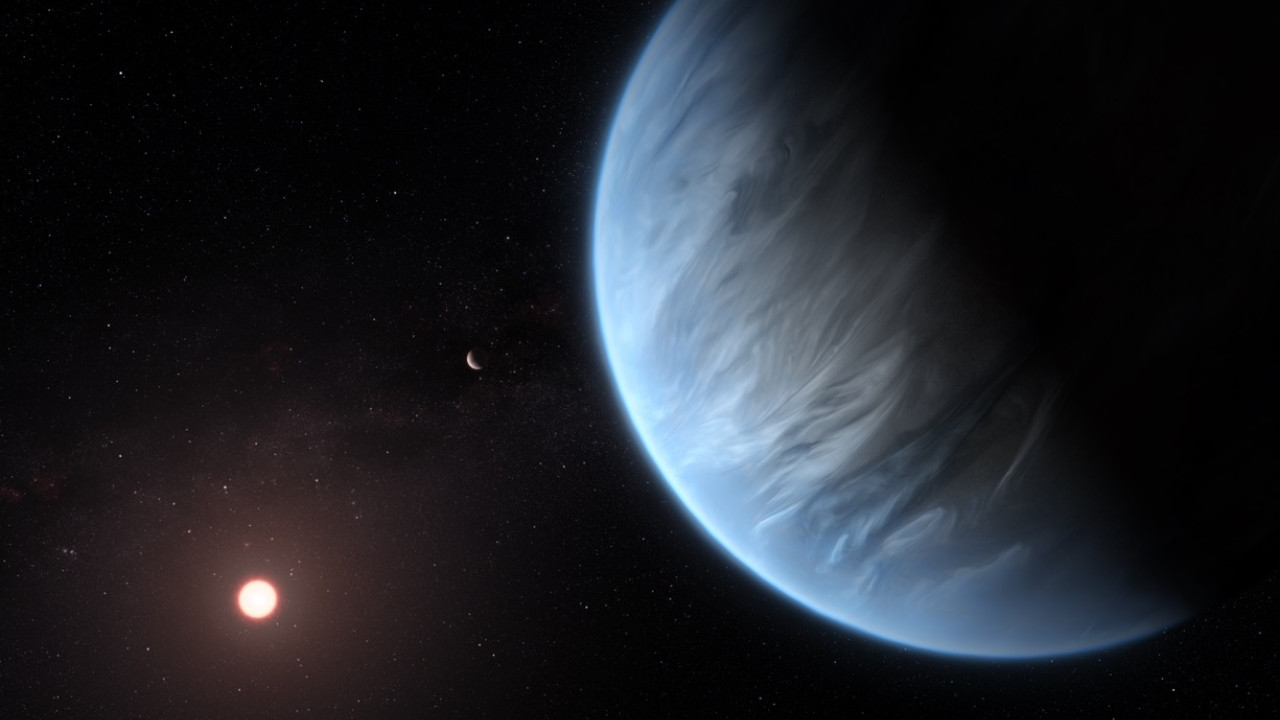
Is There Life on an Alien Planet? Fresh Findings Revive the Debate
Astronomers are reporting the discovery of a chemical in the atmosphere of exoplanet K2-18b called dimethyl disulfide. This is potentially exciting because it's generated by marine phytoplankton here on Earth. The discovery was made using James Webb, and the researchers claim the detection is more reliable than previous measurements. The astronomical community is skeptical, however, and suggests there are non-biological ways this chemical could be produced.
Read the full story by Alan Boyle

🦄 If you enjoy what we do at Universe Today, join our Patreon Club! Here are just some of the perks you can get by subscribing:
- I'll remove all ads on UniverseToday.com for life, even if you unsubscribe in future
- You'll get ad-free versions of our videos, so you won't even have YouTube ads
- Early access to interviews, which we now do in improved quality
- A secret Patreon Email Newsletter
- Access to Patreon-only AMA session once per month
- Behind the scenes and other bonus content
- Help us stay independent and support the team directly
Support Universe Today. Join the Club Now!
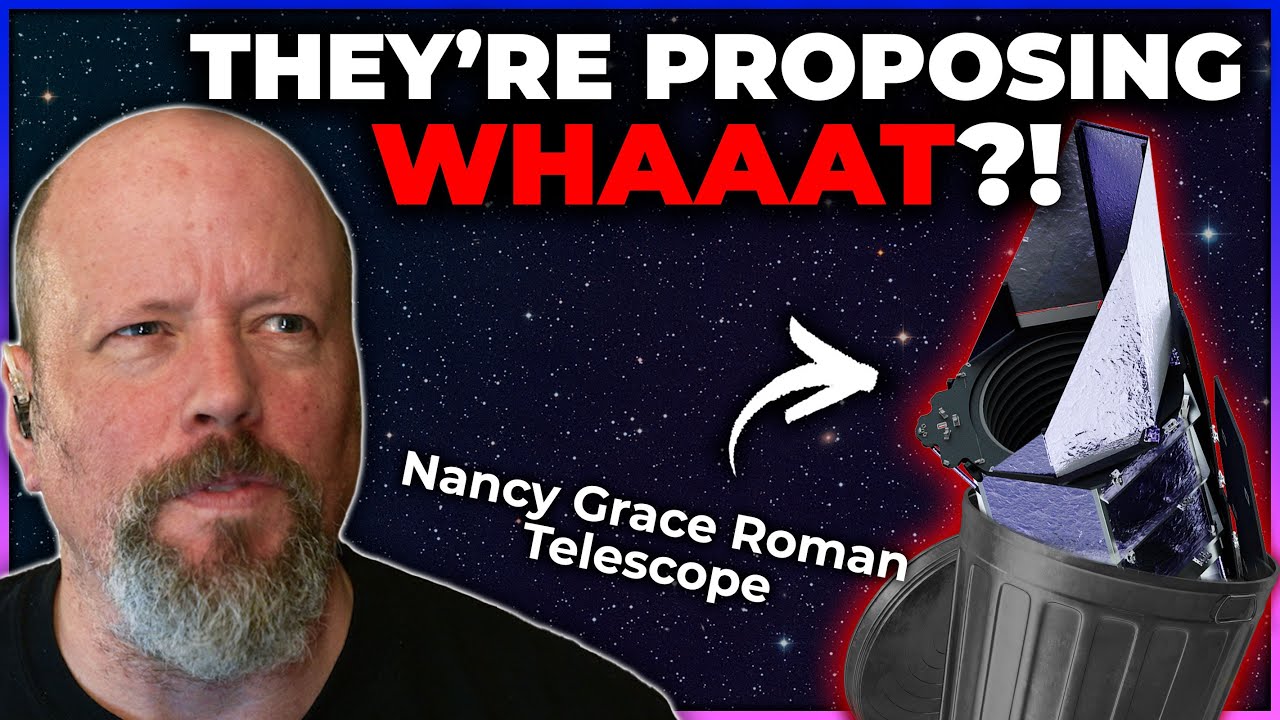
Cancelling Roman Telescope // Big Biosignatures Update // Spinning Universe
We've got more details about upcoming NASA cuts, the first evidence of life on an exoplanet? is the entire Universe spinning? how global warming could reduce room for satellites, and in our free Patreon edition of Space Bites+, a new way to search for life as we don't know it.
🎧 Subscribe to our podcasts:
- Universe Today Podcast. Space news, interviews, Q&As, and exclusive content from Universe Today.
- Astronomy Cast. Your weekly facts-based journey through the cosmos, which I co-host with astronomer Dr. Pamela Gay.
Upcoming Shows:

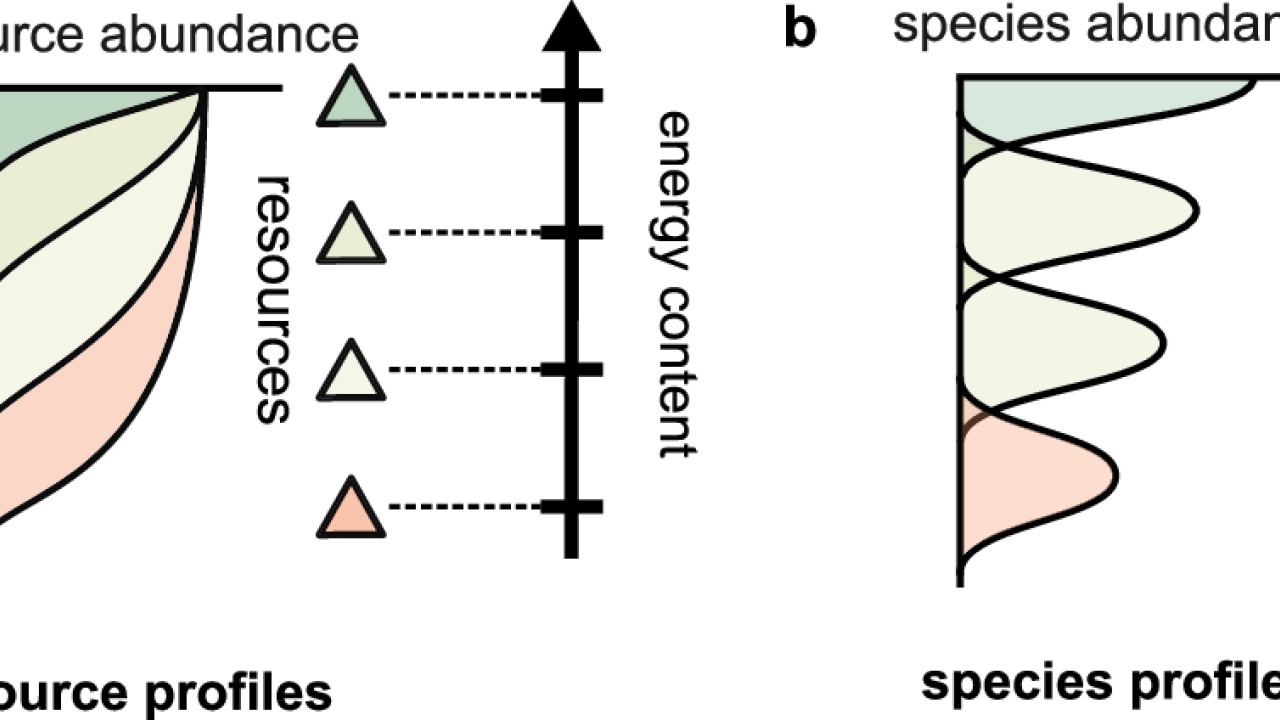
Researchers Propose a New Way to Search for Evidence of Life
Astrobiologists continue to struggle to find a single universal biosignature that could tell us if an exoplanet has life on it or not. Even if we could distinguish the chemicals of life from abiotic sources like volcanism, it still assumes that life will be similar to Earth-like life. A new paper proposes that missions search for "energy-ordered resource stratification," which only happens when both self-replication and ecological competition are present.
Read the full story by Mark Thompson

More Greenhouse Gases Means Less Room for Satellites
You might be surprised to learn that greenhouse gas emissions can have an effect on the satellite carrying capacity of low Earth orbit. As more CO2 and other gases are pumped into the atmosphere, they cause the upper atmosphere to shrink, reducing atmospheric drag on existing satellites. Junk and defunct satellites will stay around longer before re-entering the atmosphere and burning up. Researchers estimate that carrying capacity could be reduced by more than 50%.
Read the full story by Allen Versfeld

A New Technique to Find Hidden Black Holes
Thanks to JWST and other powerful observatories, astronomers are finding supermassive black holes earlier in the universe. The challenge is that actively feeding black holes will throw out a cloud of dust that obscures them from view. Now, researchers have developed a new technique that could reveal those hidden black holes. They've found that X-ray radiation emitted by infalling material heats the surrounding gas unusually high, providing a detectable signal.
Read the full story by Evan Gough
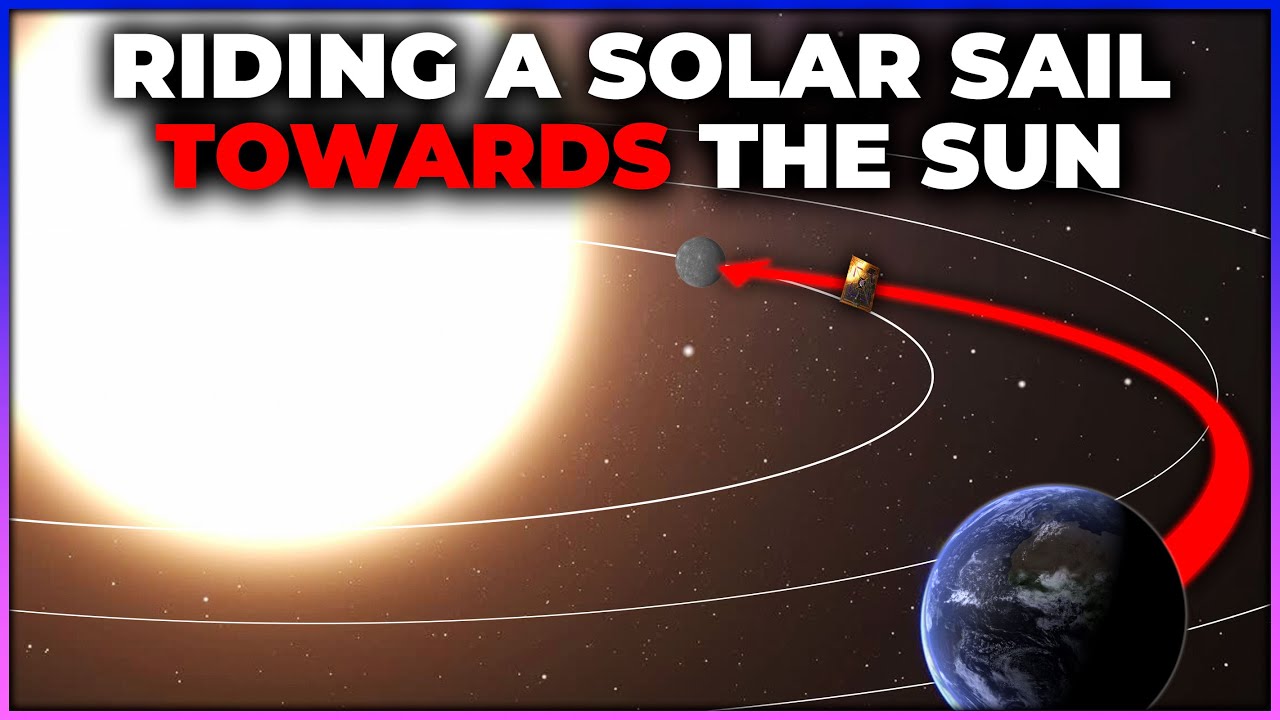
Getting To Mercury With NO Propellant
Solar sails aren't only good for getting to Mars and beyond. In fact, they can be more efficient when going towards the Sun. This new mission concept even suggests going to Mercury using a solar sail, providing the best observations of the planet we have ever had.

How Black Holes Can Emit Powerful Jets
Supermassive black holes can emit powerful jets that stretch out into the cosmos, but the less massive stellar black holes can form jets too, generating beams of ionized gas that shoot outward at nearly the speed of light. Now, astronomers think they understand the underlying mechanism that generates these jets. They occur when the inner radius of the accretion disk suddenly decreases and reaches the closest point that matter can orbit without falling in.
Read the full story by Brian Koberlein
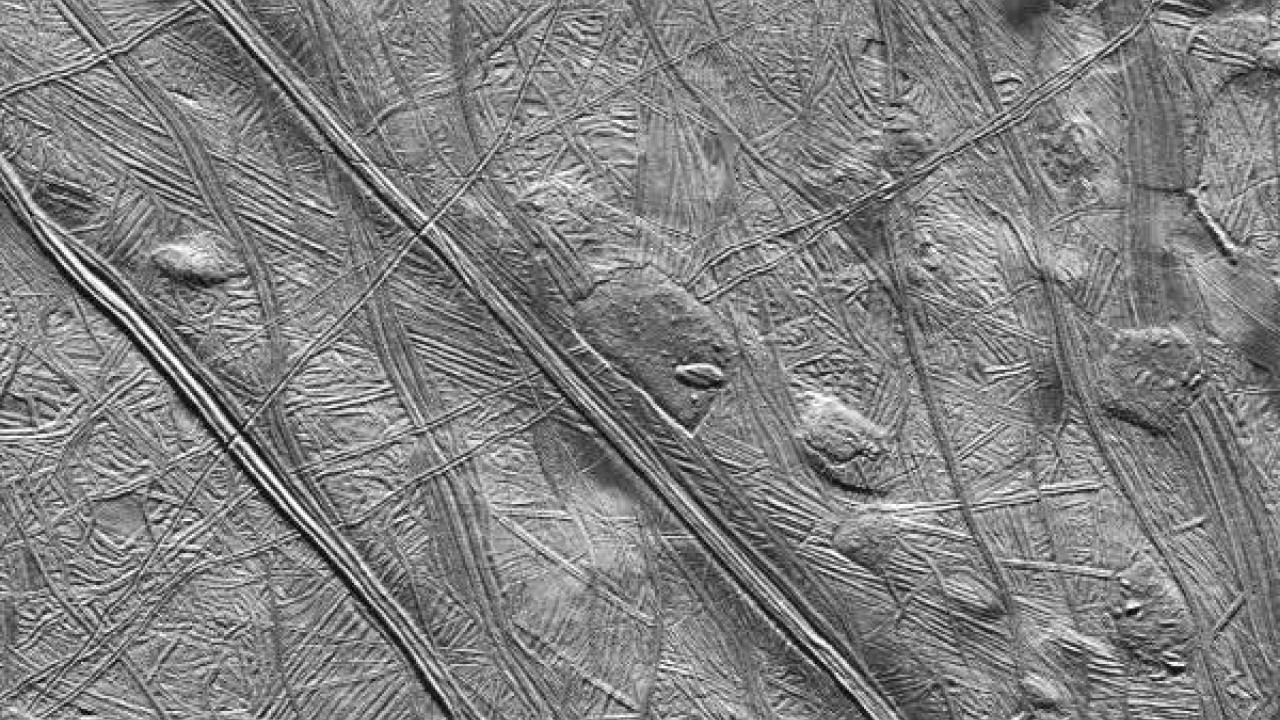
Frozen Lava Domes on Europa Might Provide Future Habitats!
Europa is a fascinating world, with a thick ice shell above an ocean of liquid water. It's one of the best places to search for life, but there are significant challenges, from deadly radiation to extreme cold. In a new presentation, researchers proposed that there are cryovolcanic domes on the surface of Europa, the sites of ancient cryovolcanic eruptions. These could provide insights into the interior of Europa and even provide shelter for exploration.
Read the full story by Mark Thompson

Failing to Find Life Tells Us a Lot About Life in the Universe
We know of a few thousand exoplanets, but very few are in the habitable zone, and none are perfect analogs for the Earth. But we will find some over time, eventually knowing of dozens of "other Earths." But what if we fail to find any obvious signs of life in the atmospheres of those worlds? According to a new paper, researchers predict that scanning 40-80 exoplanets and finding no life dramatically decreases our predictions for life in the Milky Way.
Read the full story by Carolyn Collins Petersen
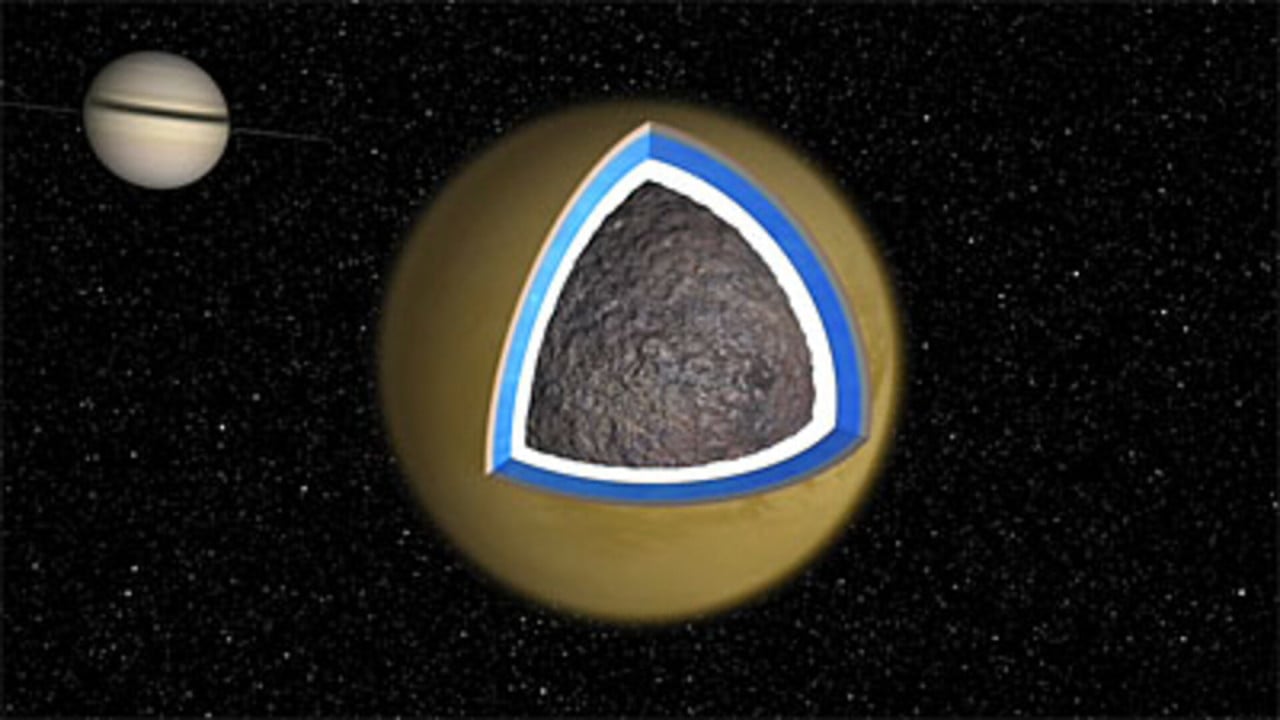
How Crater Shapes Are Revealing More About Titan's Icy Crust
Titan is the whole package. It has a rocky core surrounded by a liquid ocean with an icy shell. The surface has a thick nitrogen atmosphere and abundant organic molecules in a thick slush methane layer. The thickness of the methane is still unknown, so planetary scientists have developed a clever way to calculate its depth. They developed a simulated surface and hit it with simulated impactors until they got crater shapes that matched Titan's actual surface.
Read the full story by Mark Thompson
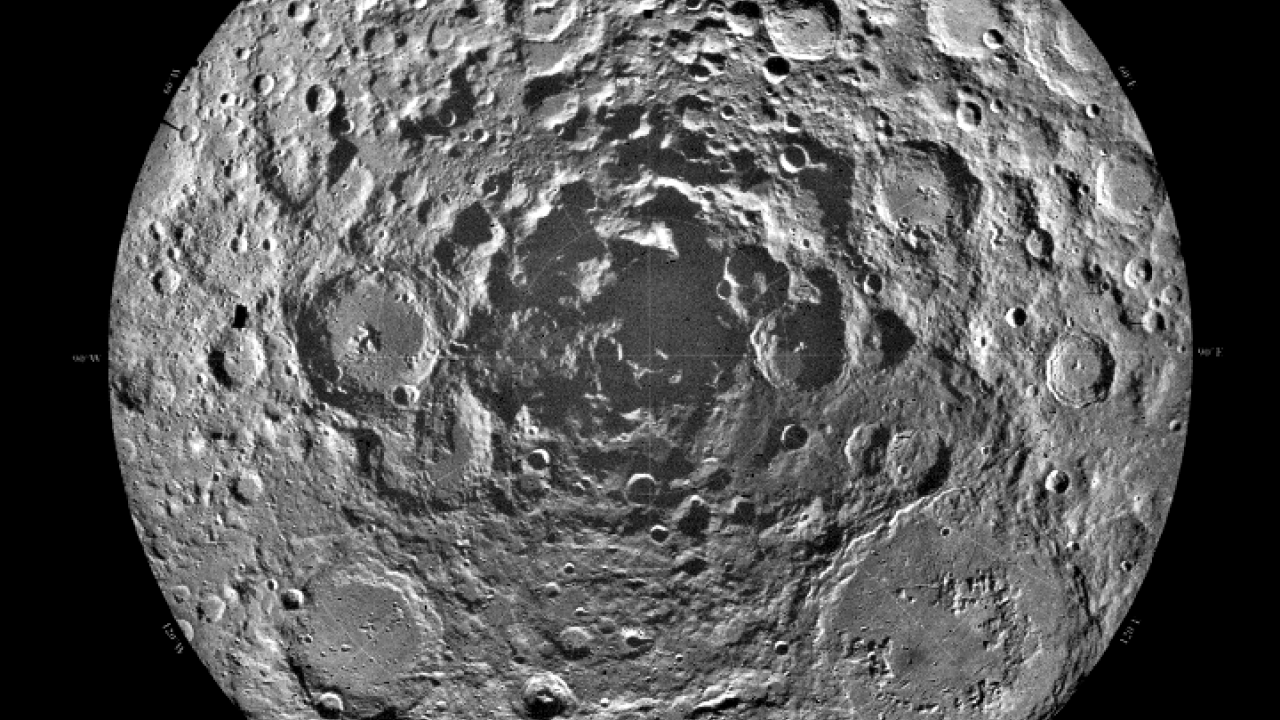
Preserving Life's Blueprint Beyond the Earth
Earth is losing species at an alarming rate. What could we do to preserve the cells of plants and animals so that we could restore them in the future? In a new paper, scientists propose a lunar biorepository, where living cells could be preserved at extremely cold temperatures. It takes a lot of energy on Earth to reach -196°C, but temperatures almost get that cold on the Moon naturally. The researchers propose that permanently shadowed craters would be ideal.
Read the full story by Mark Thompson

The Most Metal Poor Stars are Living Fossils From the Beginning of the Universe
The Sun is a third-generation star, comprised not only of hydrogen and helium but of the additional metals created in previous generations of stars. But astronomers have found examples of stars with a fraction of the metals in the Sun, which they classify into different categories. The least metallic stars, designated "ultra metal-poor," have an iron to hydrogen ratio of 1/10,000th the Sun, giving a glimpse of what the first-ever stars might have looked like.
Read the full story by Brian Koberlein
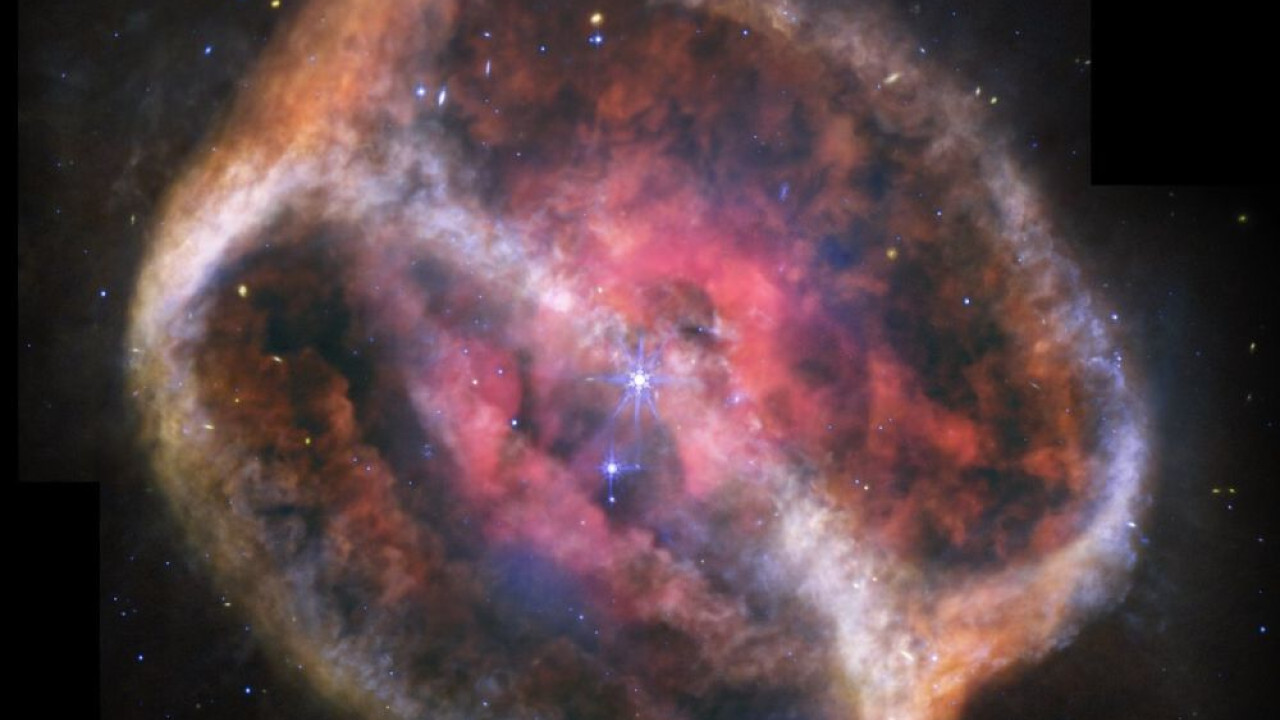
The JWST Examines an Enigmatic, Ringed Nebula
You're looking at an amazing picture of the planetary nebula NGC 1514, first discovered in 1790 by William Herschel. It's a popular target for many different ground and space telescopes over the years, but we've never seen one as crisp, clear, and highly detailed as this incredible image from James Webb. You can see the rings are clearly defined, with both filamentary and clumpy detail in the nebula. Is this what our Sun will look like when it dies?
Read the full story by Evan Gough

Protocol for an Asteroid Strike, China Overtaking NASA, Mining the Moon | Q&A 312
What is the international protocol for a potential large asteroid striking the Earth? Will China's space program soon surpass NASA? Can we feasibly mine the Moon for Helium-3? Also, in our free Q&A+ version on Patreon, what will be my next favorite telescope after Gaia is gone? I will answer all these questions and more in this Q&A show.

Roadmap for Obtaining First Sample Returns From Mercury and Venus
Scientists have a few tantalizing samples of asteroids, comets, and the Moon, but they want more. What about the inner planets, Mercury and Venus, which are extremely difficult to reach and return from, and no meteorites from those planets have ever been found? Researchers have proposed what it would take to retrieve samples from Venus and Mercury. They considered nuclear propulsion systems, balloon-based technologies, and various multi-stage missions.
Read the full story by Laurence Tognetti, MSc
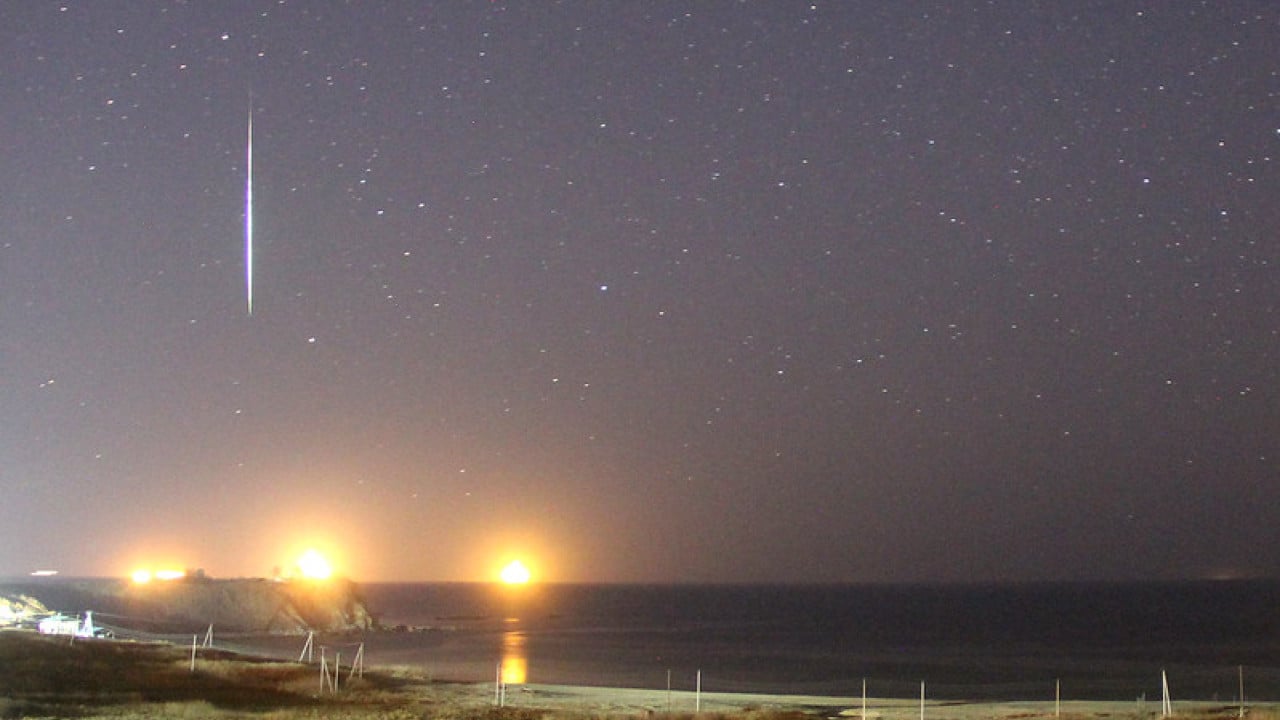
April Flowers, Bring Meteor Showers: Catch the April Lyrid and Eta Aquariid Meteor Showers
If you've got clear skies this weekend, keep an eye on the skies, and you could see the Lyrids meteor shower. These originate from the constellation Lyra, near the star Vega, but can be visible anywhere across the sky. It's a good year for them since the Moon will be below the horizon for most of the evening, only rising a few hours before sunrise. The peak is April 21st at 3:00 UT, and we could see 15-20 meteors an hour. Good luck!
Read the full story by David Dickinson
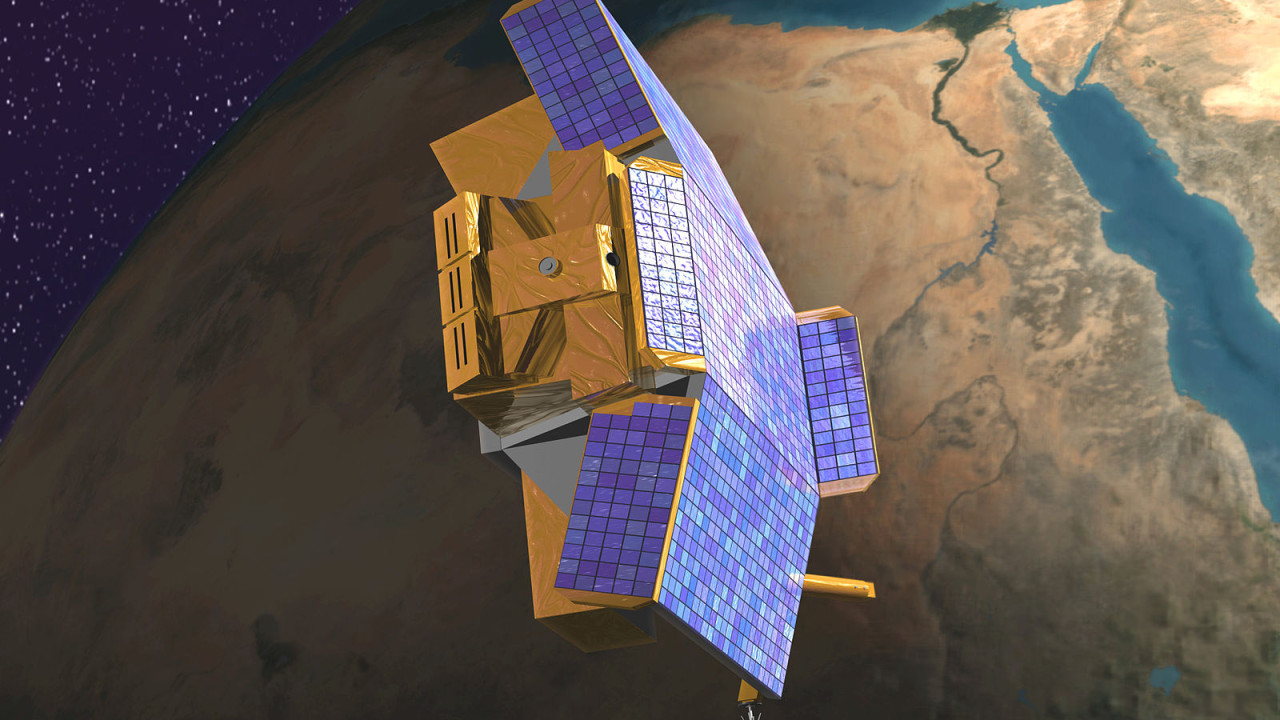
How Astronomers Mapped the Interstellar Medium - And Discovered The Local Bubble
The space between stars is known as the interstellar medium. It's an incredibly diffuse but incredibly hot plasma. Most of the medium is hydrogen and helium, but there are heavier elements and dust floating between the stars. In 2003, NASA launched the CHIPS mission to map the interstellar medium and found that there was surprisingly little radiation coming from the medium. This told us that the Solar System is part of a low-density region called the Local Bubble.
Read the full story by Paul Sutter

It's Time to Build a Space Telescope Interferometer. This Could be the First Step
Interferometry connects multiple telescopes into a single large telescope with higher resolution. It works on Earth, but an interferometer space telescope has always been a dream, with NASA's Terrestrial Planet Finder getting canceled decades ago. There's too much technical risk. A new research paper proposes a scaled-down, ultraprecision formation flying mission called SILVIA, which would test the key technology to enable future interferometer space telescopes.
Read the full story by Brian Koberlein

A New Version of the Sombrero Galaxy, Taken by Hubble
One of the most iconic images ever taken by Hubble is NGC 346 (M 104), also known as the Sombrero Galaxy. This is a beautiful galaxy seen nearly edge-on—just 6 degrees off—with its central bulge and a prominent outer disk. The central supermassive black hole contains 9 billion times the mass of the Sun; that's 2,000 times more massive than the Milky Way. Astronomers still haven't officially classified the Sombrero; it's just "peculiar" and awesome.
Read the full story by Andy Tomaswick
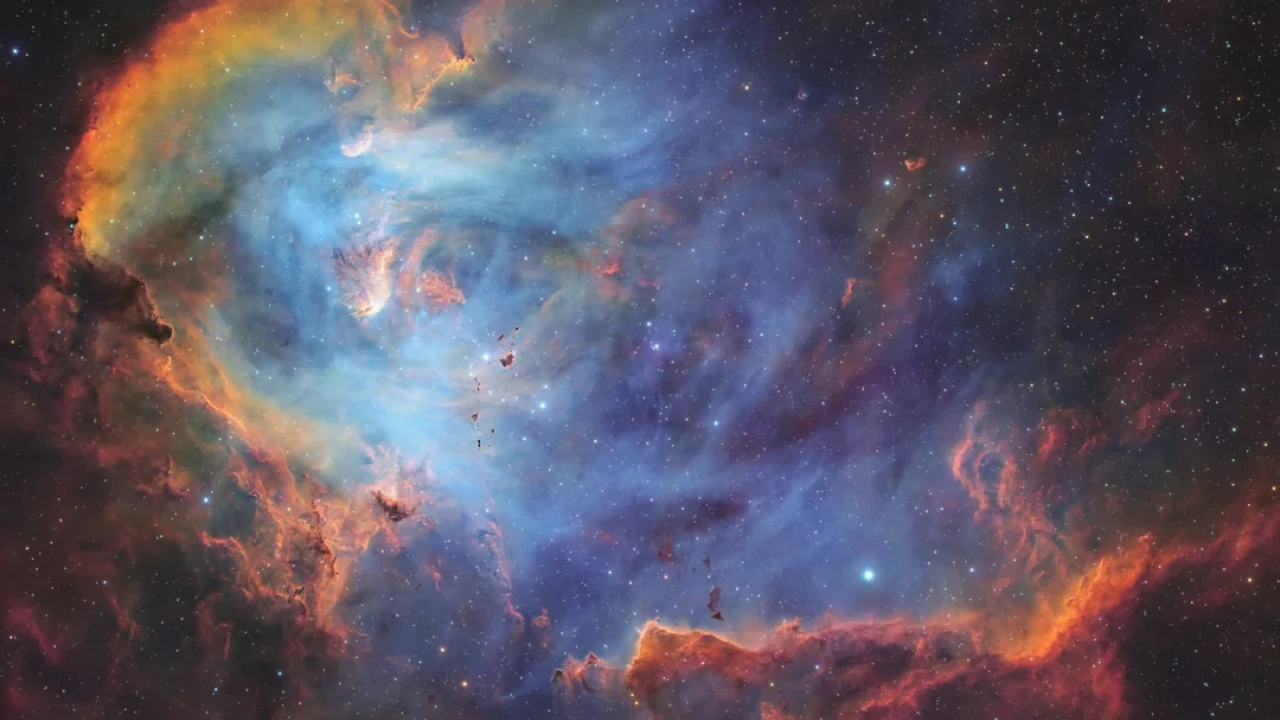
Magnetic Fields Can Map the Universe - Here's How
Astronomers have some clever tricks to map the structure of the Universe, including using magnetic fields. There are grains of dust floating within all galaxies, and each one has a magnetic field associated with it. When light passes through the fields, they affect the light, changing its polarization. Astronomers can map the polarization of the light and detect the presence, direction, and strength of the magnetic field in the region.
Read the full story by Paul Sutter

An Interesting Solution to the Hubble Tension: The Universe is Slowly Spinning
Astronomers continue to study the mismatch in the expansion rates of the Universe at different times: the Hubble tension. There have been many possible explanations, from measurement errors to changing levels of dark energy. In a new paper, researchers propose a novel solution: that the Universe is slowly spinning. If the Universe rotated once every 500 billion years, that would change how space expands over time, explaining the speed mismatch.
Read the full story by Brian Koberlein

Origin of Oumuamua, Upside Down Venus, Space Station Made of Starships | Q&A 313
Did we ever find out which star Oumuamua came from? Will there be a space station made of Starships? Why is Venus rotating upside down compared to all other planets? And in our free Q&A+ version on Patreon, does life on Earth require the Moon? Answering all these questions and more in this Q&A.

A Hole Opened Up in the Sun's Corona and Vented Helium-3
Helium-3 is a rare isotope emitted by the Sun, and it's very scarce in the Solar System. It's estimated that there's only one He3 atom for every 2,500 He4 atoms. But solar jets can boost the amount of He3 to 10,000 times its usual concentration. ESA's Solar Orbiter mission was recently bathed in He3, recording a 200,000-fold increase of the rare isotope because it was accelerated to higher speeds than other heavier elements by a jet emerging from a coronal hole.
Read the full story by Laurence Tognetti, MSc
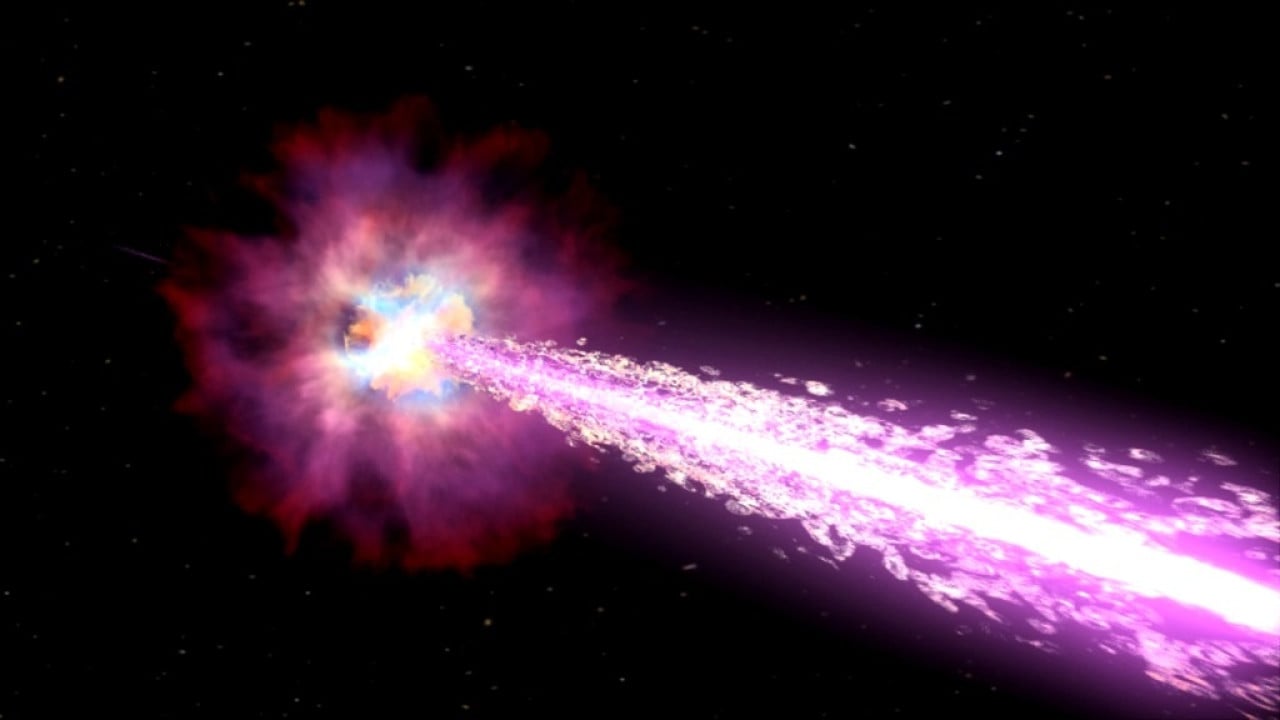
Using Gamma-Ray Bursts to Probe Large Scale Structures
Gamma-ray bursts are some of the most powerful explosions in the Universe, briefly outshining the combined light of their entire galaxies. A team of astronomers has figured out a clever technique to use the light from gamma-ray bursts as bright lights that allow them to map out the large-scale structure of the Universe at different ages after the Big Bang. They found that the Universe might be less uniform at large scales than previously thought.
Read the full story by Matthew Williams

Astronomers Push Webb to its Limits to Visualize the Most Distance Galaxies Of All!
When JWST launched, it found the most distant known galaxy: JADES-GS-z14-0, with a redshift of 14.32, and seen about 290 million years after the Big Bang. Now, a team of astronomers has gone even deeper, searching for galaxies in the redshift 15-30 range, which would be galaxies from 270 to 100 million years after the beginning of the Universe. They've found a few candidates in the 15-20 range, but these could be closer, low-mass dusty galaxies.
Read the full story by Matthew Williams

A Nuclear-Powered Spacecraft Could Send Humans to Titan to Look for Signs of Life
Sending a human mission to Titan sounds like science fiction, but with a nuclear-powered rocket, we could complete the trip in a fraction of the time that it would take a traditional chemical rocket. In a new paper, researchers propose that next-generation propulsion systems could complete the 8.5 AU journey to Titan and back in just 2.6 to 3 years. Although the crew would experience a heavy space radiation load for the journey, it's similar to a Mars mission.
Read the full story by Matthew Williams
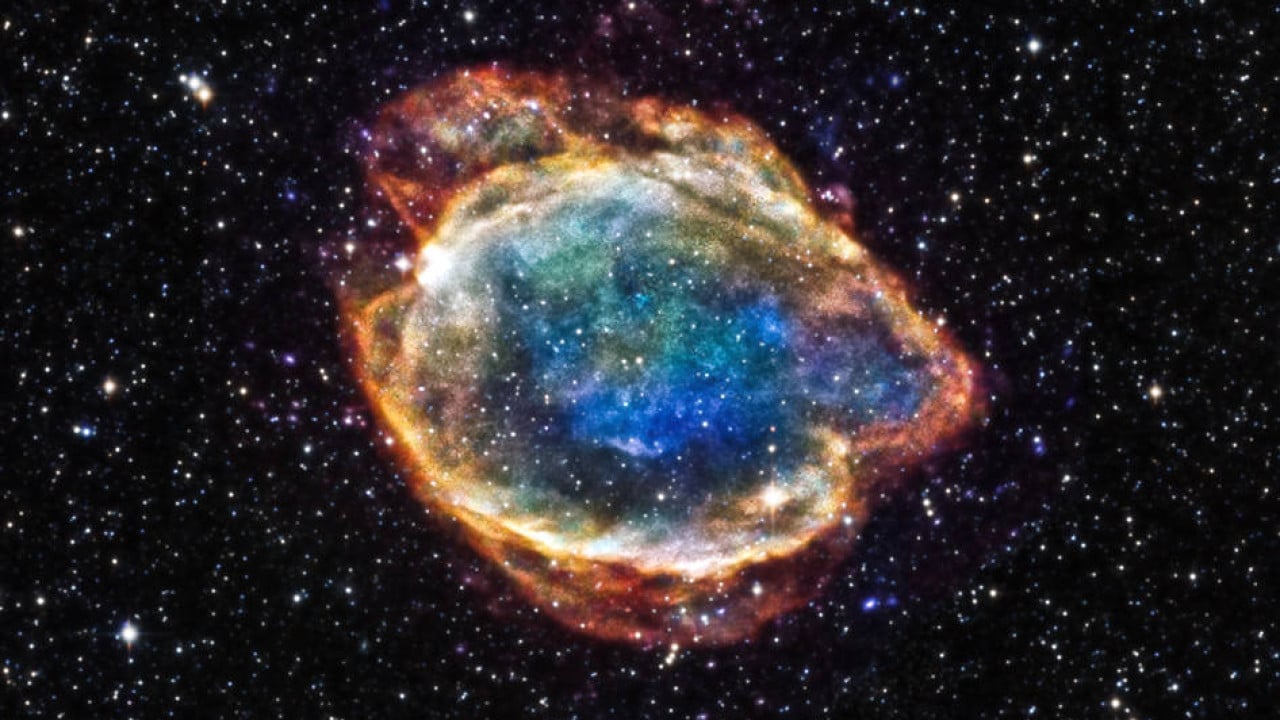
What Blew Up the Local Bubble?
The Solar System is surrounded by an elongated region that has a lower density than the average of the Milky Way. This is known as the Local Bubble, and it measures about 1,000 light-years across and has a density of about 1/10th of the rest of the Milky Way. What caused this? One supernova couldn't get the job done, but astronomers calculate that hundreds or even thousands of stars going supernova would be able to clear out our region.
Read the full story by Paul Sutter
Other Interesting Space Stuff
- Preparing for the Greatest Cosmic Movie Ever Made
- Tuesday Telescope: Is the James Webb Space Telescope Worth $10 Billion?
- Should we Settle Mars, or is it a Dumb Idea for Humans to Live off World?
- Mysterious Objects From Other Stars are Passing Through our Solar System. Scientists are Planning Missions to Study Them up Close
- Science's Best Answer to "Where did the Universe Come From?"
- New Form of Dark Matter Could Solve Decades-old Milky Way Mystery
- Science's Value, Unlike NASA, Cannot be Destroyed by Politics
- Indicators of Alien Life may Have Been Found – Astrophysicist Explains What the new Research Means
- Ask Ethan: What Right do we Have to Colonize Other Worlds?
Thanks!
Fraser Cain
Publisher
Universe Today
As always, if you have comments or questions, or suggestions on how I can improve this newsletter, please don't hesitate to reply this email or email me at info@universetoday.com.

This work is licensed under a Creative Commons Attribution 4.0 International License.
Click here to Unsubscribe from this list.
Universe Today - #3400 333 Hunt Road - Courtenay, BC V9N 3R6 - Canada
