
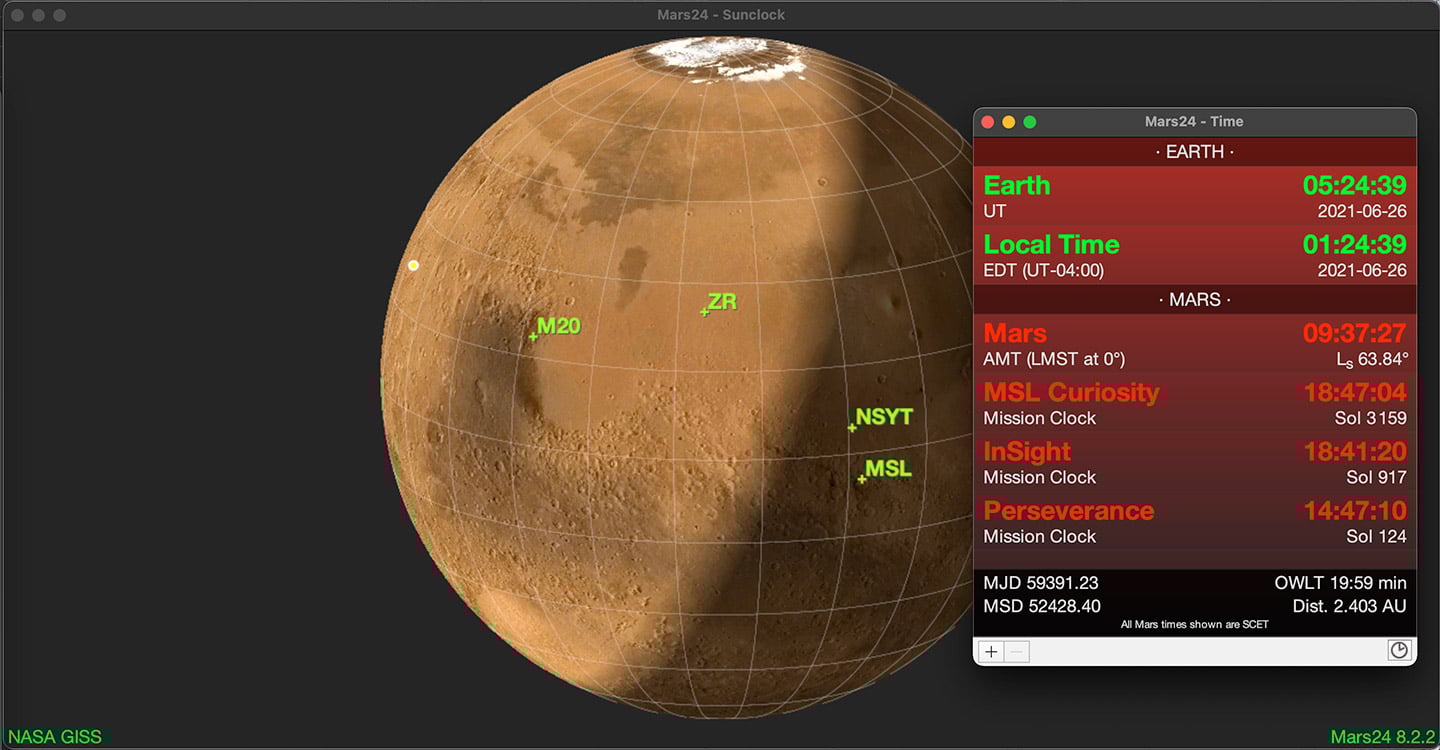
What time is it? It depends on your timezone, Daylight Saving Time, and more. If there's one standard time for Planet Earth, that would be UTC or Coordinated Universal Time, an agreed-upon standard based on International Atomic Time set by hundreds of atomic clocks. But what time is it on Mars? It has a different day length and even a different gravity well that would cause atomic clocks to drift thanks to relativity. Now, researchers are proposing a solution called Martian Standard Time.
Read the full story by Brian Koberlein
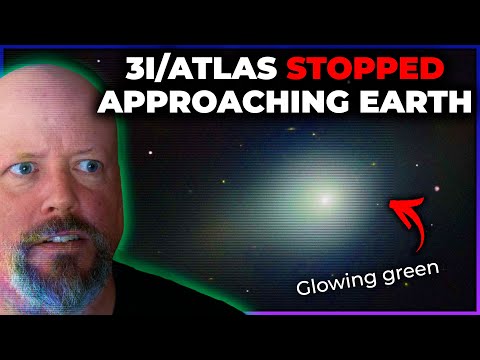
3I/ATLAS makes its closest approach to Earth; a new independent way to measure the Hubble constant; are Uranus and Neptune actually rock giants? Jared Isaacman is the new NASA administrator. And in Space Bites+, astronomers search for the black hole in the Omega Centauri cluster.
Read the full story by Fraser Cain
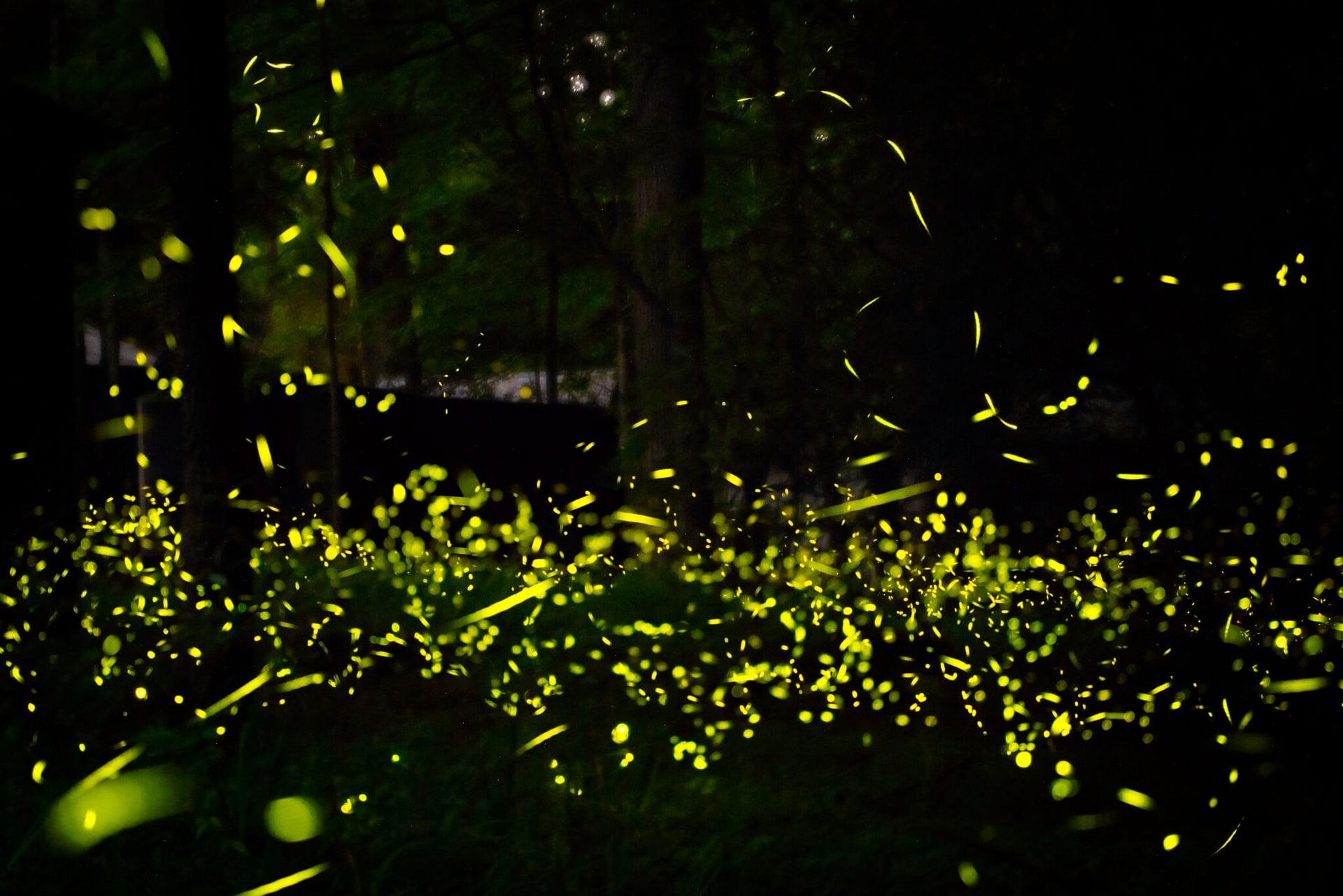
The search continues for any evidence that we're not completely alone in the Milky Way, and this includes scanning the sky for signals from intelligent civilizations (SETI). In a new paper, researchers consider the communication systems of fireflies, which have flash patterns that allow them to distinguish between one another while avoiding predators. Civilizations could create a radio wave pattern that optimizes for sending out the brightest signal with the greatest energy efficiency.
Read the full story by Matthew Williams

NASA's Parker Solar Probe continues to get closer and closer to the Sun, revealing new details about how it interacts with its surroundings. Recently, the spacecraft identified tiny dark, tadpole-like shapes that appear to be swimming back toward the Sun. These are part of magnetic loops that break and send the energy back towards the Sun while other parts are hurled into space. These are called inflow swarms and can be larger than the Earth and might play a critical role in predicting solar storms.
Read the full story by Andy Tomaswick
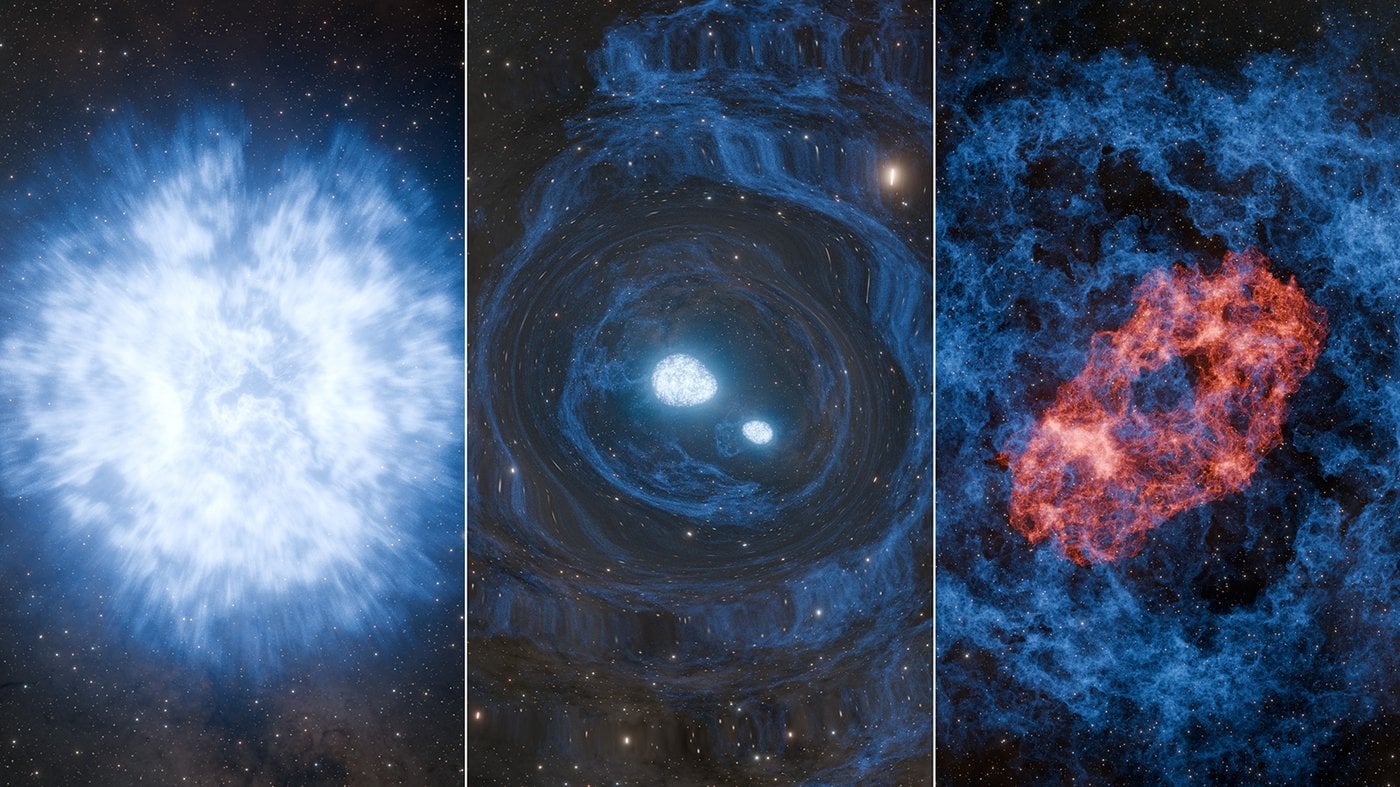
When a massive star dies, it explodes as a supernova, leaving behind a neutron star or black hole. Two colliding neutron stars create a kilonova. Now, astronomers think they might have found a rare combo superkilonova. It was first detected by LIGO in August, 2025 and then follow-up observations showed an explosion that was evolving to look more like a supernova. It's possible that the collapsing star split into two neutron stars which then collided, producing the gravitational waves.
Read the full story by Scott Johnston
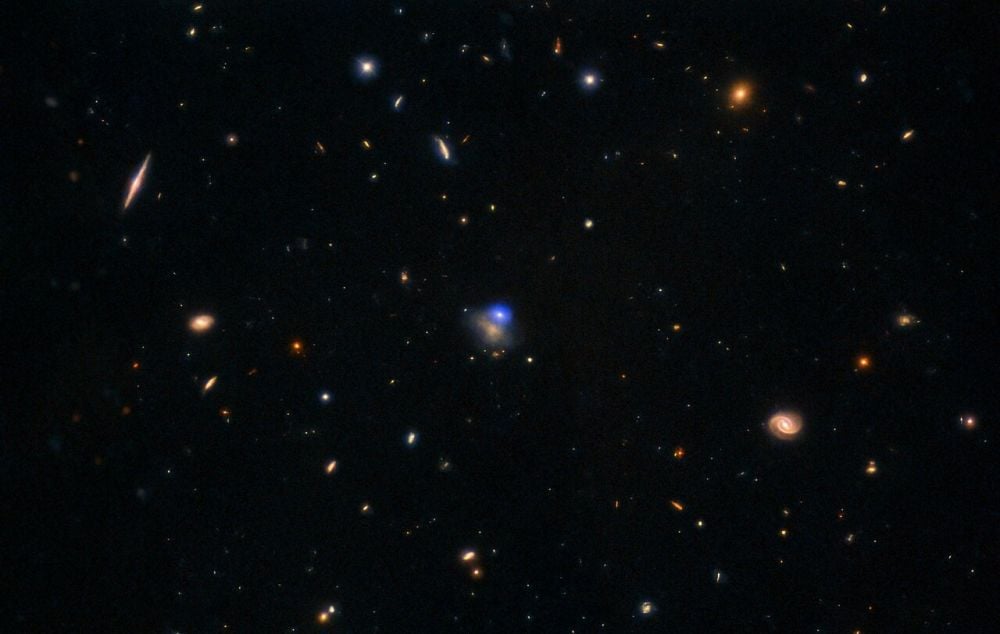
One rare type of astronomical object is known as a Luminous Fast Blue Optical Transient (LFBOT), which are seen as a flash of blue and UV light. Only a dozen have ever been observed, and astronomers are wondering what causes them. A new paper suggests that they're connected to black holes, caused by a tidal disruption from a star getting too close and getting torn up. One bright example was probably a 100 solar mass black hole completely shredding a stellar companion.
Read the full story by Evan Gough
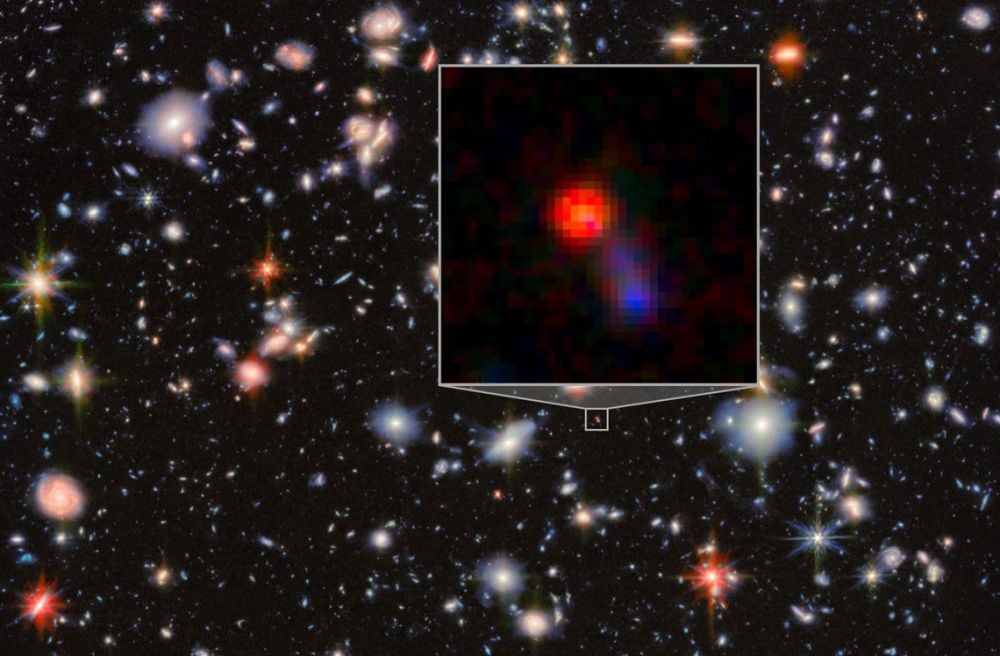
Sometimes you can only work out a galaxy's special characteristics in a particular light. Seen in optical and ultraviolet light, the galaxy Virgil looks totally normal. But seen in the farthest infrared that JWST is capable of, the object becomes a raging, ravenous monster. It's an example of a "Little Red Dot," a new class of objects found when the Universe was less than 1.6 billion years old. Virgil appears to be pouring out radiation from its supermassive black hole, providing clues to its nature.
Read the full story by Evan Gough
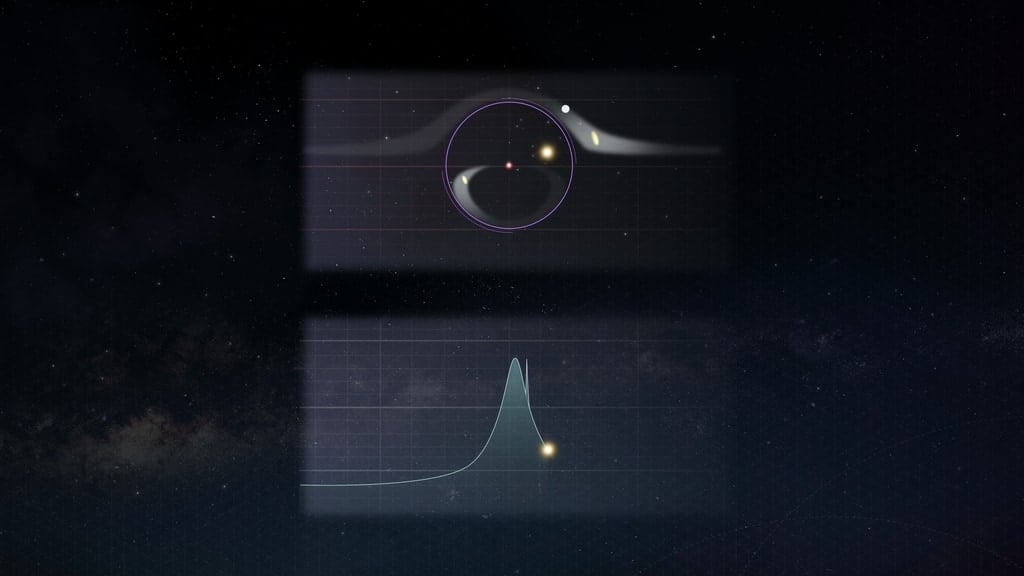
Now that the Nancy Grace Roman Telescope is complete and being prepared for a 2026/2027 launch, astronomers are getting excited about the possibilities that it might unlock. One interesting avenue is how it'll help discover multiplanetary exoplanet systems using microlensing. This is when a star passes behind a foreground star, bending its light. Slight fluctuations will reveal planets around the foreground star, and Roman will be extremely good at it.
Read the full story by Andy Tomaswick

Interstellar comet 3I/ATLAS has reached its closest point to Earth on December 17th, and you know astronomers are taking advantage to get their best pictures. Here's an image from the Gemini North Telescope, located in Hawaii. It has revealed how the comet is surrounded by a greenish coma that indicates diatomic carbon is heating up. This is a common molecule in comets that's extremely reactive, but takes some time after getting heated by the Sun before it outgasses. Now, the comet will continue on into deep space, fading away.
Read the full story by Evan Gough
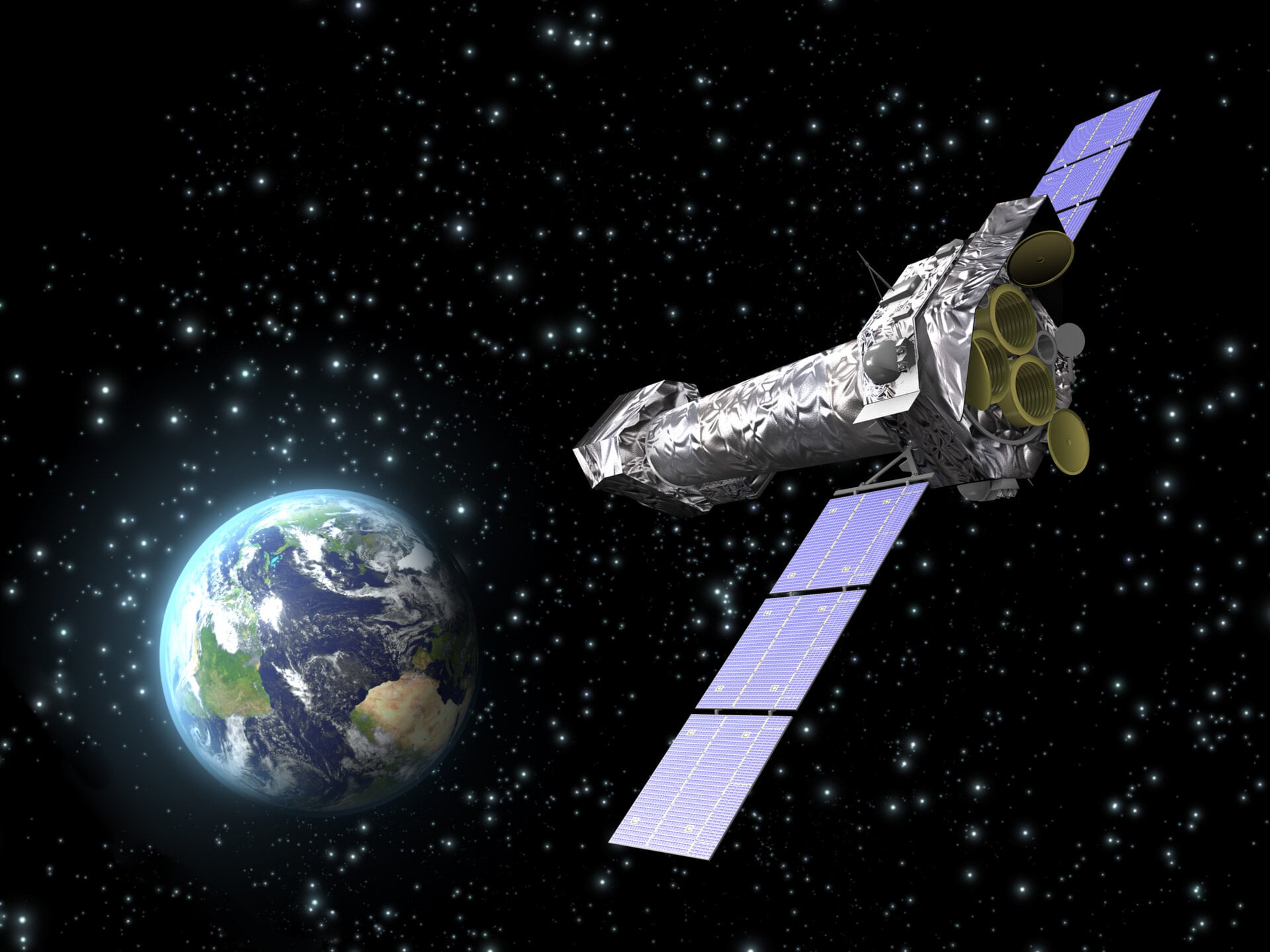
It's not just visible/infrared telescopes watching 3I/ATLAS; telescopes using other wavelengths are getting into the game. ESA's XMM-Newton X-Ray Observatory recently turned its gaze on the interstellar object, revealing its ghostly glow in X-rays. It's not as vivid as visible light, but you're seeing interactions with diatomic hydrogen and nitrogen with the solar wind. It allows astronomers to detect gases that other instruments can't easily spot.
Read the full story by David Dickinson
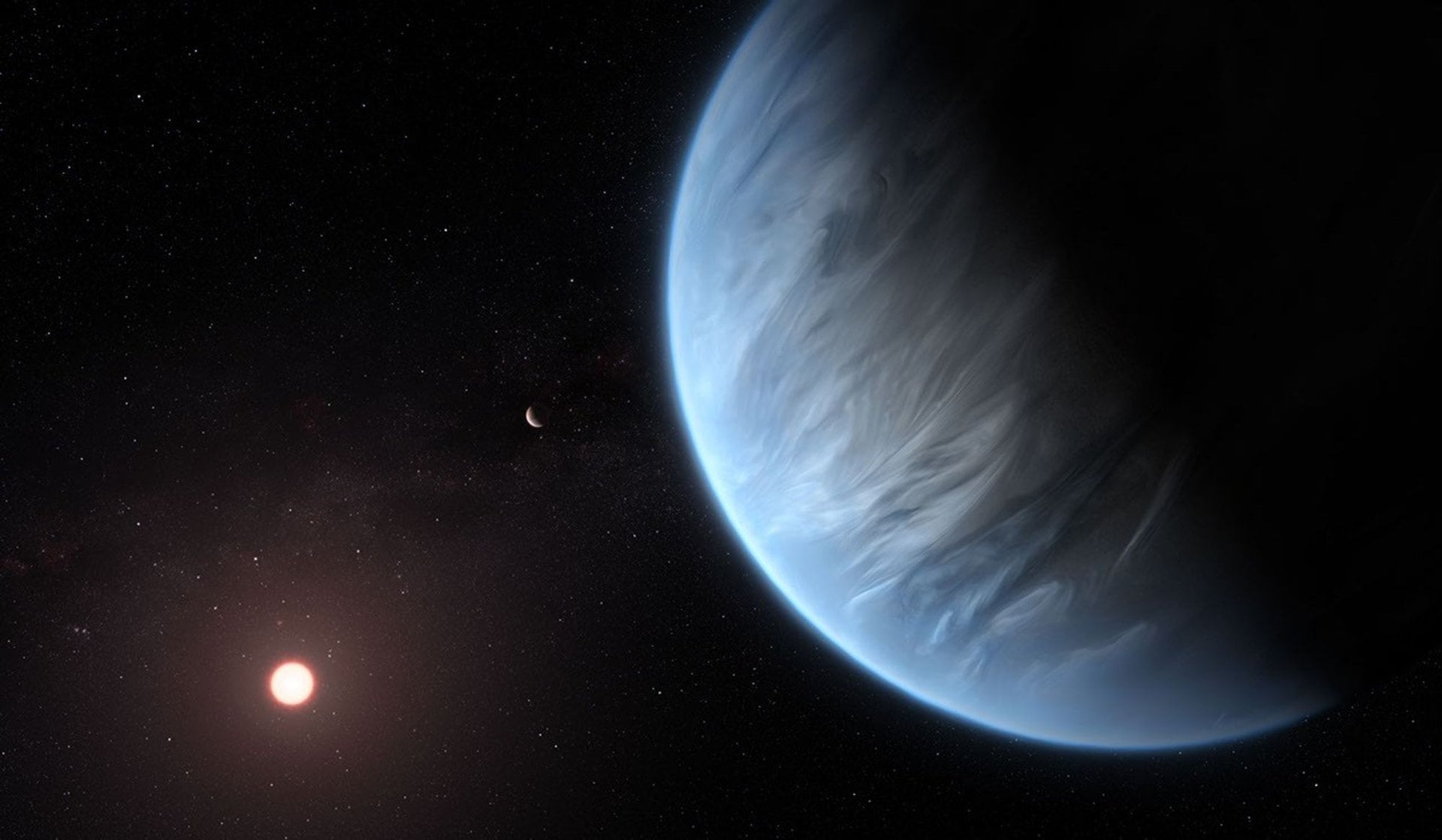
There's a class of worlds that could have a thick hydrogen atmosphere surrounding a deep ocean of liquid water. Known as hycean worlds, the best example might be K2-18b, which also has methane and carbon dioxide in its atmosphere. A new paper suggests that a more likely explanation is that these planets are almost all made of molten lava instead. The chemistry on a lava world matches an ocean/hydrogen world, surprisingly, where molten rock allows for carbon dioxide and methane but absorbs ammonia.
Read the full story by Andy Tomaswick
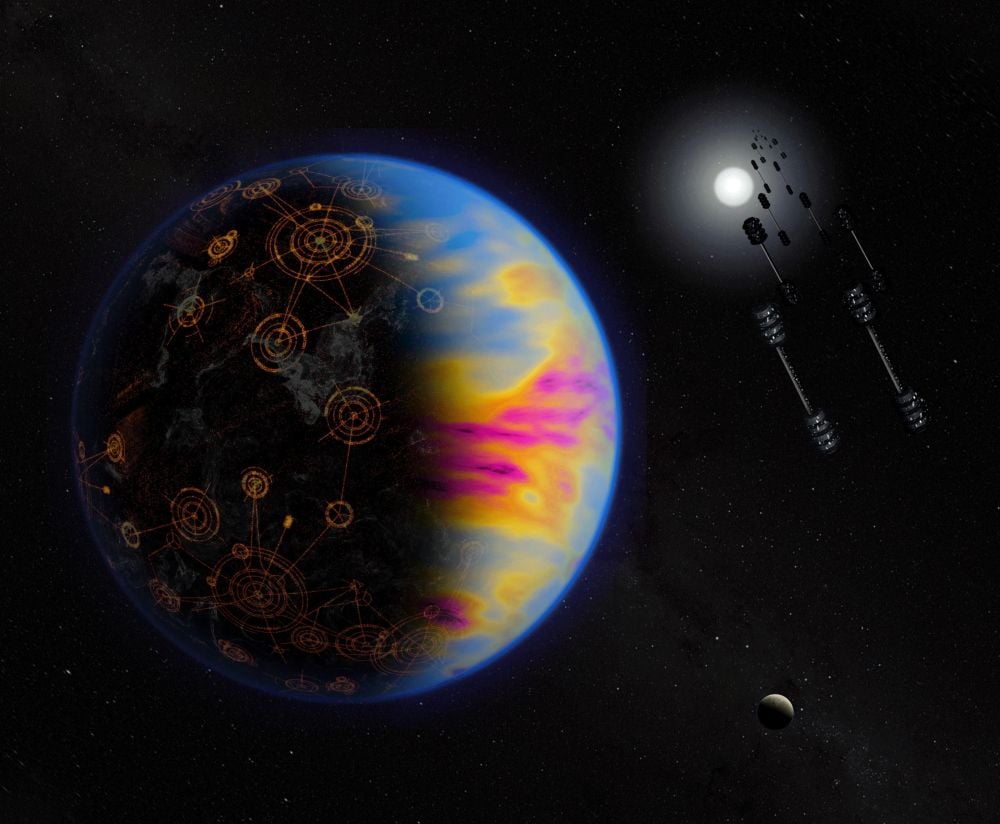
Science fiction has been preparing us for that first contact with another civilization. Perhaps they arrive in their warships or we receive signals from an advanced civilization. In a new paper, astronomer David Kipping explains why the first aliens we find will probably be loud. The first detection of any astrophysical object is unusually "loud," such as the first hot jupiter exoplanets or energetic quasars. It wasn't until we had better instruments and techniques that we gained a better census of what's really out there.
Read the full story by Evan Gough
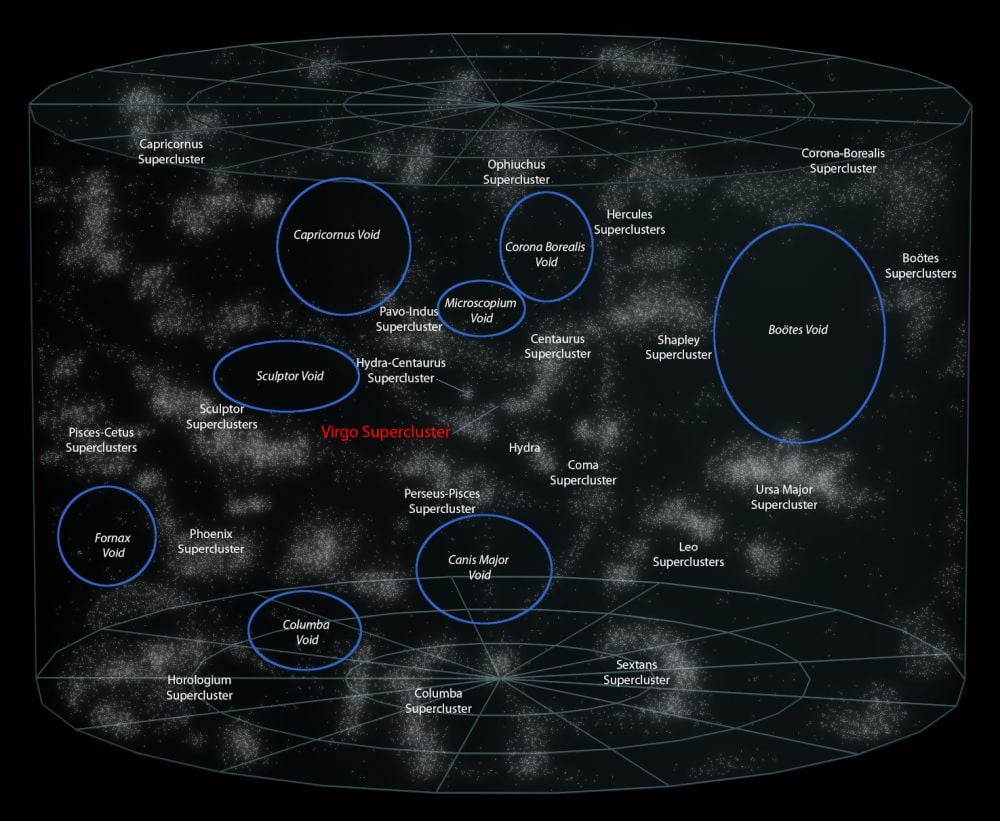
The Nancy Grace Roman Telescope is due to launch in 2026/27, and when it does, it'll give us the best view of the biggest nothings in the Universe. These cosmic voids are the gaps opened up by the large-scale structure of the Universe as it continues to expand. They can be hundreds of millions of light-years across. And when Roman gets going, it could find tens of thousands of voids, some of which will be down to 20 million light-years across.
Read the full story by Evan Gough
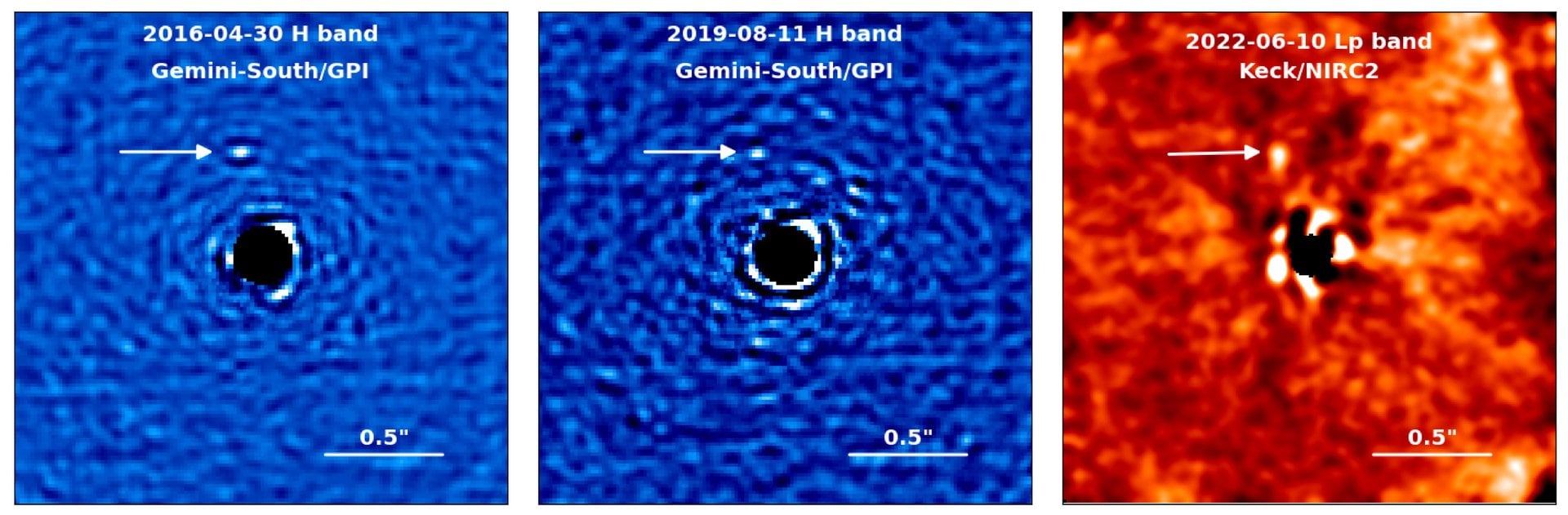
Astronomers have made direct observations of a planet orbiting around two stars. The discovery was made using the Gemini Planet Imager, which was designed to directly image exoplanets by blocking the light from the central star and revealing the fainter planets nearby. This planet has 6 times the mass of Jupiter and orbits a pair of stars at a distance of 60 AU, which is farther than the orbit of Pluto. It takes about 300 years to orbit the stars.
Read the full story by Andy Tomaswick

Which of our current space travel methods are the fastest? Is it better to spend a week in orbit or on the Moon? What would happen if we nuked the Moon? And in Q&A+, which animal would handle 0G the best?
Read the full story by Fraser Cain
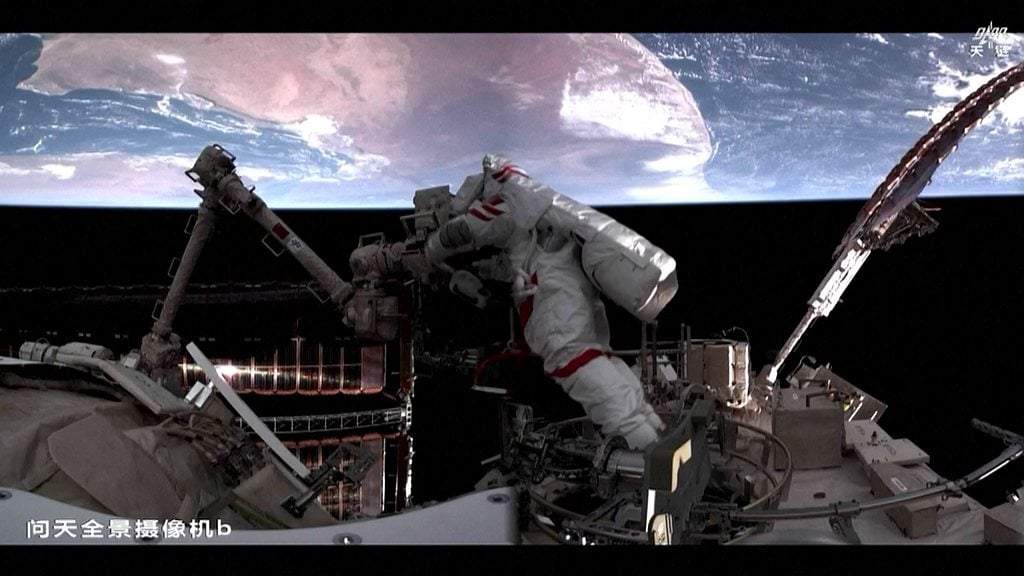
The crew of the Chinese Space Station recently tested out some new spacesuit designs. The Shenzhou-21 crew donned the newly delivered D and E spacesuits, second-generation EVA suits, and went outside to install debris protection devices on the station. It's expected that these suits will allow the taikonauts to complete 20 EVAs within four years of service, which upgrades the previous standard of 15 EVAs over three years.
Read the full story by Matthew Williams
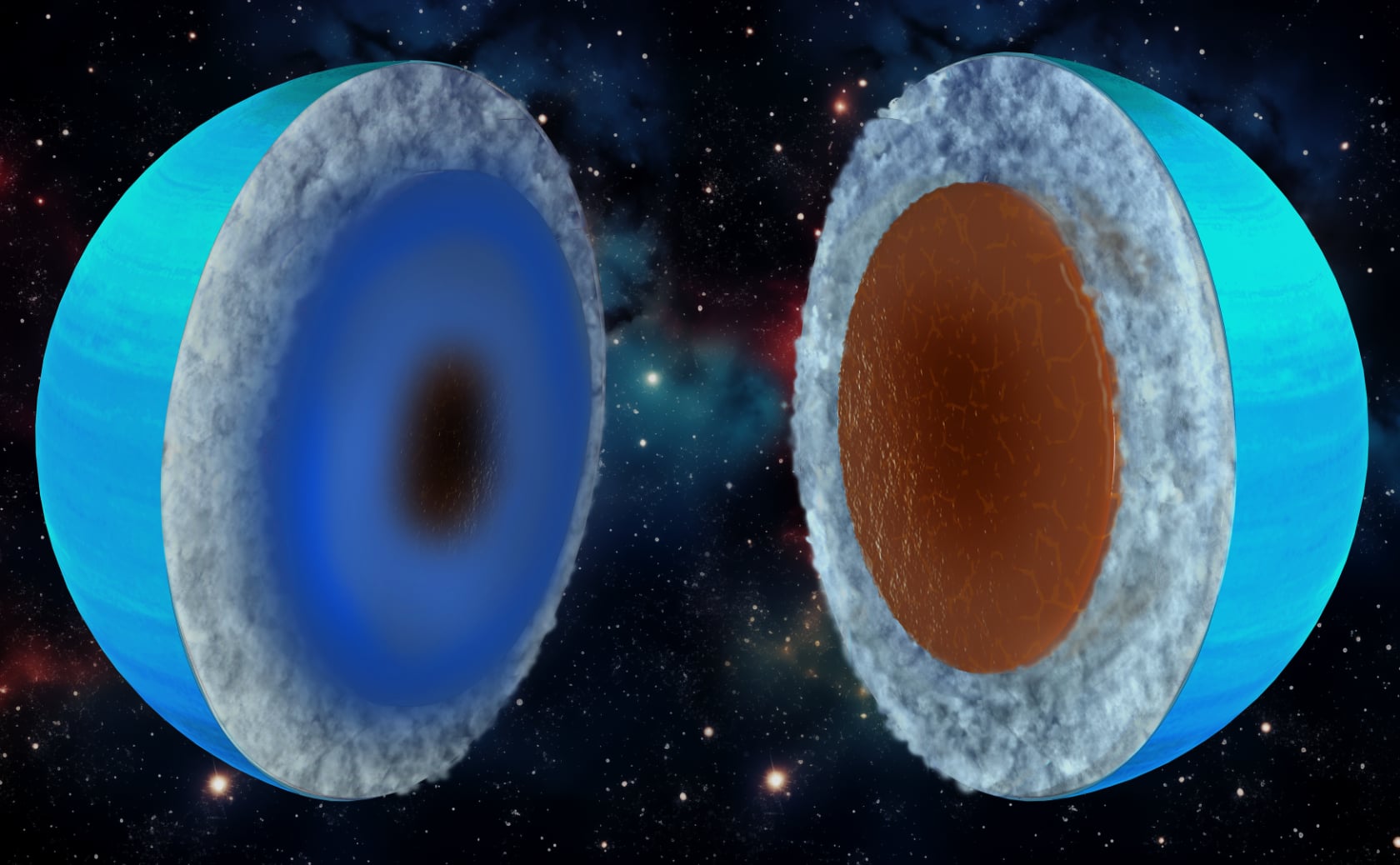
Uranus and Neptune are classified as "ice giants" because their interiors contain large amounts of water and other volatiles. According to a new paper, they might actually be rock giants, with an interior of rocky material surrounded by water ice and other compressed gasses. Researchers simulated a range of interior structures and then compared them to the gravity fields that Voyager 2 experienced as it flew past. An interior structure of mostly rock matched the readings and also helps explain the planets' magnetic fields.
Read the full story by Matthew Williams
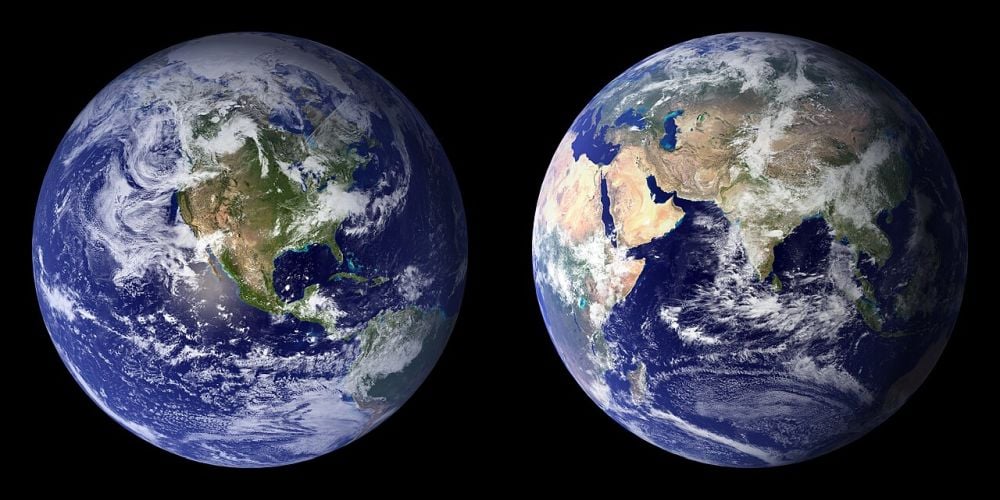
The Earth didn't always have the oxygen-rich composition we enjoy today. But photosynthetic organisms evolved and expelled oxygen as a waste gas, building up the atmosphere. This is known as the Great Oxygenation Event. It's estimated that it began 2.46 billion years ago and ended 2.06 billion years ago, but shallow oceans contained significant oxygen levels 2.32 billion years ago. This means that oxygen found its way into the oceans pretty quickly, geologically speaking.
Read the full story by Evan Gough
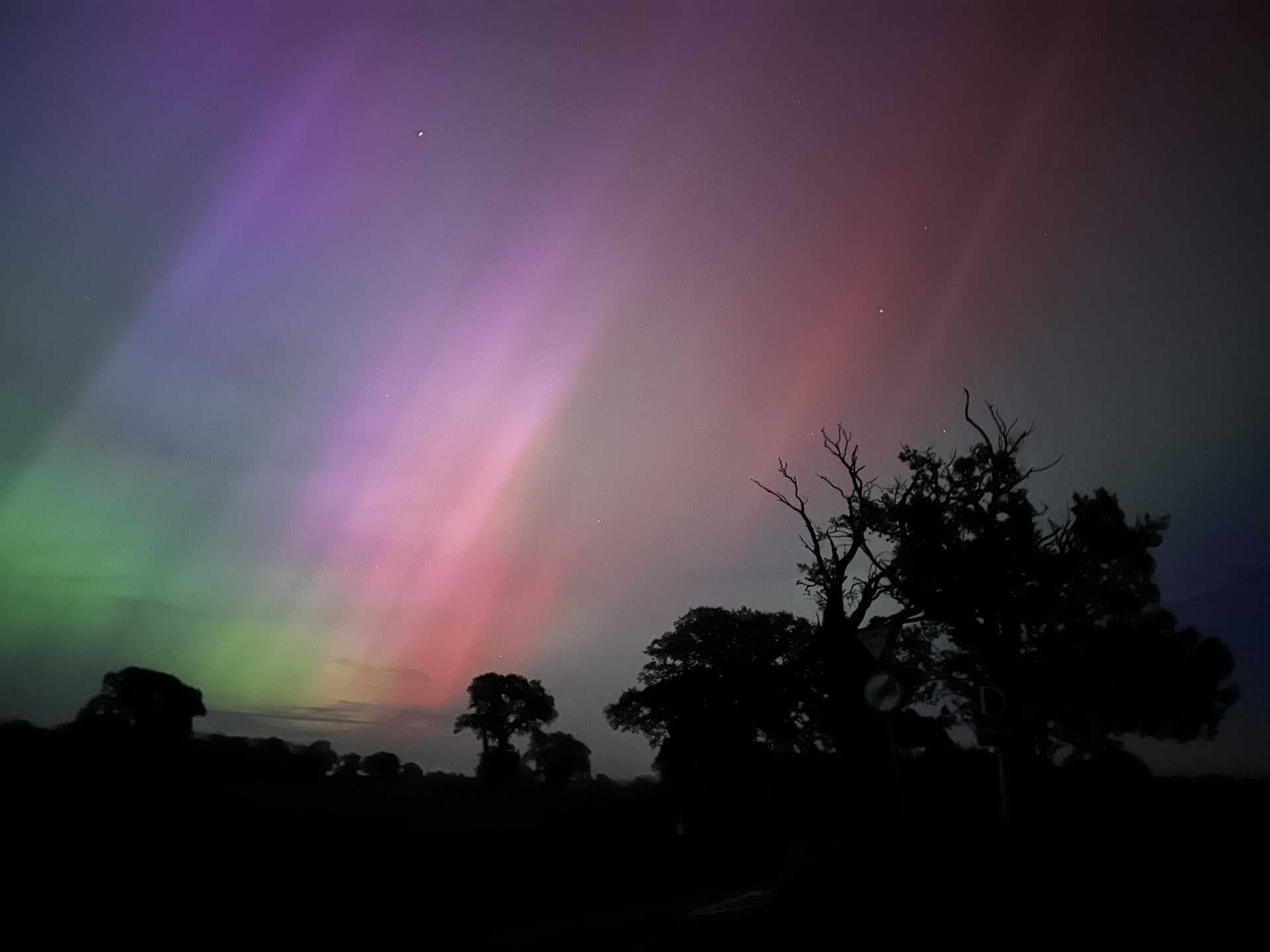
Chasing auroras is tricky business. You can get a prediction that there could be aurora activity in your area, but it's hit or miss. Now, researchers have detected a radio signal that appears in the sky that indicates auroral activity is about to begin. The key comes from auroral beads, which are a common sighting right before an aurora begins. These are substorms caused by the accumulation and then release of magnetic energy stored in the Earth's magnetosphere, and release radio waves that can be detected.
Read the full story by Mark Thompson

[Interview+] No YT ads https://www.patreon.com/collection/44300 CHARA Array interview: https://youtu.be/HVg8DT7js9o We ...
Read the full story by Fraser Cain
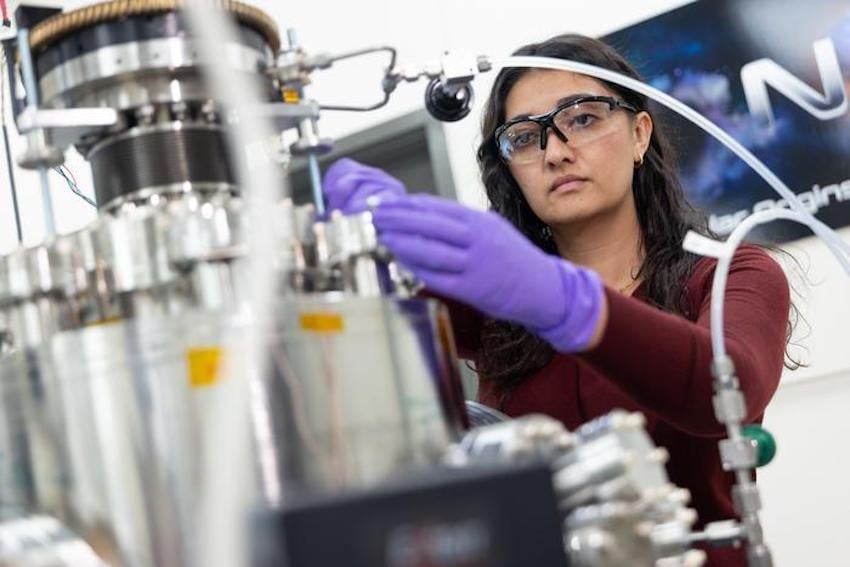
Before the Solar System formed, there was a vast cloud of gas and dust, containing all the raw materials needed to form the Sun and planets. But how did these primordial materials transform into the planets we see today? Researchers have built a new laboratory designed to simulate the chemistry that happens in deep space. In one chamber, the conditions mimic the dark interstellar clouds, while in the other chamber, the conditions simulate when stellar radiation bathes these ices in ultraviolet light.
Read the full story by Mark Thompson
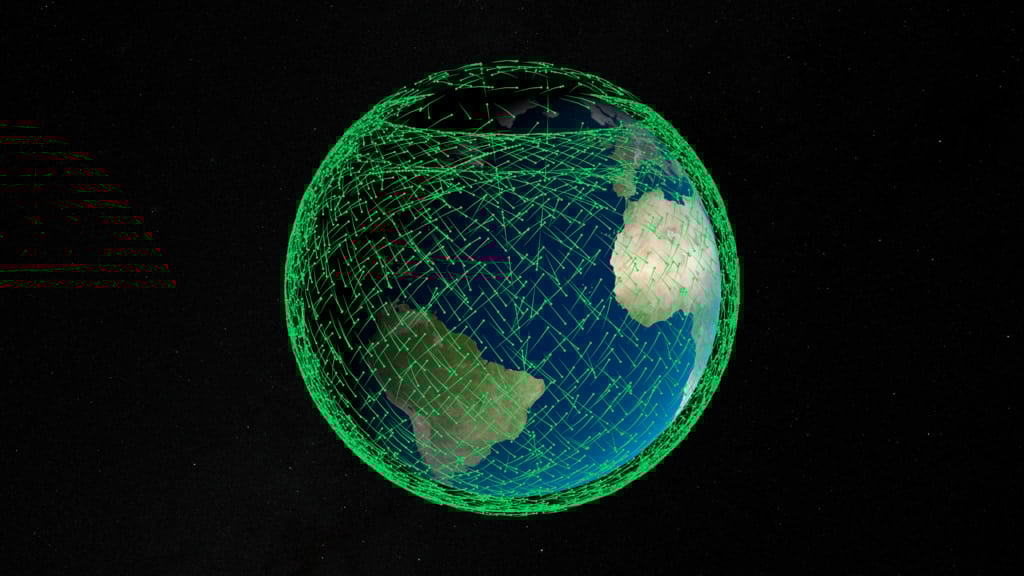
The satellite megaconstellations are here, and in the coming years we could see tens of thousands of satellites orbiting the planet. Every 22 seconds, a satellite comes within 1 km of another, and each satellite has to perform 41 maneuvers per year to avoid running into other objects. Solar storms can make that even worse, puffing out the atmosphere or taking satellites offline. A new paper calculates that satellites would start colliding within 2.8 days if operators couldn't perform these maneuvers.
Read the full story by Andy Tomaswick
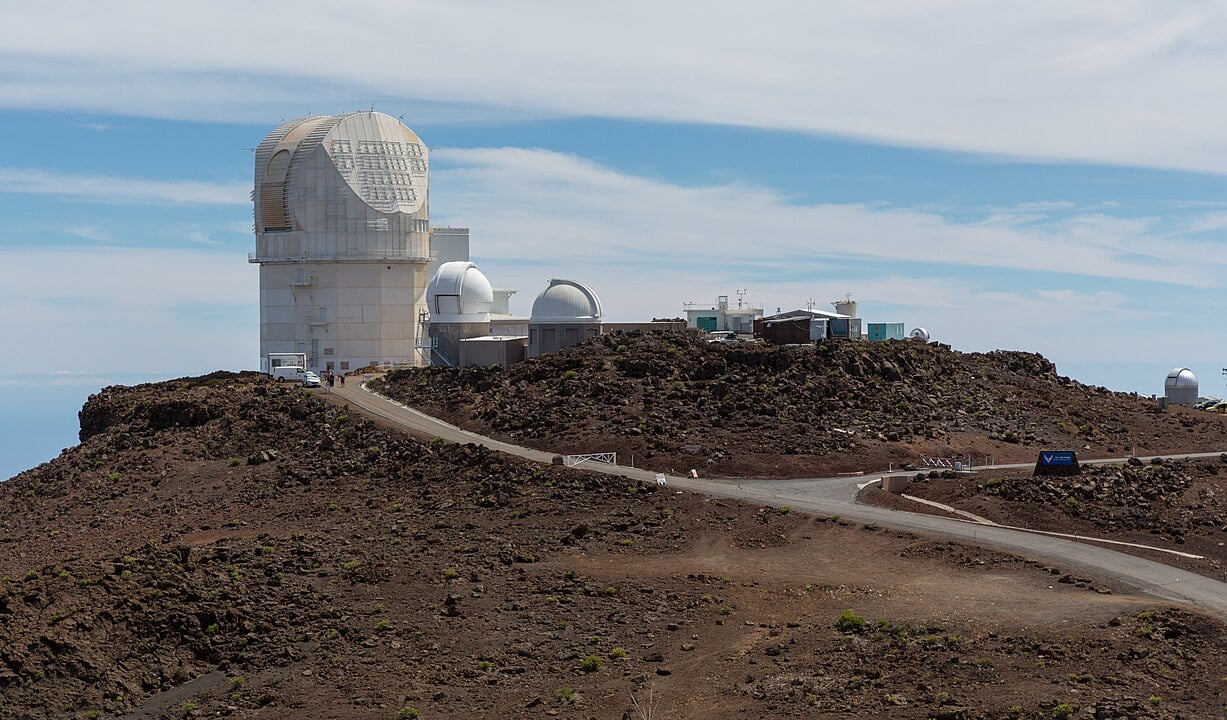
We're living in the golden age of solar astronomy, with a range of telescopes and spacecraft focused on our nearest star. Recently, the Daniel K. Inouye Solar Telescope teamed up with the Solar Orbiter spacecraft to observe the same sunspot region from two different locations, creating a new stereoscopic view of the Sun. The observations revealed details on the surface of the Sun with greater resolution than ever seen before.
Read the full story by Mark Thompson

There's growing evidence that the Omega Centauri globular cluster contains an intermediate mass black hole. Astronomers have tracked several stars on escape trajectories from the cluster, kicked out by the gravity of a black hole with 8,200 to 47,000 solar masses. Recently, astronomers scanned the cluster with radio telescopes for 170 hours, hoping to detect the faint signal from the black hole but didn't find it. That doesn't mean it's not there, just harder to spot than they were expecting.
Read the full story by Mark Thompson
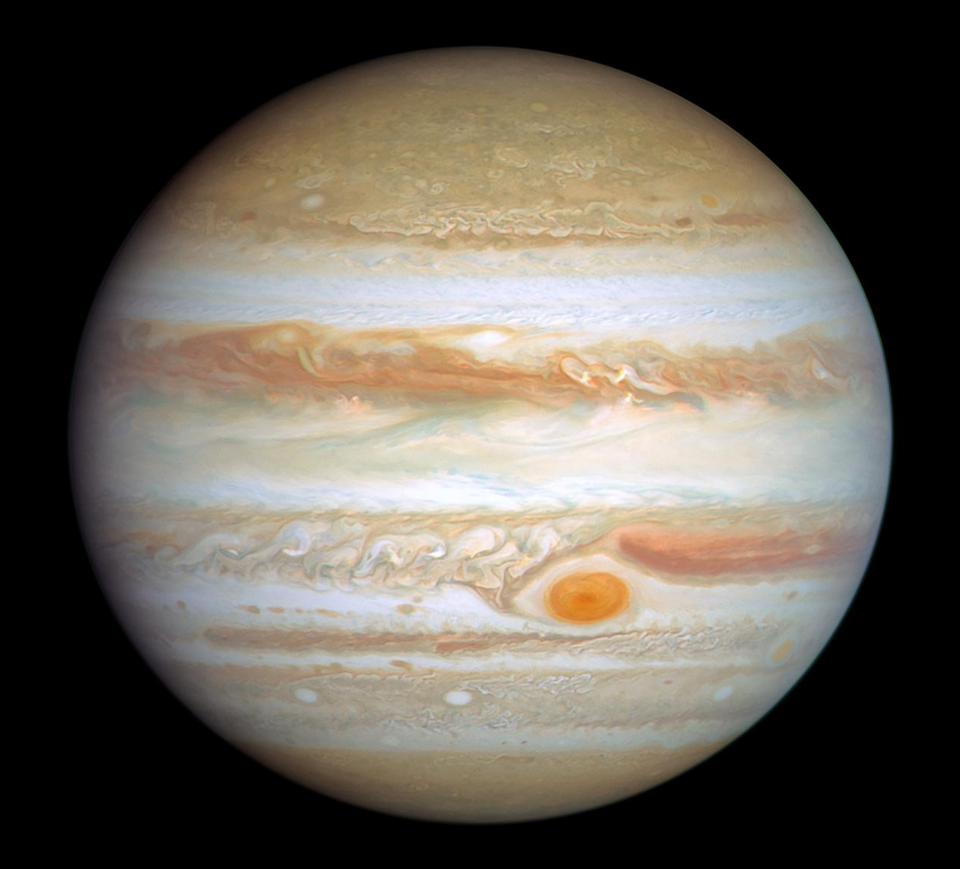
There are several independent lines of evidence that the planets weren't always in their current locations; they were once much closer to the Sun and migrated outwards. What caused this migration? A new paper considers whether a rogue planet passing through the Solar System could do the trick. Astronomers simulated thousands of planetary flybys and found that a 3-30 Jupiter-mass planet coming within 20 AU of the Sun could perturb the planets into their current positions.
Read the full story by Mark Thompson
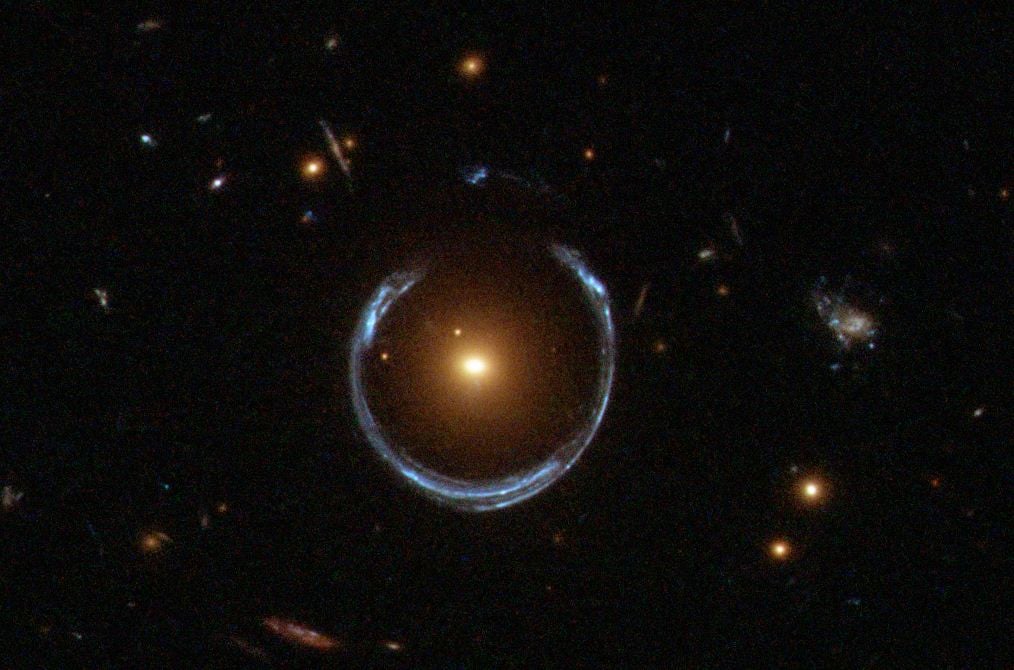
How fast is the Universe expanding? The answer to that question depends on where (and when) you look. This discrepancy is known as the Hubble Tension, and astronomers are always looking for new ways to calculate it. A new paper explores how gravitational lenses can be used to observe changes in distant quasars, watching how fluctuations can be seen in multiple lensed images. This allows astronomers to calculate the expansion rate all the way out to the quasar. Unfortunately, these observations haven't helped to resolve the tension.
Read the full story by Mark Thompson
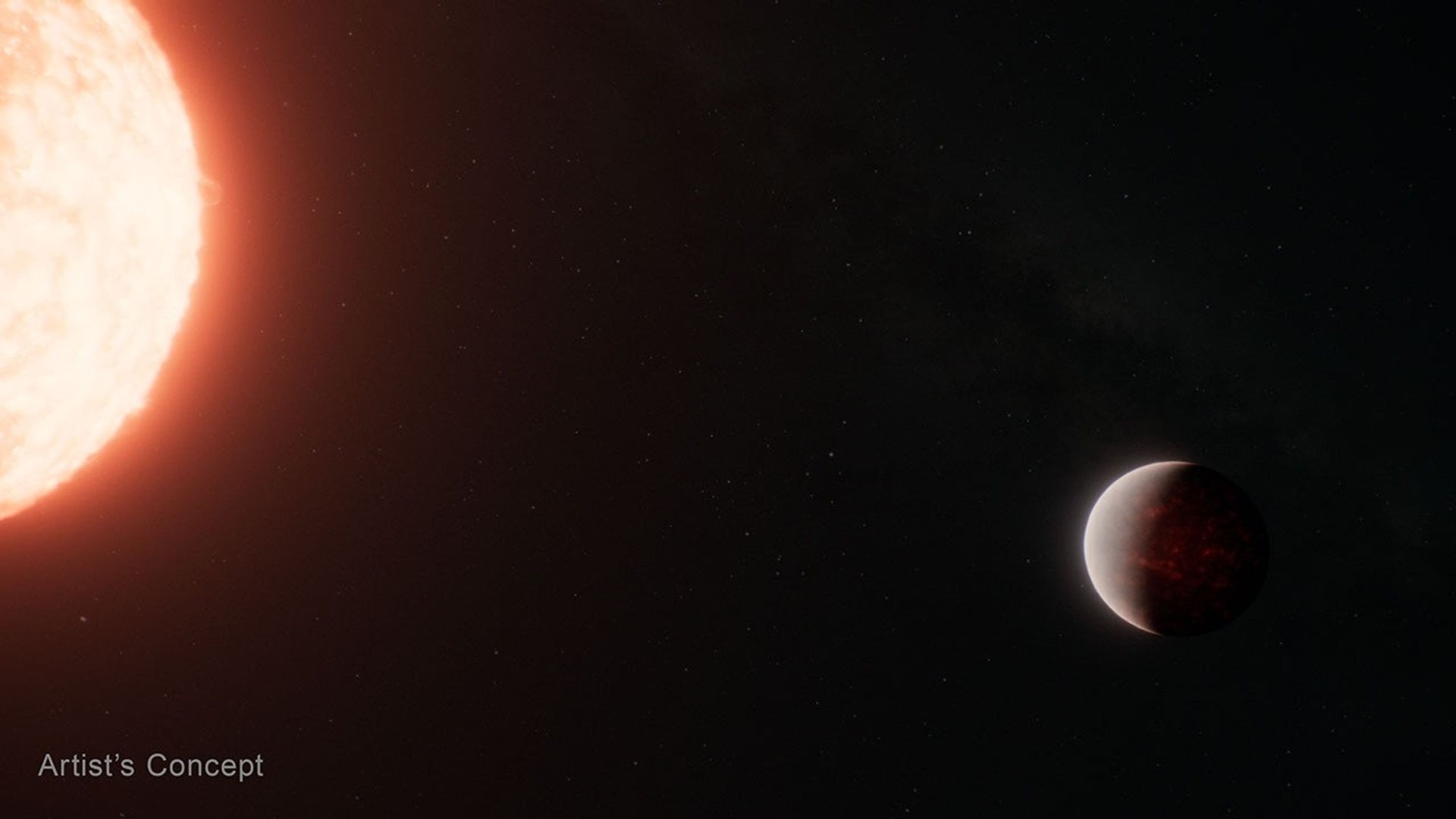
Webb recently observed the exoplanet TOI-561 b, and found evidence that it might have an atmosphere. The planet has 1.4 times the Earth's radius and orbits a Sun-like star about 275 light-years from Earth. It takes only 11 hours to orbit the star, and seems to have a global magma ocean, with a thick blanket of gases above it. The challenges the theory that rocky planets close to their stars can't maintain an atmosphere.
Read the full story by Matthew Williams
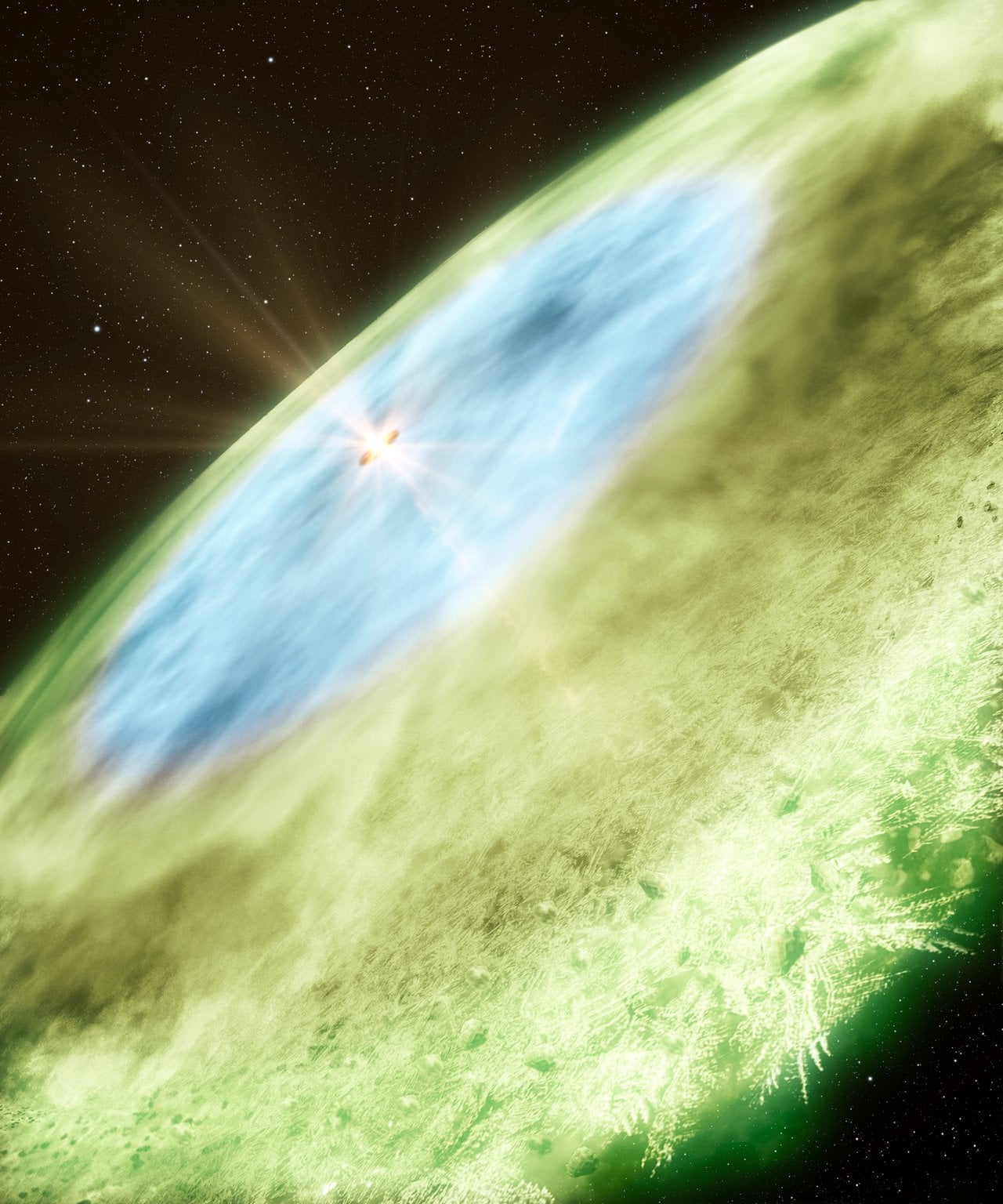
Carl Sagan famously said that we're made of starstuff, the heavier elements forged in stars and supernovae. But a new paper proposes that much of the material created in supernovae is captured as ice as it travels the interstellar medium. So really, we're made of ice? Researchers examined a specific isotope, zirconium-96, which is only created in supernovae, and found that it's most concentrated in meteorites in regions that were once mixed with ice.
Read the full story by Andy Tomaswick

Which part of the Universe does the CMB come from? Is Mars the best planet for habitability of all ones we found so far? How important is it to find a way to live off Earth? And in Q&A+, did we extract everything we can from the CMB?
Read the full story by Fraser Cain

In the early 20th century, after years of effort, Albert Einstein developed his general theory of relativity. This was a massive improvement in our understanding of gravity, giving us a sophisticated view into the inner workings of that fundamental force.
Read the full story by Paul Sutter
The early universe was a very different place than today. And by "early" I don't mean a billion or even ten billion years ago. The universe is about 13.77 billion years old, and when it was only a handful of seconds old, it was completely unrecognizable.
Read the full story by Paul Sutter
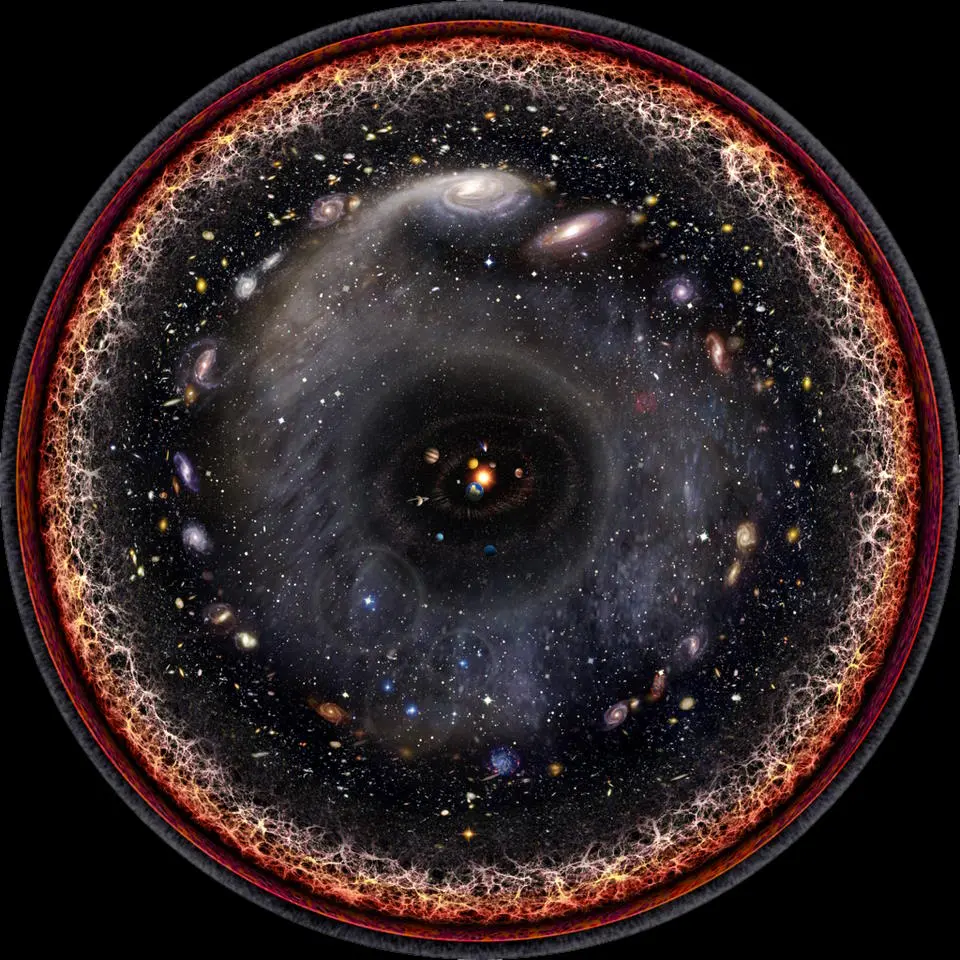
After the first protons and neutrons formed, after the first light elements formed, the universe…wasn't really all that great.
Read the full story by Paul Sutter
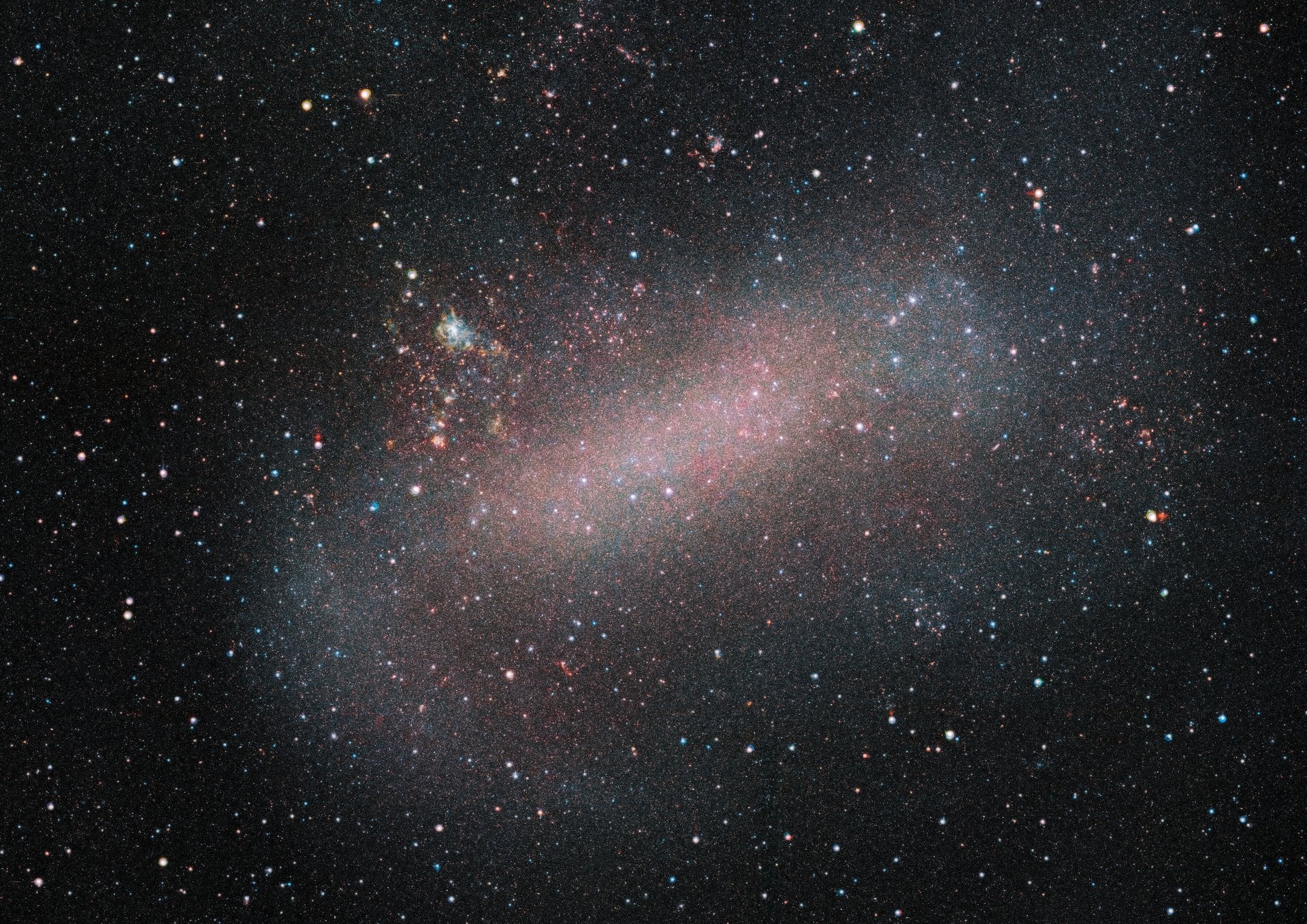
It's estimated that 90% of galaxies contain supermassive black holes at their centers. The best way to find them is to scan the galaxies with an X-ray telescope, revealing an abundance of radiation coming from the region around the black hole. But what about smaller dwarf galaxies? Astronomers have scanned a large number of them with X-ray telescopes and estimate that only 30% contain supermassive black holes.
Read the full story by Matthew Williams
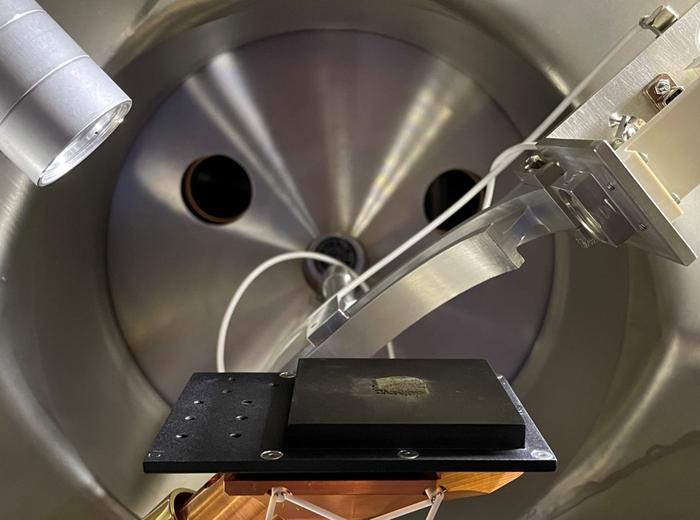
There are valuable minerals on the Moon, and deposits have been mapped from orbital spacecraft. One problem is that space weathering, the constant bombardment from solar wind and micrometeoroids, could make the valuable minerals more difficult to spot. Scientists gathered samples from three different Apollo soil samples with different levels of weathering, and then examined how their physical features are reflected in their signature. They found that weathered particles do have a different appearance from the fresh stuff.
Read the full story by Andy Tomaswick
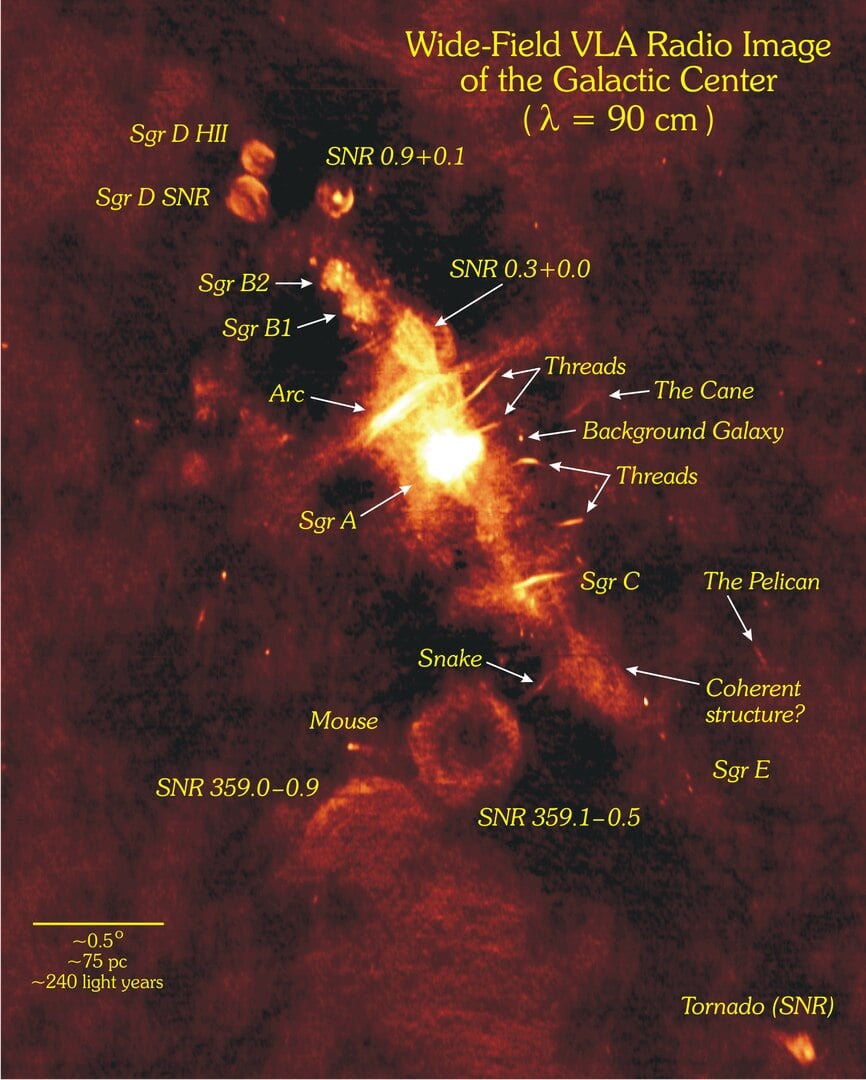
Radio astronomy has a pollution problem, with the new mega-constellations blasting their communications downward. Low Earth orbiting satellites zip overhead quickly, but satellites in geostationary orbit can remain overhead for hours, potentially harming radio observations. Astronomers were worried that geostationary satellites might be leaking emissions, but a new survey shows that satellites in geostationary orbit are only leaking a tiny amount of radio emissions.
Read the full story by Mark Thompson
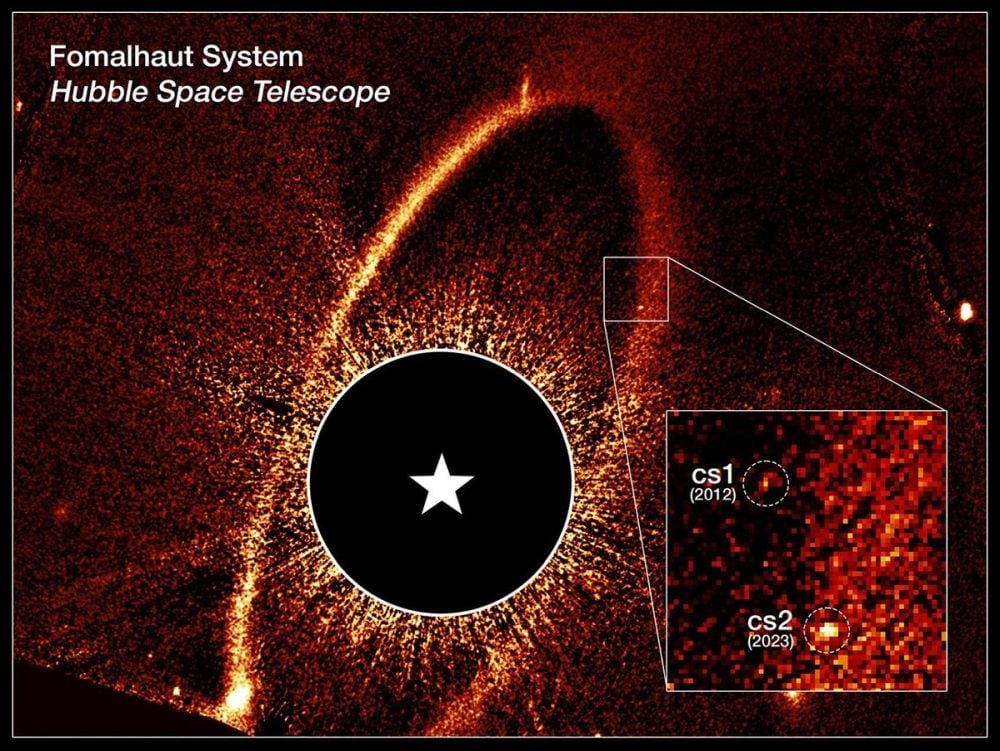
Fomalhaut is a triple star system with a young hot star that's more massive and luminous than the sun, but only 400 million years old. Astronomers have known about a giant elliptical belt of dust around Fomalhaut A, suspected to come from colliding comets and asteroids. Two objects were thought to be planets, but new observations show they're actually colliding planetesimals. This shows that clouds of dust can masquerade as planets, so astronomers have to be careful with their observations.
Read the full story by Evan Gough

🦄 If you enjoy what we do at Universe Today, join our Patreon Club! Here are just some of the perks you can get by subscribing:
- I'll remove all ads on UniverseToday.com for life, even if you unsubscribe in future
- You'll get ad-free versions of our videos, so you won't even have YouTube ads
- Early access to interviews, which we now do in improved quality
- A secret Patreon Email Newsletter
- Access to Patreon-only AMA session once per month
- Behind the scenes and other bonus content
- Help us stay independent and support the team directly
Support Universe Today. Join the Club Now!
🎧 Subscribe to our podcasts:
- Universe Today Podcast. Space news, interviews, Q&As, and exclusive content from Universe Today.
- Astronomy Cast. Your weekly facts-based journey through the cosmos, which I co-host with astronomer Dr. Pamela Gay.
Other Interesting Space Stuff
Thanks!
Fraser Cain
Publisher
Universe Today
As always, if you have comments or questions, or suggestions on how I can improve this newsletter, please don't hesitate to reply this email or email me at info@universetoday.com.

This work is licensed under a Creative Commons Attribution 4.0 International License.
Click here to Unsubscribe from this list.
Universe Today - #3400 333 Hunt Road - Courtenay, BC V9N 3R6 - Canada


