
Яндекс.Метрика

Wednesday, May 14, 2025

DIY Heavy-Duty Canvas Tool Roll: Empowering Makers with Custom Storage Solutions

The maker movement continues its strong growth, with individuals increasingly seeking personalized and practical solutions for organization. A standout trend within this sphere is the creation of custom tool storage, and at the forefront is the DIY heavy-duty canvas tool roll. This project appeals to a wide range of enthusiasts, from woodworking hobbyists to automotive mechanics, offering a durable, adaptable, and satisfying way to keep essential implements organized and readily accessible. Learn more about canvas on its Wikipedia page.

Unlike generic toolboxes or bags, a self-made tool roll constructed from robust heavy-duty canvas allows for complete customization. Makers can design compartments and pockets precisely sized for their specific collection of tools, eliminating wasted space and preventing items from shifting or becoming damaged during transport or storage. The inherent strength of heavy-duty canvas ensures longevity, capable of withstanding the rigors of frequent use in various environments, from workshops to job sites. Explore the definition of a tool roll on Wikipedia.

The process of creating a canvas tool roll is accessible to individuals with basic sewing skills and equipment. Numerous online tutorials and patterns provide step-by-step guidance, catering to different skill levels and desired designs. These resources often detail the necessary materials, including various weights and types of canvas, durable thread, and closure options such as strapsbuckles, or snap fasteners. The availability of waxed canvas introduces an additional benefit – enhanced water resistance, making the finished tool roll suitable for outdoor use or damp environments. Discover more about the properties of waxed canvas on Wikipedia.

The appeal of a DIY approach extends beyond mere functionality. It allows for a high degree of personalization. Makers can choose colors, add labels, and incorporate unique design elements that reflect their individual style and the specific purpose of the roll. This level of customization is rarely found in commercially produced tool storage solutions. The act of crafting a useful item with one's own hands also provides a sense of accomplishment and deeper connection to one's tools and craft.

Consider the needs of a woodworking tools enthusiast. They might require specific pockets for chisels, planes, and measuring tapes. A DIY canvas tool roll allows them to create precisely sized slots, preventing movement and protecting delicate edges. Similarly, someone working with automotive tools might design deeper, reinforced pockets for wrenches, sockets, and pliers. The adaptability of the canvas material makes it ideal for accommodating tools of various shapes and sizes. Even those involved in crafts like painting or sewing can benefit from custom rolls designed for paint brushesscissorsmarkers, and other supplies. Understand the broad category of tools on Wikipedia.

The construction typically involves measuring and cutting the fabric according to a chosen design or adapted pattern. Sewing techniques, often utilizing a sewing machine for efficiency and strength, are employed to create individual pockets and secure the main body of the roll. Features like a protective flap and sturdy ties or fasteners are added to keep the rolled-up tools secure. Some makers choose to incorporate grommets for hanging the tool roll or adding extra attachment points.

The benefits of a heavy-duty canvas tool roll extend to organization as well. By providing dedicated spaces for each tool, it becomes easier to quickly identify missing items and maintain a tidy workspace. This efficiency saves time and reduces frustration, allowing makers to focus on their projects rather than searching for misplaced implements. The roll-up design also makes it compact and portable, ideal for transporting tools to different locations without the bulk of a traditional toolbox.

The DIY trend in tool storage is supported by a wealth of online communities and resources where makers share their projects, offer advice, and inspire others. Platforms like Pinterest and Instructables showcase a wide array of canvas tool roll designs, from simple wraps to more complex organizers with multiple compartments and specialized features. YouTube channels often feature video tutorials demonstrating the entire construction process, making it even more accessible for visual learners.

While major news outlets may not have dedicated sections specifically for DIY tool roll projects, the broader maker movement and DIY culture are frequently covered in the context of home improvement, crafting, and innovation.

Related Product Listings:

  1. Amazon: WELKINLAND Heavy-Duty Waxed Canvas Tool Organizer, 15-Pocket
  2. Amazon: Canvas Tool Roll, Heavy Duty 16oz Waxed Canvas Wrench Roll - with Regular Tool Slots + 2 Zippered Pockets
  3. Amazon: Leather Tool Bag Roll Up, 12 Slot Heavy Duty Tool Roll Bag Organizer
  4. Etsy: Handmade Leather Tool Roll
  5. eBay: Heavy Duty Canvas Multi-Pocket Tool Roll Organizer

The DIY heavy-duty canvas tool roll is more than just a storage solution; it's an expression of creativity, practicality, and a desire for personalized organization. As the maker movement continues to flourish, expect to see even more innovative designs and adaptations of this versatile and rewarding project. The ability to create a durable, custom tool roll perfectly suited to individual needs empowers makers and reinforces the value of hands-on craftsmanship.

--
You received this message because you are subscribed to the Google Groups "Broadcaster" group.
To unsubscribe from this group and stop receiving emails from it, send an email to broadcaster-news+unsubscribe@googlegroups.com.
To view this discussion visit https://groups.google.com/d/msgid/broadcaster-news/f47fa9c2-47b7-4abf-a1cd-c9c98a9bf3d1n%40googlegroups.com.

Tuesday, May 13, 2025

Get 2 For 1 With Code HOW241

Stories that take you right to the heart of the action
 ‌ ‌ ‌ ‌ ‌ ‌ ‌ ‌ ‌ ‌ ‌ ‌ ‌ 
 
History of War  
Tuesday 13 May 2025
View this email online
 
 
 History of War BOGOF 
 
The team behind History of War present these astonishing stories that take you right to the heart of the action.

Use code: HOW241

Or find your perfect read in our categories...


Future Logo

© Future Publishing Limited. Reg No. 2008885 England. Quay House, The Ambury, Bath BA1 1UA.

This email is intended for alitealbum.dtvfvf@blogger.com

You are receiving this email because you opted in to hear about Future's other brands and services. To unsubscribe from Future Marketing emails or update your email preferences, please click here.

Privacy Policy | Cookies Policy | Terms and Conditions


Sunday, May 11, 2025

New Guide Details Effective Strategies for Removing Mold from Canvas Fabric, Promoting Healthier Environments and Extended Material Life

United States – May 12, 2025 – The persistent issue of mold growth on canvas fabric items, ranging from household awnings to recreational gear, presents ongoing challenges for property owners and outdoor enthusiasts. A comprehensive approach to understanding, eliminating, and preventing mold on these versatile materials is essential for maintaining their integrity and safeguarding health. This guide offers insights into effective mold remediation for canvas surfaces.

Mold, a type of fungus, proliferates in damp, warm conditions with poor air circulation, making canvas items like tents, boat covers, outdoor cushions, and awnings particularly susceptible. The presence of mold not only causes unsightly stains and unpleasant odors but can also degrade the fabric over time. Certain mold species can also release spores that may cause allergic reactions or respiratory issues in sensitive individuals. Addressing mold growth promptly and correctly is paramount.

Identifying Mold on Canvas

Recognizing mold is the initial action in effective removal. Mold often appears as black, green, grey, or white fuzzy or slimy patches. Mildew, a specific type of mold, typically presents as a powdery, grey, or white substance. A musty odor is another common indicator of fungal presence. Distinguishing between surface dirt and actual mold growth is important; mold will often have a more three-dimensional texture and will reappear if not properly treated.

Essential Safety Precautions During Mold Removal

Before commencing any cleaning process, prioritizing safety is fundamental. Work in a well-ventilated area, preferably outdoors, to minimize inhalation of mold spores and chemical fumes. Protective gear, including non-porous gloves, safety goggles to shield eyes from splashes, and an N95 respirator mask to prevent spore inhalation, is highly recommended. Always test any cleaning solution on a small, inconspicuous area of the canvas first to check for discoloration or adverse reactions.

Effective Cleaning Solutions and Methodologies

Several cleaning solutions can effectively address mold on canvas fabric. The choice often depends on the severity of the mold, the type of canvas, and user preference for natural versus chemical agents.

  1. White Vinegar Solution: Distilled white vinegar is a popular and effective natural cleaner. Its acetic acid content helps to kill mold spores. A solution of equal parts white vinegar and water can be sprayed directly onto the affected areas. Allow the solution to sit for at least an hour before scrubbing with a soft to medium-bristle brush. Rinse the canvas thoroughly with clean water afterwards. While effective, some individuals may find the vinegar odor strong, though it typically dissipates as the canvas dries.

  2. Baking Soda Solution: Baking soda (sodium bicarbonate) acts as a mild abrasive and a natural deodorizer. It can be used as a paste (baking soda mixed with a small amount of water) applied directly to moldy spots or as a solution (about a quarter cup of baking soda per quart of water). Scrub the treated area gently and rinse thoroughly. Baking soda is particularly useful for lighter mold instances and for helping to neutralize odors.

  3. Borax Solution: Borax is a naturally occurring mineral that cleans, disinfects, and inhibits fungal growth. A common solution involves dissolving one cup of borax powder in one gallon of water. Apply to the canvas, scrub as needed, and rinse well. Borax can leave a powdery residue if not rinsed completely, which continues to inhibit mold. Handle borax with care, keeping it away from children and pets.

  4. Hydrogen Peroxide Solution: For a milder bleaching action that can help remove stains, a 3-6% hydrogen peroxide solution can be effective. Apply, let it sit for 10-15 minutes, then scrub and rinse. Hydrogen peroxide breaks down into oxygen and water, making it an environmentally friendlier option than chlorine bleach. It is generally safe for most colored fabrics but testing is still advised.

  5. Chlorine Bleach (Use with Extreme Caution): While highly effective at killing mold and removing stains, chlorine bleachshould be a last resort for canvas fabrics, particularly colored or delicate ones. It can weaken fibers and cause significant discoloration. If used, dilute it heavily (e.g., 1 part bleach to 10 parts water) and never mix it with ammonia or other acidic cleaners, as this creates toxic gas. Apply sparingly, rinse immediately and thoroughly. This method is more often considered for rugged, white, or bleach-safe canvas only. Oxygen bleach is a gentler alternative for colors. Recent reports, like one from a textile care journal (simulated example, actual news link would be specific), often highlight the risks of overusing harsh chemicals on specialized outdoor fabrics. 

The Cleaning Process: A Step-by-Step Approach

  1. Preparation: Take the canvas item outdoors. If there is loose surface mold, gently brush it off with a dry brush. This prevents spores from becoming airborne indoors.
  2. Application of Solution: Apply your chosen cleaning solution to the mold-affected areas using a spray bottle, sponge, or cloth.
  3. Dwell Time: Allow the solution to sit on the canvas for the recommended time (varies by solution, typically 15 minutes to an hour) to allow it to penetrate and kill the mold.
  4. Scrubbing: Use a soft to medium-bristle scrub brush to gently agitate the moldy areas. Avoid overly aggressive scrubbing, which can damage the canvas fibers. Work in sections for larger items.
  5. Rinsing: This is a critical step. Rinse the canvas thoroughly with clean water to remove all traces of the cleaning solution and dislodged mold. Residue can attract dirt or even promote new mold growth.
  6. Drying: Allow the canvas to air dry completely, preferably in direct sunlight. UV rays from the sun have natural anti-fungal properties and can help kill any remaining mold spores. Ensure the canvas is bone dry before storing it.

Removing Stubborn Stains and Odors

Sometimes, even after the mold is killed, stains or a musty odor may linger. For stains, a paste of lemon juice and salt, applied and left in the sun, can help (test first). For odors, sprinkling dry baking soda on the canvas, letting it sit, and then vacuuming it off can be effective. Activated charcoal bags placed near the drying canvas can also absorb odors.

Preventing Future Mold Growth: The Best Long-Term Strategy

Prevention is key to managing mold on canvas.

  • Keep it Dry: Moisture is the primary enabler of mold. Always ensure canvas items are completely dry before storing them.
  • Promote Air Circulation: Store canvas in well-ventilated areas. Avoid cramming items into airtight containers or damp spaces.
  • Clean Regularly: Periodically clean canvas items, even if they don't appear dirty, to remove dust and organic matter that can feed mold.
  • Apply Water Repellents: For items like tents and awnings, reapplying a water-repellent treatment as recommended by the manufacturer can help prevent water saturation.
  • Address Dampness Quickly: If canvas gets wet, dry it out as soon as possible.

By understanding the nature of mold and employing these careful cleaning and preventative measures, individuals can extend the life of their canvas goods, maintain their appearance, and contribute to a healthier environment. Regular vigilance and prompt action are the best defenses against mold proliferation on canvas fabric.

--
You received this message because you are subscribed to the Google Groups "Broadcaster" group.
To unsubscribe from this group and stop receiving emails from it, send an email to broadcaster-news+unsubscribe@googlegroups.com.
To view this discussion visit https://groups.google.com/d/msgid/broadcaster-news/aa0191eb-0b5e-43c1-9b1b-ae61737f6d94n%40googlegroups.com.

Friday, May 9, 2025

🚀 Psyche Problem, NASA Budget Cuts, Solar Gravitational Lens, Vera Rubin, And More...

Universe Today Newsletter Header


Uh Oh, There's a Problem With Psyche's Propulsion System

NASA reported this week that there's a decrease in fuel pressure for the Psyche mission's propulsion system. Psyche uses a solar electric propulsion system, generating thrust with four electric ion engines that expel xenon ions, giving the spacecraft a kick in the opposite direction. It has been firing its thrusters continuously since May 2024, but in April 2025, engineers detected a pressure drop in the fuel lines. They have redundancy and are troubleshooting the issue.

Read the full story by Mark Thompson


🦄 If you enjoy what we do at Universe Today, join our Patreon Club! Here are just some of the perks you can get by subscribing:

  • I'll remove all ads on UniverseToday.com for life, even if you unsubscribe in future
  • You'll get ad-free versions of our videos, so you won't even have YouTube ads
  • Early access to interviews, which we now do in improved quality
  • A secret Patreon Email Newsletter
  • Access to Patreon-only AMA session once per month
  • Behind the scenes and other bonus content
  • Help us stay independent and support the team directly

Support Universe Today. Join the Club Now!


Spying on Spy Satellites // Official NASA Budget Cuts // Dragonfly Milestone

The official NASA cuts are here. Several missions reach big milestones. The Solar Gravitational Lens will be challenging to use, and in our special bonus version on Patreon, [Space Bites+] an additional story about New Horizons scanning the clouds of hydrogen around the Solar System.


🎧 Subscribe to our podcasts:

  • Universe Today Podcast. Space news, interviews, Q&As, and exclusive content from Universe Today.
  • Astronomy Cast. Your weekly facts-based journey through the cosmos, which I co-host with astronomer Dr. Pamela Gay.

Upcoming Shows:


A Fast-Moving Pulsar Fractures the Milky Way's Galactic Bone

There's a lot going on at the center of the Milky Way, with stars, clouds of gas, and of course, the supermassive black hole Sgr A*. The MeerKAT radio telescope has observed strange snake-like filaments in the region, stretching for hundreds of light-years. One has a strange shape, with a fracture along its length, and now astronomers know the cause. There's a rapidly moving pulsar nearby that struck the filament at high speed, distorting its magnetic structure.

Read the full story by Evan Gough


It's Either the Milky Way's Farthest Known Star Cluster or the Smallest Known Galaxy.

In 2024, astronomers announced the discovery of UMa3/U1, a collection of 60 stars measuring only 10 light-years across, at a distance of 30,000 light-years from the Sun. It was announced as the smallest galaxy ever seen, with a fraction of the mass of other dwarf galaxies. A new paper suggests that it might actually be a star cluster, with several compact stellar remnants holding it together for billions of years. Either way, it's breaking some kind of record.

Read the full story by Brian Koberlein


Using the Solar Gravitational Lens Will Be Extremely Difficult

Astronomers have calculated that the gravity of the Sun can act as a natural lens, allowing a small telescope to sit at the focal point and capture megapixel images of the surfaces of exoplanets. But according to a new paper, there are some technical limitations that will make it more challenging to use this natural lens. Getting out to 550+ AU is already challenging, but even small amounts of cloud cover on the target exoplanet introduce tremendous noise into the data.

Read the full story by Andy Tomaswick


Vera Rubin Will Change Astronomy Forever. Here's Exactly How

Vera Rubin Telescope (aka LSST) is finally ready. We're expecting first light in the coming months. It will find Planet 9 (if it exists), discover thousands of new asteroids, millions of new supernovae and will change the way we do astronomy with its surveys of the night sky. Here's how it will do all that.


The Most Common Type of Exoplanet Was Difficult To Observe Until the JWST Came Along

With 1000s of exoplanets found so far, astronomers are learning that one of the most common sizes out there is larger than Earth but smaller than Neptune. These sub-Neptunes have been difficult to observe, but JWST is changing all that, with its ability to scan these planets in unprecedented detail and even reveal the gases present in their atmospheres. Astronomers think that they started out as rocky cores and then attracted hydrogen atmospheres from the solar nebula.

Read the full story by Evan Gough


New Horizons Helps Map the Hot Clouds of Interstellar Gas All Around the Solar System

Large clouds of hot interstellar hydrogen release a very specific wavelength of ultraviolet radiation called Lyman-alpha. Because we're embedded deep inside the Solar System, it's tough to measure this radiation accurately, but fortunately, NASA's New Horizons spacecraft is far from the Sun and equipped with ultraviolet detectors. Researchers have used the mission to create the first-ever map of these emissions, revealing the clouds of gas that surround the Solar System.

Read the full story by Andy Tomaswick


SPHEREx is Now Mapping the Entire Sky

NASA's SphereX mission was launched in March and has completed its science calibration phase. Now it's time to go to work. On May 1, the mission began mapping the entire sky, charting the positions of hundreds of millions of galaxies in 3D. Each day, it'll take 3,600 images in a variety of wavelengths of infrared light. Its primary mission lasts 2 years and will give astronomers a new understanding of the evolution of the Universe.

Read the full story by David Dickinson


Free Floating Binary Planets Can't Last Long

One of the big discoveries from JWST was the existence of free-floating Jupiter Mass Binary Objects (JuMBOs) in the Orion Nebula. Two Jupiter-like objects orbit one another without a star nearby. In a new study, researchers calculate that 50-90% of JuMBOs should be destroyed within a few million years. Since we can still see them in the Orion Nebula, many more must have formed originally, and these are just the survivors.

Read the full story by Evan Gough


Black Holes as a Great Filter, Artemis 3 Landing Site, Smallest Possible Star | Q&A 318

Can artificial black holes be the great filter for advanced civilizations? Where exactly will the Artemis 3 mission will be landing on the Moon? What's the smallest possible star? And in our Q&A+ version, how much would a fossil from Mars cost? Answering all these questions and more in this Q&A show.


Webb Watches Dramatic Weather Changes on a Pair of Nearby Brown Dwarfs

Luhman 16AB is the closest brown dwarf binary system to Earth, located just 6.5 light-years away. This makes it the perfect target for JWST, which recently spent several hours studying its surfaces. Webb identified three distinct atmospheric layers, each of which had different weather patterns, and at the deepest layer, they identified giant cloud systems rotating in and out of view. They saw the weather patterns change in just a single rotation.

Read the full story by Evan Gough
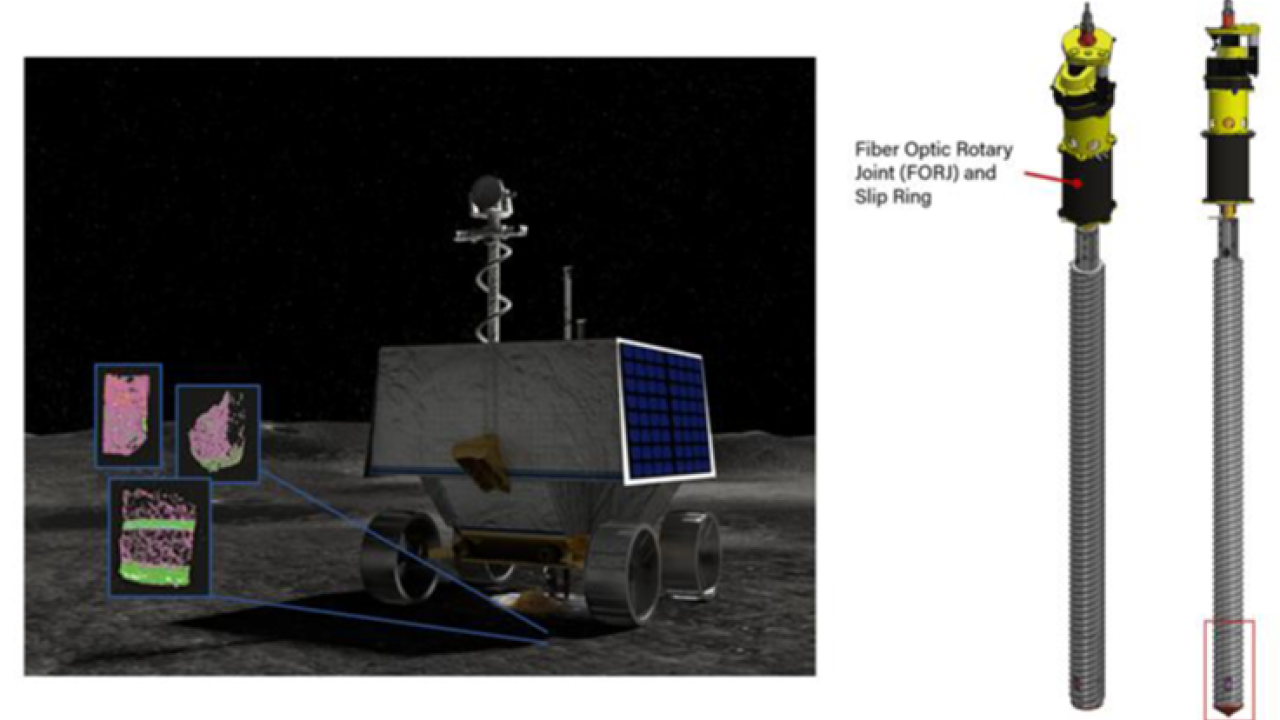

Improving In-Situ Analysis of Planetary Regolith With OptiDrill

The surfaces of worlds, like the Moon or Mars, are bathed in radiation, blasted by the solar wind, and suffer extreme temperature changes. But if you can pull a sample from just a few centimeters below the surface, you can learn more about the geology of the world. Researchers recently presented a new instrument called the OptiDrill that could help collect subsurface samples and make them easier to study in a range of places in the solar system.

Read the full story by Laurence Tognetti, MSc


There's a Chorus of Gravitational Waves Coming From the Core of the Milky Way. Will We Hear Them?

The center of the Milky Way is a busy place with a heavy concentration of stars, as well as compact objects like neutron stars and black holes interacting around the supermassive black hole at the center. There should be many binary systems, with everything from twin brown dwarfs to binary black holes spiraling around each other. Researchers calculate that this will cause a complex landscape of overlapping gravitational wave signals that will make observations difficult.

Read the full story by Brian Koberlein


A Single Impact Could Leave a Giant Planet Ringing for Millions of Years

The Moon bears the scars of an early Solar System, when debris was all around, and worlds collided. Similar events are happening in other newly forming planetary systems, and astronomers think the repercussions could last for millions of years. They simulated the Beta Pictoris system, with a Neptune-mass planet impacting a giant planet with 13 Jupiter masses, and found that it would still be varying in brightness for millions of years, detectable with modern instruments.

Read the full story by Evan Gough


Mars Has Many Features That Match Earth

Researchers have identified several features on Mars that look surprisingly similar to conditions on Earth. One notable feature is giant wave-like landforms called solifluction lobes, which are in cold, mountainous regions of Earth, like the Arctic or Rocky Mountains. These are slow-moving patterns similar to fluids running downhill, but on Mars, they're 2.6 times larger because of its lower gravity. They can grow much taller before collapsing on Mars.

Read the full story by Matthew Williams


Could Sweating Spacecraft Make Re-Entry Easier?

Returning to Earth is a free ride, using the friction of the atmosphere to shed enormous velocity. But re-entering spacecraft build up high temperatures on their exteriors, which can destroy them (remember the Columbia disaster)? A team of engineers is investigating how a trick of nature—sweating—could work during spacecraft re-entry. A spacecraft would create a layer of gas on its surface that would cool the spacecraft and prevent direct contact with the hot gases.

Read the full story by Carolyn Collins Petersen


A Collaboration Between China and the West Could Find Dozens of Earth-Like Worlds

While NASA and its partners are designing the Habitable Worlds Observatory, astronomers in China are developing the Closeby Habitable Exoplanet Survey (CHES), which will use astrometry (like Gaia) to find planets through stellar wobbles. A new paper suggests that the data from both missions could work together to find dozens of Earth-like planets in habitable zones around nearby stars. They estimate more than 50 candidate planets, more than HWO alone.

Read the full story by Evan Gough
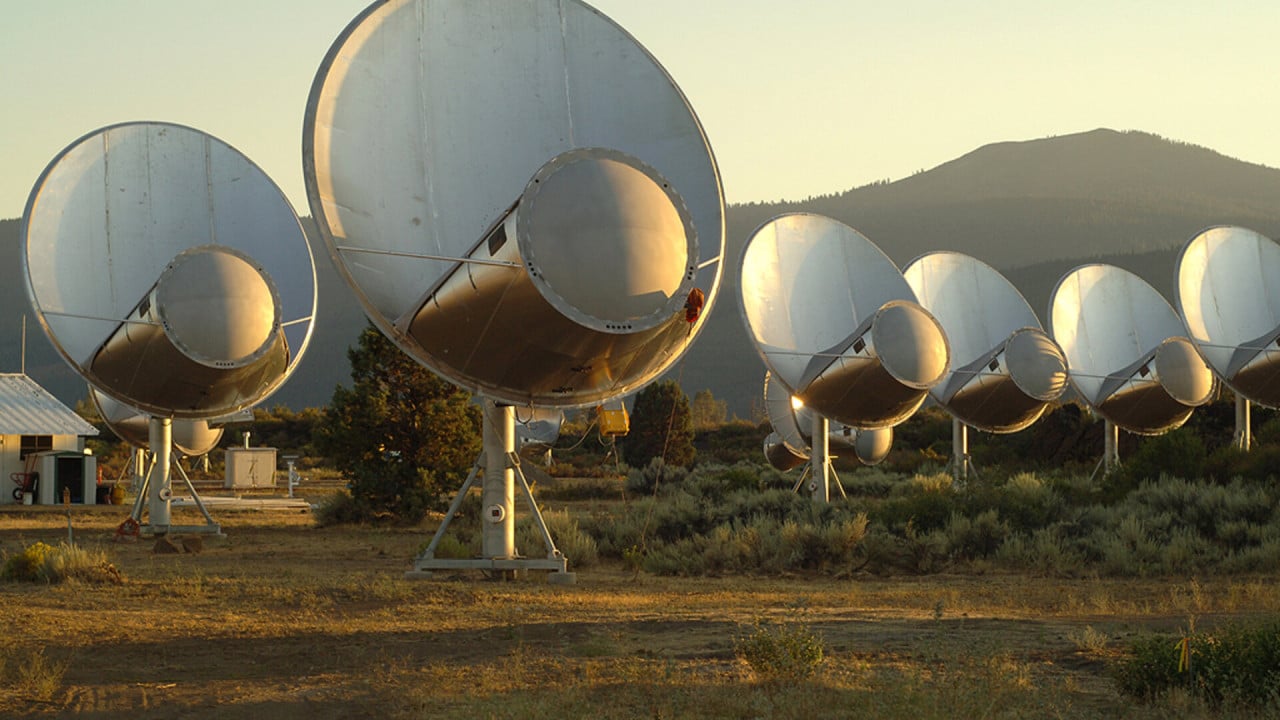

Statistically Speaking, We Should Have Heard From Aliens by Now

The Fermi Paradox is this apparent contradiction between the high chance the Universe has countless civilizations and the total lack of evidence or contact with anyone so far. In a new paper, a researcher calculated the probability that we could have heard at least one signal from an extraterrestrial civilization. Assuming civilizations last for a few hundred years and could be anywhere across the Milky Way, we should have a 99% chance of detecting a signal.

Read the full story by Mark Thompson


How Do the Most Massive Stars Get So Big?

There are stars that contain much more mass than the Sun, sometimes over 100 solar masses. How can they pack on so much material early on in their lives? Astronomers targeted the ammonia (NH3) molecule, which is commonly found in interstellar gas clouds, watching the path it takes to join a newly forming star. They found that the infalling material is both collapsing inward and rotating around a young star, adding 0.2% solar masses every year.

Read the full story by Evan Gough


Smoking Gun Biosignatures, Dyson Spheres vs Warp Drives, Adopting the Metric System | Q&A 319

Which evidence will be a definite smoking gun when it comes to finding extraterrestrial life? Why is a Dyson sphere more realistic than warp drives? Will America ever adopt the metric system? And in our Q&A+ version, will China be collaborating with other nations in space? Answering all these questions and more in this Q&A show.


Quasars Don't Last Long. So How Do They Get So Massive?

A mystery in astronomy is how supermassive black holes grew so big, so quickly. Astronomers have looked for quasars, actively feeding supermassive black holes, as a way to measure how much new material they're accumulating, contributing to their growth. They studied nebulae near the quasars that light up when the quasar is releasing radiation and found that many of the farthest quasars have only been active for a few hundred thousand years, not long enough to grow.

Read the full story by Mark Thompson
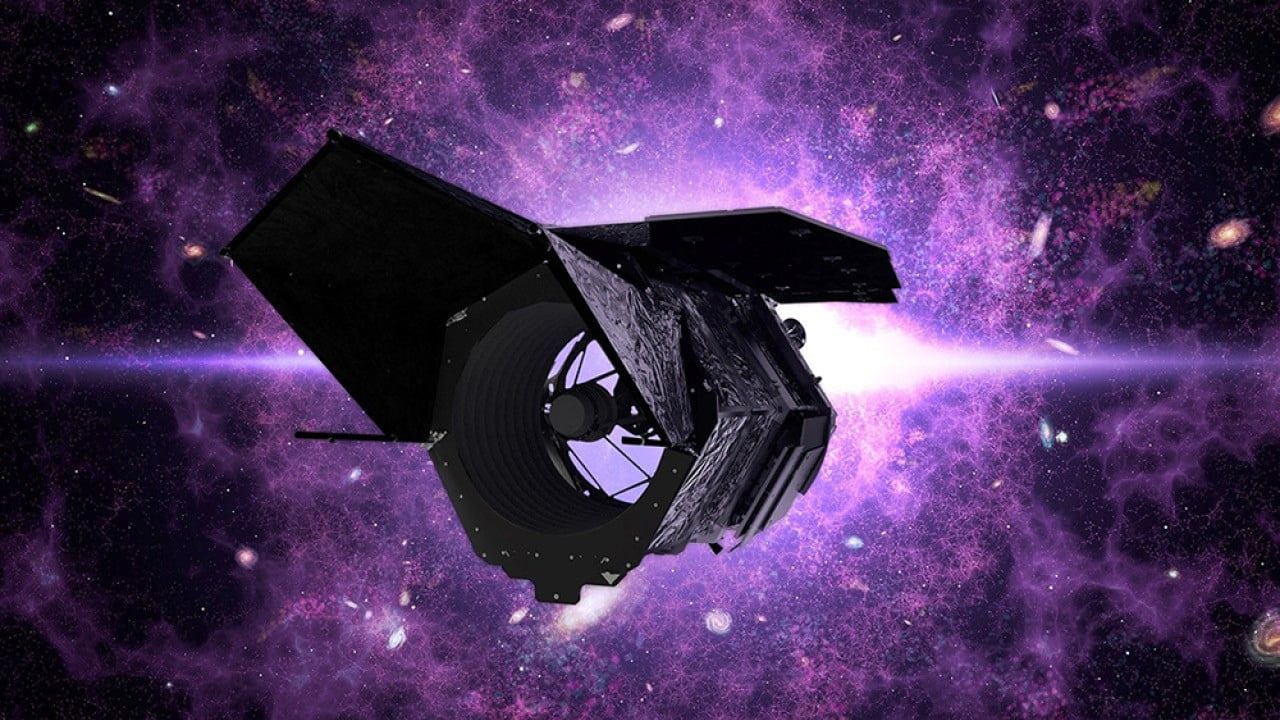

How Many Rogue Planets are in the Milky Way? The Roman Space Telescope Will Give Us an Answer

Astronomers suspect there are many free-floating planets drifting through interstellar space, far away from a star. But how many? According to a new paper, the upcoming Roman Space Telescope will be able to give us a glimpse into the number and mass distribution of rogue planets in the galaxy. Roman will observe thousands of microlensing events, when a rogue planet passes in front of a star, distorting its light. From this, they'll derive an estimate of the total number.

Read the full story by Carolyn Collins Petersen


This Supermassive Black Hole Chases its Food

Astronomers have discovered supermassive black holes at the hearts of almost every galaxy in the Universe. When a star passes too close to the black hole, it can be torn apart, releasing a huge amount of radiation, known as a tidal disruption event. Astronomers have found an example where a feasting black hole isn't stuck at the center of the galaxy; it's roaming around the bulge area of its host galaxy.

Read the full story by Evan Gough


Ispace's RESILIENCE Enters Lunar Orbit. It'll Try to Land in Early June

On May 7th, the Japanese space exploration company ispace announced that its HAKUTO-R RESILIENCE lander entered lunar orbit after completing a 9-minute thruster burn. It's now in a stable lunar orbit, and operators will spend the next month testing and preparing for its landing attempt on June 5. This is the company's second attempt at landing on the Moon, after the first attempt crashed in 2023. It's carrying a micro-rover and several science experiments.

Read the full story by Matthew Williams


There are Many Ways to Interpret the Atmosphere of K2-18 b

I'm sure you're familiar with the recent announcement of potential biosignatures in the atmosphere of exoplanet K2-18 b. Although astronomers claim JWST detected the presence of dimethyl sulfide and other gases, the astronomical community has been... skeptical. In a new paper, researchers show that if you expand the model space to include more chemical possibilities, the biosignature detection disappears. Many other models give a better fit to the data.

Read the full story by Andy Tomaswick
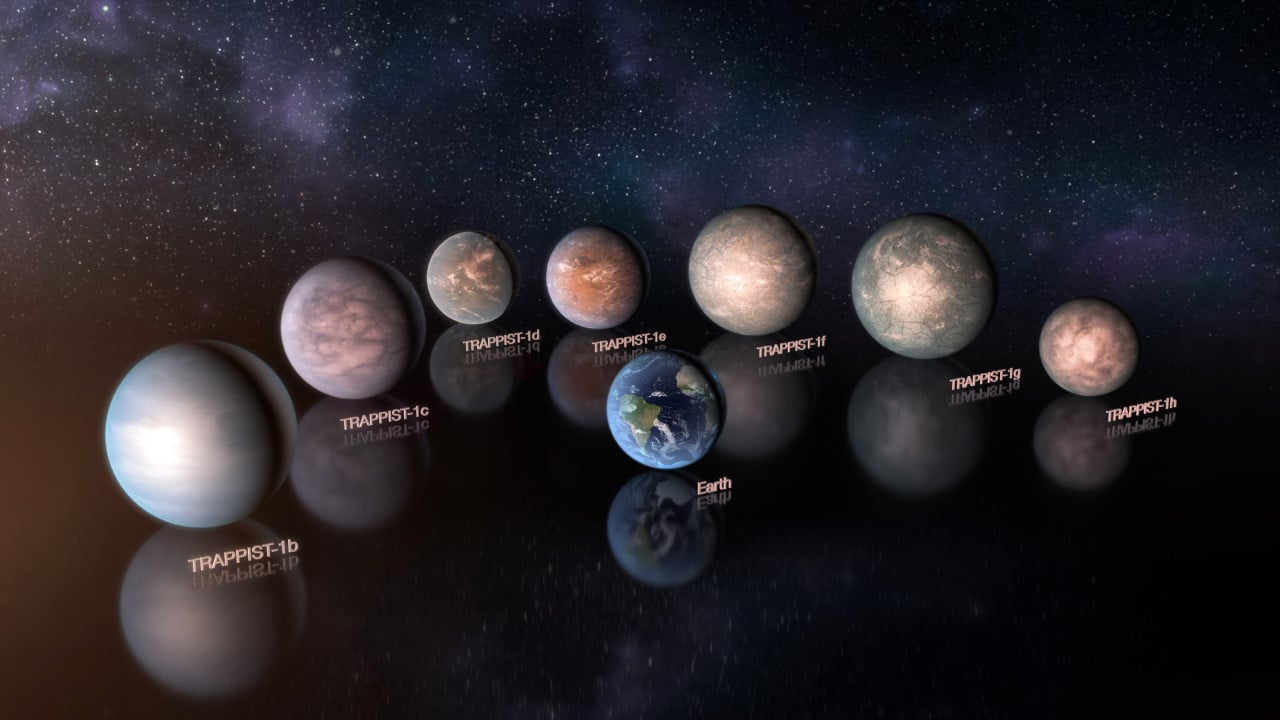

Want to Find Life? You'll Want Several Exoplanets in the Same System to Compare

Astrobiologists continue to find a single definitive biosignature, a single chemical that could be found in the atmosphere of an exoplanet that screams, "there's life here." In a new paper, researchers propose that you need multiple planets in a system to know if you're looking at exo-forests or exo-volcanoes. If there are inhospitable planets in a system, they can serve as an abiotic baseline that you can compare with potentially habitable worlds to see life's signals.

Read the full story by Brian Koberlein


Space Weather Can Dramatically Alter a Planet's Fate

We talk about planetary habitability, but it might be more accurate to talk about the habitability of a planet in relation to its star. That's because the space weather generated by stars can have a serious impact on their planets. Consider red dwarfs, which can release powerful flares directly at the planets that could be huddled up close in their tiny habitable zones. This could have a serious impact on how an exoplanet's atmosphere develops over time.

Read the full story by Evan Gough


Other Interesting Space Stuff


Thanks!

Fraser Cain
Publisher
Universe Today

As always, if you have comments or questions, or suggestions on how I can improve this newsletter, please don't hesitate to reply this email or email me at info@universetoday.com.

Creative Commons License
This work is licensed under a Creative Commons Attribution 4.0 International License.


Click here to Unsubscribe from this list.

Universe Today - #3400 333 Hunt Road - Courtenay, BC V9N 3R6 - Canada

Friday, May 2, 2025

Ruth Buzzi, Beloved Comedian and Iconic Gladys Ormphby of 'Laugh-In', Dies at 88

DALLAS, TX – May 2, 2025 – Ruth Buzzi, the Emmy Award-winning comedian and actress cherished by millions for her portrayal of the purse-wielding Gladys Ormphby on the groundbreaking television show "Rowan & Martin's Laugh-In", died peacefully in her sleep on May 1, 2025. She was 88 years old.

Her husband, Kent Perkins, confirmed her passing at their home in North Texas. Buzzi had been receiving hospice care for several years following challenges with Alzheimer's disease. Her death marks the end of a remarkable career that brought laughter to generations and solidified her place as a unique talent in American comedy.

Ruth Buzzi shot to stardom as one of the original cast members of "Rowan & Martin's Laugh-In," which premiered in 1968 and quickly became a cultural phenomenon. Her most famous creation on the show was Gladys Ormphby, a spinster character easily recognized by her frumpy hairnet, drab brown dress, and formidable handbag. Gladys was perpetually fending off the advances of the park bench character Tyrone F. Horneigh, played memorably by Arte Johnson. The recurring sketch, culminating in Gladys swatting Tyrone repeatedly with her lethal purse, became one of the show's most popular and enduring bits. Buzzi's impeccable comic timing and physical comedy in the role earned her widespread acclaim, including a Golden Globe Award for Best Supporting Actress in 1973 and multiple Emmy Award nominations, winning one for her work on the show (though sources sometimes differ on the specific Emmy win related to Laugh-In vs. other work). People.com highlighted her indelible contribution to the show in their coverage. [Link: https://people.com/ruth-buzzi-laugh-in-comedian-dead-at-88-9045927]

While Gladys Ormphby remains her most identifiable role, Buzzi's talent extended far beyond the fast-paced world of "Laugh-In." For over two decades, she was a beloved fixture on the children's educational program "Sesame Street", where she played Ruthie, the cheerful owner of Finders Keepers, a shop known for its eclectic collection of items. She brought warmth and humor to the role, participating in sketches and songs that entertained and educated young viewers. Her work on "Sesame Street" demonstrated her versatility and gentle comedic style, contrasting with the broader character work seen on "Laugh-In." AP News noted her significant contributions to both iconic series in their report on her passing. [Link: https://apnews.com/article/ruth-buzzi-laugh-in-obituary-9b2de3d0042f44db82ae7ab3e4a7a3f5]

Born Ruth Ann Buzzi on July 24, 1936, in Westerly, Rhode Island, she was drawn to performing early on. Her father was a nationally recognized stone sculptor. Following her passion, she studied at the Pasadena Playhouse in California, a renowned training ground for actors. Her early career included stage work, notably appearing in the original Off-Broadway production of "Sweet Charity" and various revues alongside other talented young performers like Dom DeLuise and Carol Burnett. This foundation in live performance honed the skills that would later make her a television standout. Playbill recognized her stage roots in their remembrance. [Link: https://playbill.com/article/original-sweet-charity-performer-ruth-buzzi-has-died-at-88]

Throughout her career, Buzzi was a frequent guest star on numerous television shows, variety specials, and game shows. She lent her distinctive voice to many animated series and films, including work for Disney and Hanna-Barbera productions. Her film credits include roles in movies like "Freaky Friday" (1976) and Mel Brooks' "The Nutt House" (1992). Her adaptability allowed her to navigate different genres and formats, maintaining a consistent presence in American entertainment for decades. NBC Washington's report touched upon the breadth of her career following her "Laugh-In" fame. [Link: https://www.nbcwashington.com/entertainment/entertainment-news/comedian-and-laugh-in-star-ruth-buzzi-dies-at-88/3829881/]

Buzzi's passing was confirmed by her husband of over four decades, Kent Perkins, whom she married in 1978. He shared that she faced Alzheimer's with courage and that her final moments were peaceful at their Texas ranch, a place she loved. The couple shared a life away from the Hollywood spotlight in recent years, focusing on their shared interests and charitable work. FOX 13 Seattle mentioned her passing at home in Texas. [Link: https://www.fox13seattle.com/news/ruth-buzzi-laugh-in-comedian-dies-at-88]

Ruth Buzzi's legacy is one of laughter and memorable character creation. Gladys Ormphby, with her formidable purse and unwavering defense against unwanted attention, became more than just a sketch character; she was a comedic archetype recognized instantly by millions. Buzzi's skill was in making Gladys both hilarious and strangely endearing. Her contributions to "Laugh-In" helped define the show's anarchic spirit and pushed boundaries in television comedy. Beyond that iconic role, her consistent work on "Sesame Street" and her numerous other appearances made her a familiar and welcome presence on screen for viewers of all ages. Extra TV acknowledged her status as a celebrated comic figure. [Link: https://extratv.com/2025/05/02/ruth-buzzi-laugh-in-comic-dies-at-88/]

She leaves behind her husband, Kent Perkins, and a legacy of comedic performances that continue to entertain through reruns and online clips. Ruth Buzzi's unique ability to blend broad physical comedy with genuine character work secured her position as a distinguished figure in American entertainment history. Her contributions to television comedy and children's programming will be long remembered.

--
You received this message because you are subscribed to the Google Groups "Broadcaster" group.
To unsubscribe from this group and stop receiving emails from it, send an email to broadcaster-news+unsubscribe@googlegroups.com.
To view this discussion visit https://groups.google.com/d/msgid/broadcaster-news/11c942d9-a6ad-4499-9118-e52d2e2f74b0n%40googlegroups.com.

Jill Sobule, Groundbreaking 'I Kissed a Girl' Singer-Songwriter, Dies in Minnesota House Fire at 66

WOODBURY, Minn. – May 2, 2025 – Jill Sobule, the influential and witty singer-songwriter who achieved international recognition with her 1995 hit "I Kissed a Girl" and the song "Supermodel" from the Clueless soundtrack, has died. Sobule perished in a house fire in Woodbury, Minnesota, early Thursday morning, May 1, 2025. She was 66 years old.

Her death was confirmed by her longtime manager, John Porter, and publicist David Elkin. Porter stated Sobule was "a force of nature and human rights advocate whose music is woven into our culture."

The Woodbury Public Safety Department reported that police and fire units responded to a call about a house fire on Pinehurst Road around 5:30 a.m. on Thursday. Upon arrival, first responders found the home heavily engulfed in flames. During firefighting and search operations, they discovered an adult female inside the residence, later identified as Sobule. She was pronounced deceased at the scene.

The specific cause of the fire remains under investigation by the Woodbury Public Safety Department and the Minnesota State Fire Marshal Division. The Ramsey County Medical Examiner's office will determine the official cause of death. Reports indicate Sobule was staying with friends in Woodbury, a suburb of the Twin Cities, while working on several projects.

Jill Sobule emerged as a unique voice in the 1990s alternative music scene, blending folk-pop sensibilities with sharp, observational lyrics often tackling social issues with humor and honesty. Born in Denver, Colorado, Sobule picked up the guitar at a young age and began performing in local clubs before eventually signing with major labels.

Her breakthrough came with her self-titled second album, Jill Sobule, released in 1995 on Atlantic Records. The album featured the single "I Kissed a Girl)", a narrative song telling the story of a woman exploring feelings for another woman. The track became a significant hit, reaching the Billboard Top 20 and receiving substantial radio and MTV airplay. Critically, it is noted as the first openly LGBTQ+-themed song by an openly affiliated artist to achieve such mainstream chart success in the United States, paving the way for subsequent artists. Its frankness and catchy melody made it a cultural touchstone of the era.

That same year, Sobule's career received another boost when her song "Supermodel)" was prominently featured in the hit teen comedy film Clueless). The song, a satirical take on the fashion world, further cemented her reputation for clever lyricism and became closely associated with the film's iconic status.

Throughout a career spanning nearly four decades, Sobule released numerous albums, including Happy Town (1997), Pink Pearl (2000), Underdog Victorious (2004), California Years (2009), and Nostalgia Kills (2018). She remained a prolific songwriter and performer, known for her engaging live shows and consistent advocacy on social and political issues. Her work often defied easy categorization, incorporating elements of folk, rock, pop, and country, always anchored by her distinctive narrative voice. She was also an early adopter of crowdfunding, using platforms like Kickstarter to connect directly with her fanbase and finance later projects, demonstrating an independent spirit that characterized her career.

Beyond her solo work, Sobule collaborated with various artists and contributed songs to television shows and films. She was actively involved in theater, co-writing the musical F** 7th Grade*. She was reportedly in Minnesota preparing for upcoming work, including recording a podcast series and preparing for a performance of the musical scheduled for June 11 at the Open Eye Figure Theatre in Minneapolis.

A performance scheduled for Friday, May 2, 2025, in her hometown of Denver is expected to be transformed into a tribute event celebrating her life and music.

News of Sobule's sudden passing prompted an outpouring of grief and remembrance from fellow musicians, industry figures, and fans, many highlighting her unique talent, kindness, and pioneering spirit. Her ability to combine catchy melodies with insightful, often challenging, lyrical themes left an indelible mark on the music landscape.

Jill Sobule is survived by her brother, Steve Sobule, and sister-in-law, Cookie Sobule. Details regarding memorial services have not yet been announced.

The investigation into the house fire is ongoing. Woodbury Public Safety continues to work with state officials to determine the origin and cause.

As reported by various news outlets:

Jill Sobule's contributions as a singer-songwriter, her groundbreaking honesty in addressing complex themes, and her enduring hits ensure her legacy will continue to resonate.

--
You received this message because you are subscribed to the Google Groups "Broadcaster" group.
To unsubscribe from this group and stop receiving emails from it, send an email to broadcaster-news+unsubscribe@googlegroups.com.
To view this discussion visit https://groups.google.com/d/msgid/broadcaster-news/6c1e8cd2-22d3-4041-b2b7-28941d6da5ecn%40googlegroups.com.

Grand Theft Auto VI Release Date Adjusted to May 2026

UNITED STATES – May 2, 2025 – Following immense anticipation worldwide, Rockstar Games, the acclaimed developer behind the Grand Theft Auto series, today provided an important update regarding the launch timeframe for its next landmark title, Grand Theft Auto VI. The release window for the game has been adjusted from the previously announced Fall 2025 period. Grand Theft Auto VI is now scheduled to arrive in May 2026.

This information was confirmed by Rockstar Games and its parent company, Take-Two Interactive, marking a significant schedule shift for one of the most eagerly awaited video game releases in history. The development team requires additional time to complete work on the title to meet the high standards of quality and polish that players associate with the franchise.

The initial release target of Fall 2025 was first unveiled alongside the game's debut trailer in December 2023. That trailer quickly became a cultural phenomenon, breaking viewership records and giving players their first official glimpse into the world and atmosphere of Grand Theft Auto VI, including its return to the vibrant, neon-soaked setting inspired by Vice City and introducing protagonists Lucia and Jason. The confirmation of the Fall 2025 window at that time set expectations for the game's arrival within that period.

Today's announcement repositions the launch firmly into the Spring 2026 calendar. Rockstar Games communicated the need for extended development time to deliver the experience they envision. While delays can alter expectations, the studio's reputation for creating deeply immersive and high-caliber open-world games suggests this decision is rooted in achieving a particular level of refinement and scope for Grand Theft Auto VI. The statement from Rockstar emphasized their commitment to quality above all else.

Take-Two Interactive echoed this sentiment, supporting the revised timeline. Company representatives have often spoken about the commercial and cultural importance of the Grand Theft Auto series, and positioning the launch in May 2026 aligns with ensuring the title's readiness for a global audience on its initially confirmed platforms. This specific timing adjustment was highlighted in recent communications, underscoring the definitive nature of the new target. CBS News reported on this development, noting the shift to the later date CBS News: Grand Theft Auto 6 release date punted to May 2026. Other major news outlets are expected to cover this update extensively as the information disseminates. (Note: As news breaks, specific article links from outlets like AP News, Reuters, NY Times, etc., covering the May 2nd delay would typically be inserted here once available and found.)

Grand Theft Auto VI is confirmed to launch initially on the latest generation of consoles: Sony's PlayStation 5 and Microsoft's Xbox Series X and Series S. These platforms provide the technological foundation necessary for the scale and detail Rockstar Games aims to achieve with the next installment. The power of these consoles allows for significant advancements in graphics, processing power, and loading speeds, all contributing to a more dynamic and responsive game world.

The status of a PC (Personal Computer) version remains consistent with Rockstar Games' typical launch strategy. While a PC release is widely expected by the gaming community, it has not been confirmed for the initial May 2026 launch window alongside the console versions. Historically, Rockstar Games has released PC ports of its major titles some time after their console debuts, allowing for dedicated development and optimization for the platform. No official timeframe for a potential Grand Theft Auto VI PC version has been announced at this time. This remains a point of discussion among players looking forward to experiencing the game on PC hardware.

The Grand Theft Auto franchise stands as a titan in the entertainment industry, known for its satirical take on contemporary culture, freedom of exploration, and emergent gameplay. Each new entry raises the bar for open-world design and storytelling. Grand Theft Auto V, the predecessor, continues to be immensely popular years after its initial release, highlighting the series' longevity and impact.

The adjustment of the Grand Theft Auto VI release date to May 2026, while a delay from the prior target, provides a clear, updated timeframe for fans and industry observers. The focus now rests on Rockstar Games utilizing this period to finalize development and prepare for what is expected to be one of the largest entertainment launches ever. The commitment to quality remains the stated priority, setting the stage for the game's eventual arrival on PlayStation 5 and Xbox Series X/S in Spring 2026. Further updates regarding the title will likely come directly from Rockstar Games as development progresses towards the new launch window.

About Rockstar Games Rockstar Games cemented their reputation as creators of complex living worlds with the Grand Theft Auto series. Their portfolio includes other acclaimed series such as Red Dead Redemption. They are known for their commitment to progressive gameplay and detailed, narrative-driven open-world experiences.

About Take-Two Interactive Software, Inc. Headquartered in New York City, Take-Two Interactive Software, Inc. is a leading developer, publisher, and marketer of interactive entertainment for consumers around the globe. The Company develops and publishes products principally through Rockstar Games, 2K, Private Division, and Zynga. Their products are designed for console systems, personal computers, and mobile platforms. 

--
You received this message because you are subscribed to the Google Groups "Broadcaster" group.
To unsubscribe from this group and stop receiving emails from it, send an email to broadcaster-news+unsubscribe@googlegroups.com.
To view this discussion visit https://groups.google.com/d/msgid/broadcaster-news/2fb66807-6d9f-41b9-996f-9d122da4218an%40googlegroups.com.